Exhibition
This Will Have Been: Art, Love & Politics in the 1980s
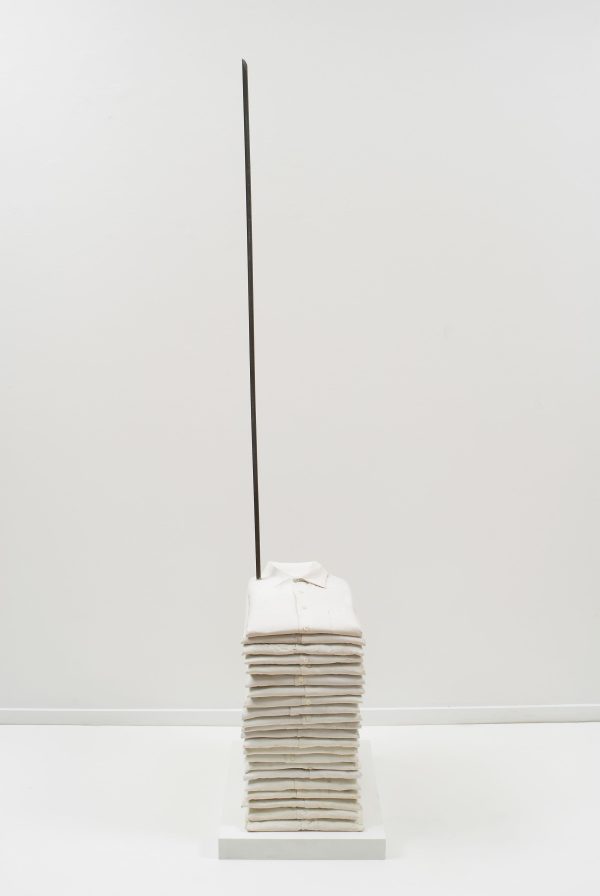
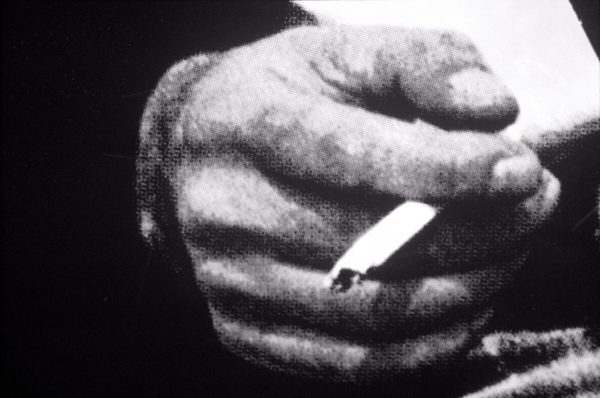
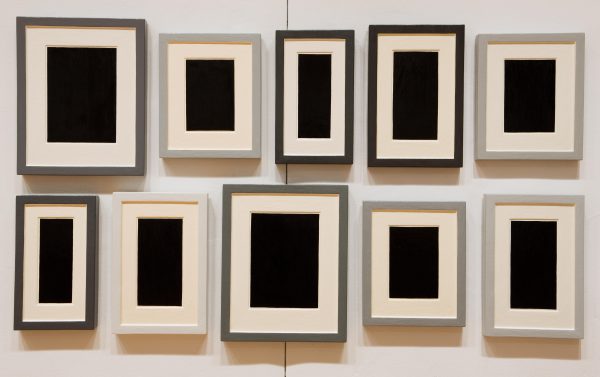
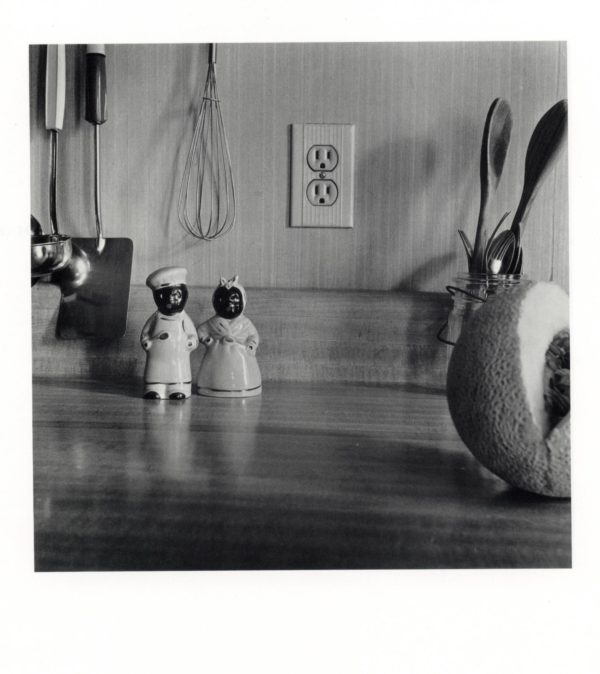
Artwork Images - Full Size Images
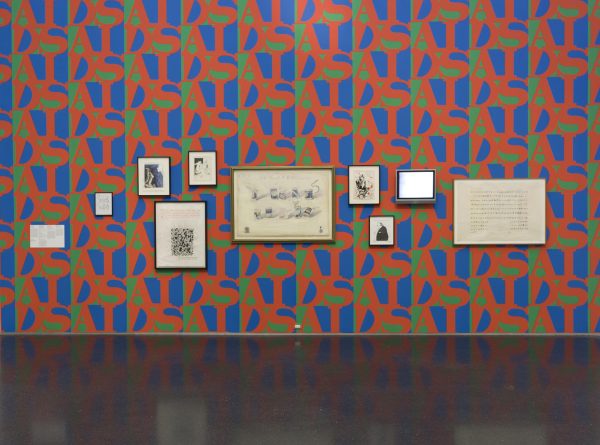
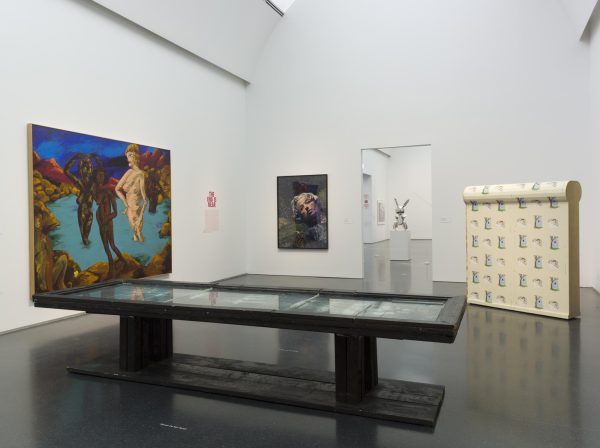
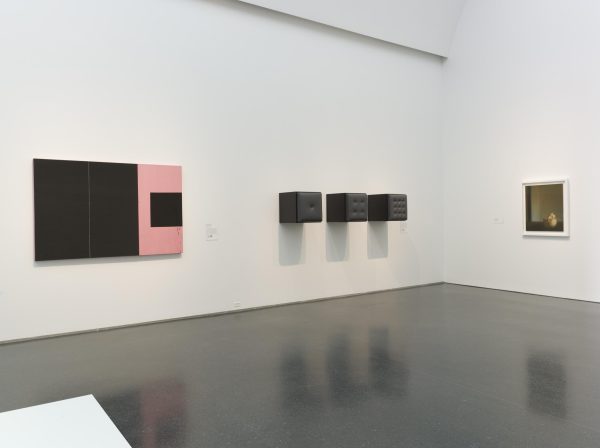
This Will Have Been: Art, Love & Politics in the 1980s covers the period from 1979 to 1992. During this era, the political sphere was dominated by the ideas of former US President Ronald Reagan and British Prime Minister Margaret Thatcher, the music scene was transformed by punk and the birth of hip-hop, and our everyday lives were radically altered by a host of technological developments, from the Sony Walkman and the ATM to the appearance of MTV and the first personal computers. In the United States, the decade opened with an enormous anti-nuclear protest in New York’s Central Park and closed with mass demonstrations against the government’s slow response to the AIDS crisis. This exhibition attempts to make sense of what happened to the visual arts in the United States during this tumultuous period.
The artists represented in This Will Have Been belong to the first generation of artists to grow up with a television in the home. They came of age in a culture saturated with images designed to promote desire—desire for objects, for lifestyles, for fame, for conformity, for anti-conformity. So too the majority of these artists lived through the heady days of the 1970s feminist movement and witnessed that broad-based social movement’s demands for equality in all areas of life—work, family, and intimate relationships. It became the task of the 1980s to assimilate these powerful social forces—the rise of television and movements for social justice—as they converged.
For many of the artists represented in this exhibition that meant grappling with complex questions: In a world increasingly filled with mass-media images, what is the role of the visual arts? How can artists make images that either compete with or counter the powerful images produced by advertising and Hollywood? In a society struggling for increased equality, how do historically marginalized people—women, people of color, and gays and lesbians—find their public voice? Toward the end of the decade, as the rise of HIV/AIDS created a growing political and medical crisis in the United States, these questions increased in urgency. This Will Have Been features a wide range of artworks, made by a diverse group of nearly one hundred artists, demonstrating the decade’s moments of contentious debate, raucous dialogue, erudite opinions, and joyful expression—all in the name of an expanded idea of freedom, long the promise of democratic societies.
This exhibition is organized by Helen Molesworth, Barbara Lee Chief Curator of the Institute of Contemporary Art/Boston.
Exhibition Sections
-
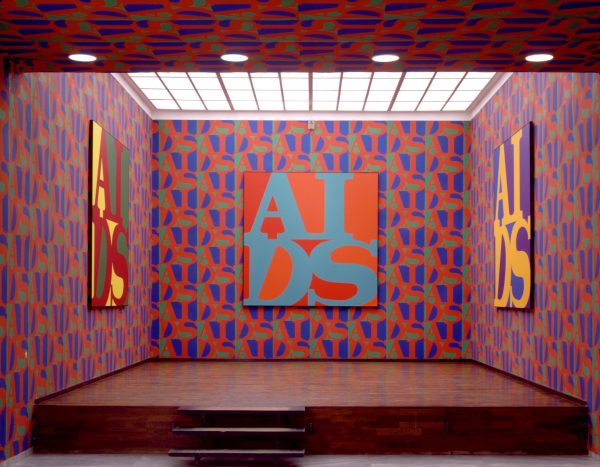
The idea of “the end” was pervasive in 1980s culture. Art magazines were filled with talk of the end of painting (what could this centuries-old medium tell us in our mass-media age?) and the end of the avant garde (the image of the artist as an “outsider” had begun to feel naive). The most hotly debated version of the end was the emergence of the term postmodernism. Postmodernism signaled the end of a belief in history as either monolithic or a set of objective facts and instead saw history as a narrative that always contains a distinct point of view. Meanwhile, the culture wars, which resulted from government attacks on art that explicitly addressed sexuality, were seen by many artists as an attempt to end the social and cultural advances of 1960s counterculture. In the early winter of 1989, the Berlin Wall was gleefully dismantled. With its collapse came the end of the Cold War between the United States and the Soviet Union and a realignment of power, culture, and finance on a global scale. New York (although it did not know it yet) was in the midst of being displaced as the center of the art world, as growing awareness of German art and the rise of Los Angeles as a major art center underscored the increasingly global character of contemporary art. Yet despite the 1980s’ various harbingers of “the end,” by the close of the decade, activists wearing T-shirts and buttons with the slogan “Silence = Death” made it clear that for thousands of Americans with AIDS, the end had already come.
-
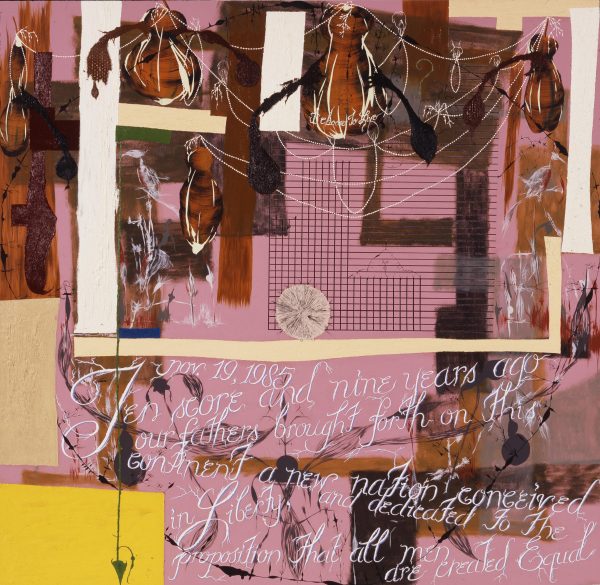
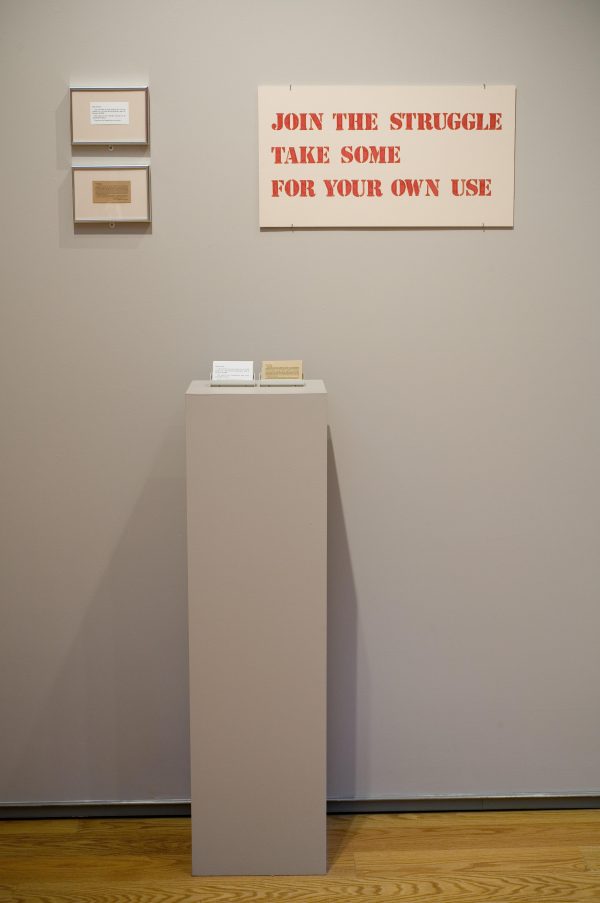
The art of the 1980s was shaped profoundly by an exploration of democracy. Although it is an ideal held sacred by many, democracy is also challenging, for at its core it asks us to respect and protect the rights of those we disagree with. For many artists, public spaces such as the street became arenas in which to facilitate encounters with art outside of the rarified space of the museum, and in this section we see artworks that use posters, graffiti, and everyday language to broadcast a social message as widely as possible. This interest in the public sphere was complicated by many artists’ observation that, increasingly, television was replacing the street or the public square as a primary site of democratic debate. Some artists grappled with the new role of the mass media in both political and artistic arenas. The issue of belonging—of who has rights to what, where, and when—lies at the heart of the democratic enterprise. Such issues were to be sorely tested in the 1980s along numerous fronts. Several artists whose work appears in this section made explicit use of immanent critique, a strategy, exemplified by the civil rights movement, that attempts to hold government responsible for remaining true to its highest principles. What all of the artists represented here shared was the belief that art can and should serve as a catalyst for philosophical and political debate.
-
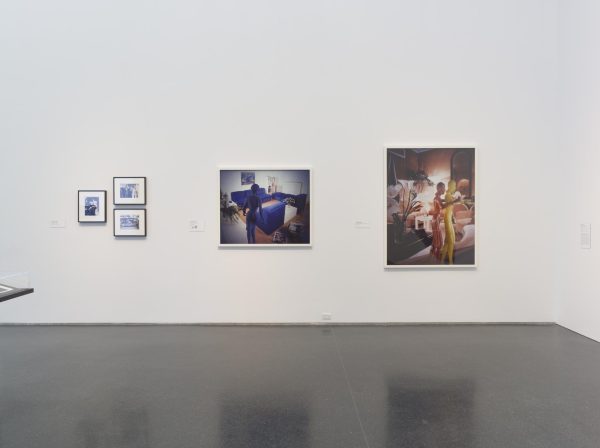
This section includes works that engage with the implications of the 1970s feminist movement, expanding our understanding of the social construction of gender roles. In the 1980s artists influenced by feminism began to challenge the category “woman,” arguing that it was too homogenous and instead positing that identity is equally inflected by race, sexuality, class, and other, more individual forms of difference. No longer satisfied with a biologically based explanation of the difference between the sexes, 1980s feminism asked: How do we come to find ourselves as gendered people in the world? What are the ramifications of that gendering for our ideas and desires? The idea of gender as a set of performances and poses developed in the 1980s, championed by Judith Butler (American, b. 1956) in her influential book Gender Trouble (1990). As artists explored this idea, they looked to the history of images, focusing specifically on photography, which is the basis of mass media, advertising, and pornography—all of which produce seemingly infinite images of women. Investigating the role such pictures played in the creation of gender, some artists sought to debunk images of masculinity as heroic and suffused with authority. Others explored the physicality of the body, its limits and frailty, side-stepping the problem of gender altogether and contemplating the increasing loss of life due to the AIDS crisis.
-
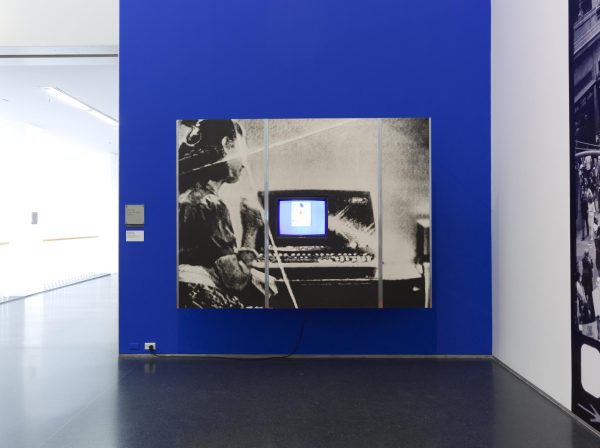
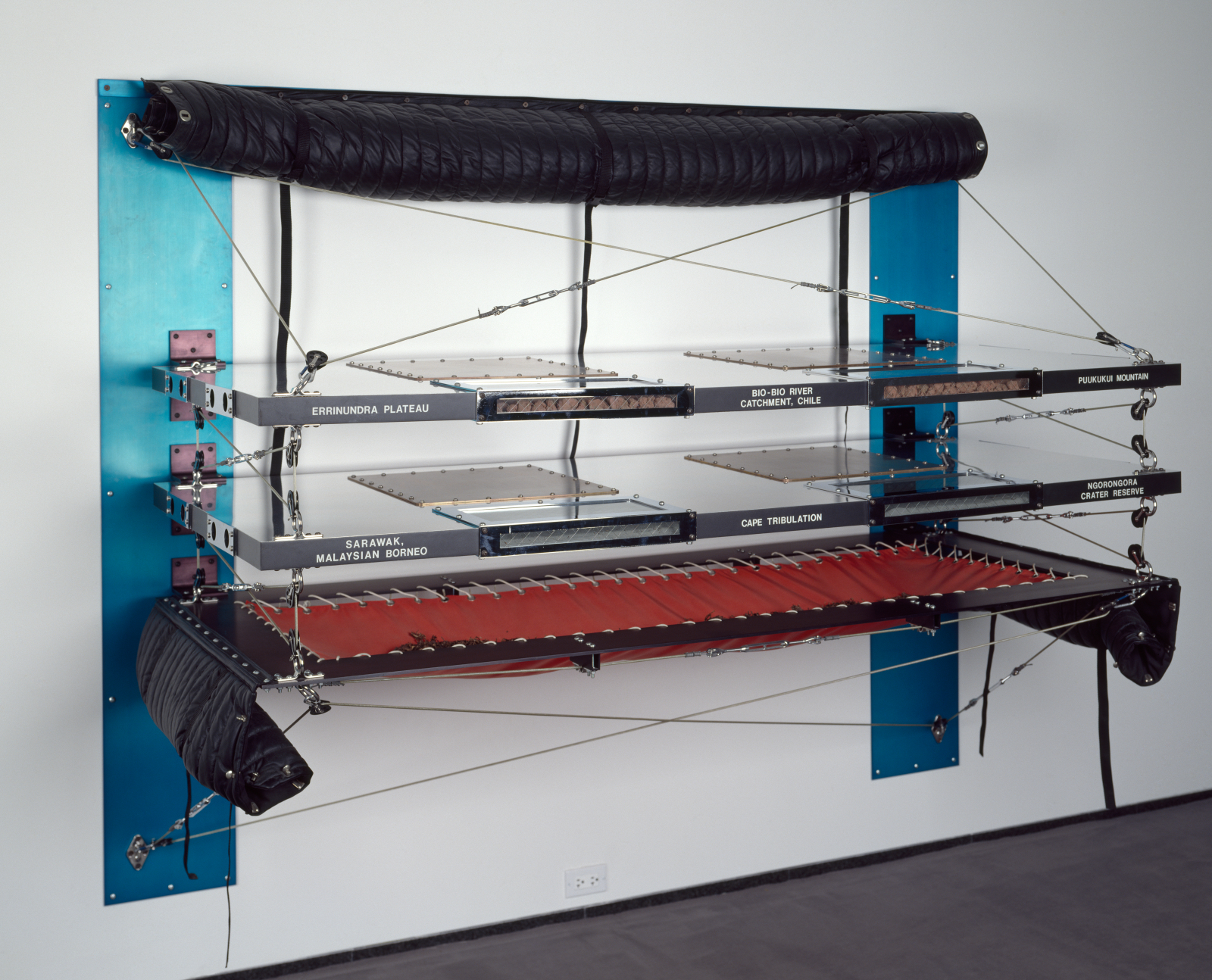
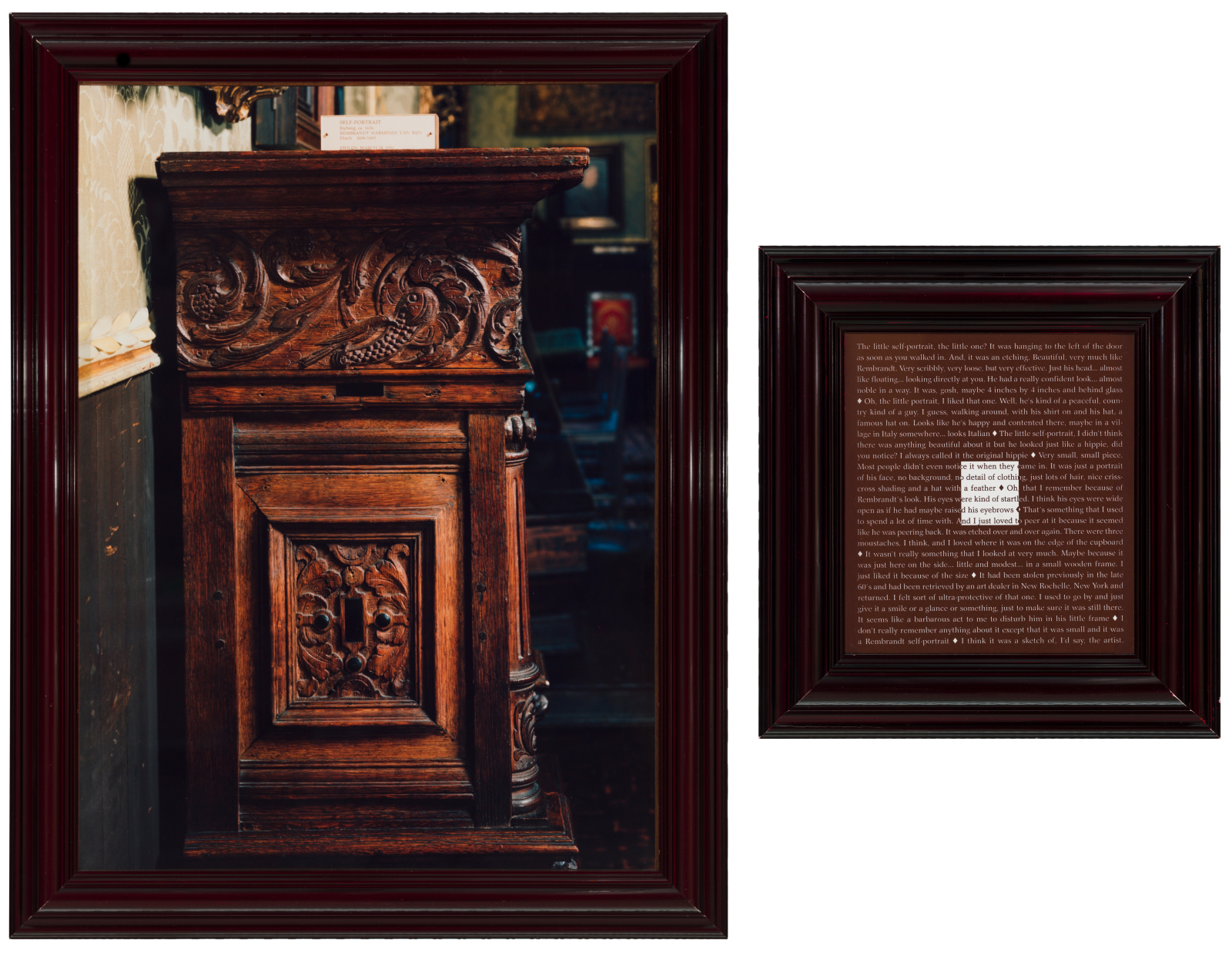
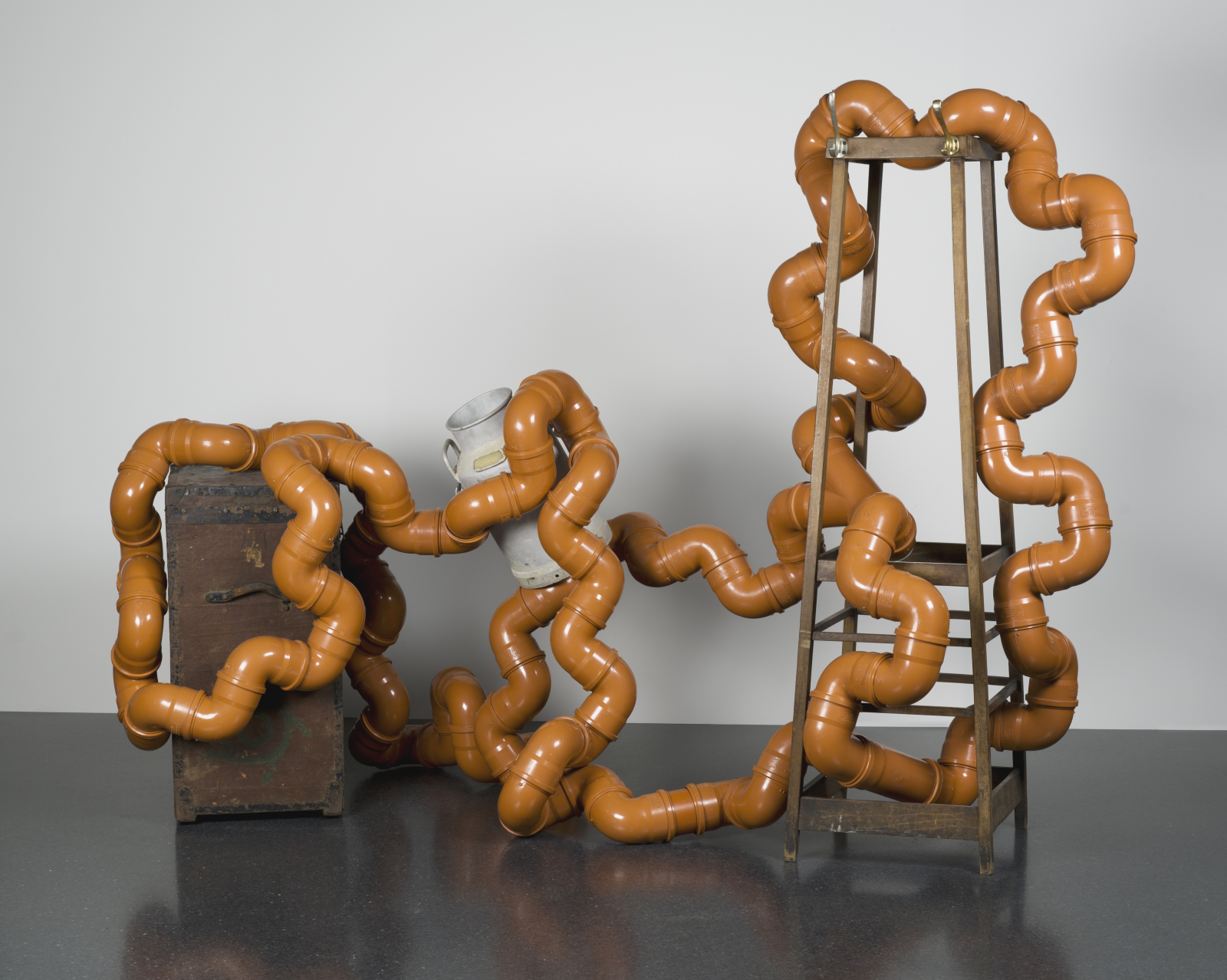
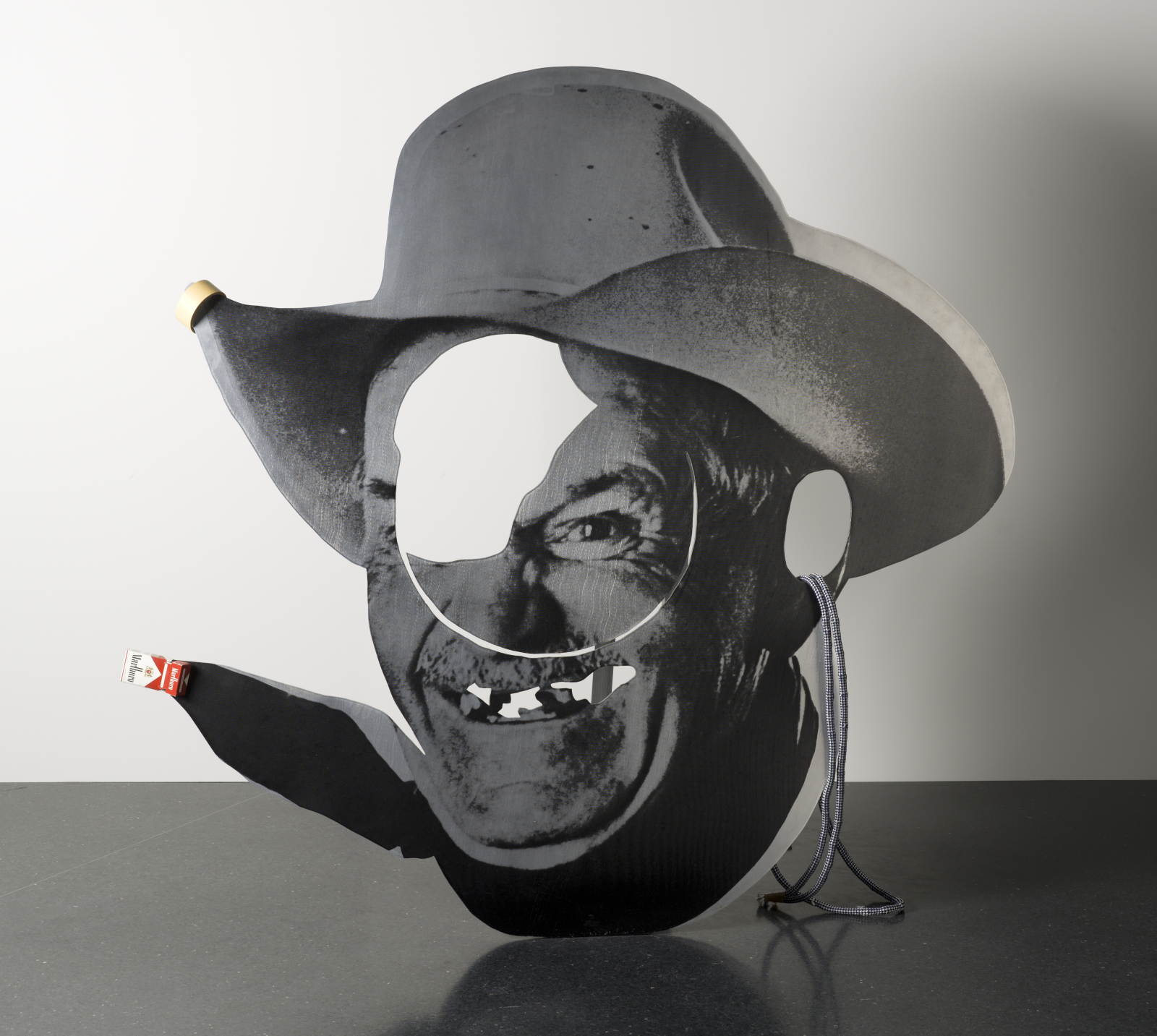
We live in a society saturated with mass-media images designed to fill us with desire. Artists during the 1980s were intrigued by the strength of such images. While some found them enthralling, others sought to dismantle them in order to critique the mass media’s relentless command to consume. Within this milieu, appropriation developed as a central artistic strategy of the 1980s, comprising various techniques such as re-photographing the work of others, using commodities or everyday objects in sculpture, and using photographs as the basis for paintings. By deploying the language of the mass media in a new context, artists hoped to both unmask and debunk the power of commodity objects and mass-media images. Ironically, in using such techniques, artists also exposed their own desires for uniqueness and individuality, Hollywood-style fame, artistic greatness, luxury goods, or sexual prowess, suggesting that such desires, however manufactured, are hard to resist.
The early 1980s witnessed a rise in the rhetoric of gay liberation, and artists produced increasingly explicit pictures of gay and lesbian desire for a culture almost exclusively devoid of images depicting the reality of gay life. By the end of the decade, as tens of thousands died of complications from AIDS in the United States, desire gave way to the fear and rage that fueled the activist group ACT UP (AIDS Coalition to Unleash Power), and a deep sense of longing—for days past, for loved ones gone, for a more just social fabric, and for a time before the AIDS crisis began.
MCA in the 1980s
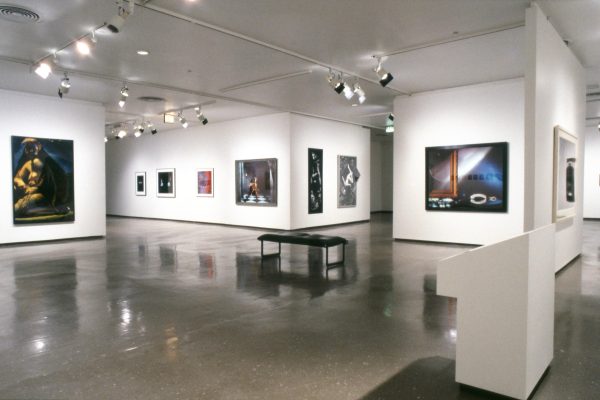
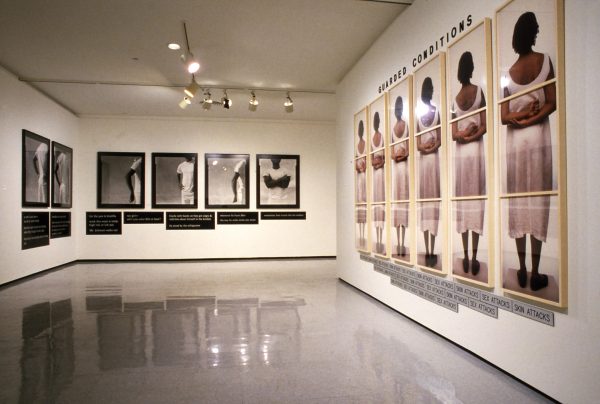
In conjunction with the exhibition, a display of photographs, publications, and exhibition materials (brochures, opening announcements, press clippings and releases, and so on) traces MCA Chicago’s history from 1979 to 1992, the same period explored in This Will Have Been: Art, Love & Politics in the 1980s. This was a vibrant period for the MCA, during which the museum showcased not only the work of major artists of the decade but also the work of younger artists who would go on to become influential. Artworks by many of these figures, whether stars of the 1980s or artists who now seem equally important, appear in This Will Have Been.
The year 1979 marked the MCA’s 12th year. At the time, the museum was located at 237 East Ontario Street, housed in a much smaller building than the one in which you stand. The preceding decade had been transitional, progressing from the most exciting expressions of the avant garde—with installations by Dan Flavin, Christo, and Gordon Matta-Clark, among others—to a “pluralism” that saw increased activity by women artists as well as artists who used video and other emerging media and who explored issues of personal identity.
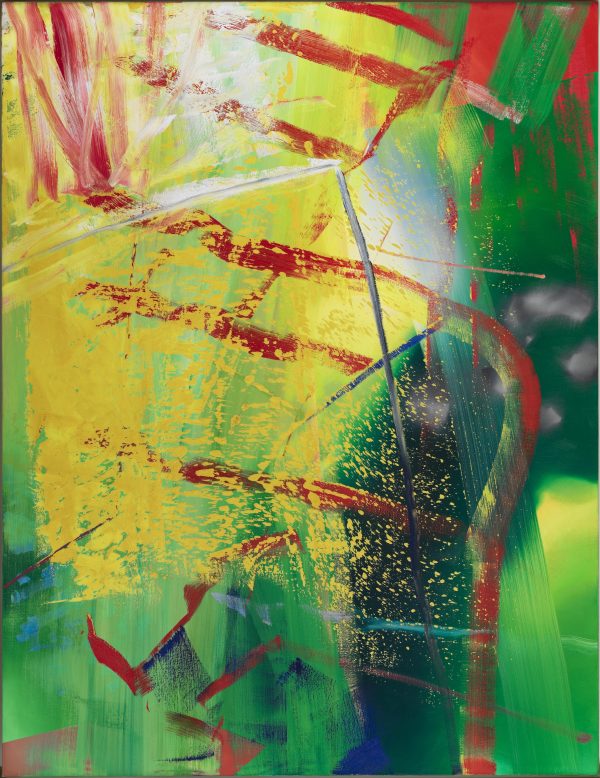
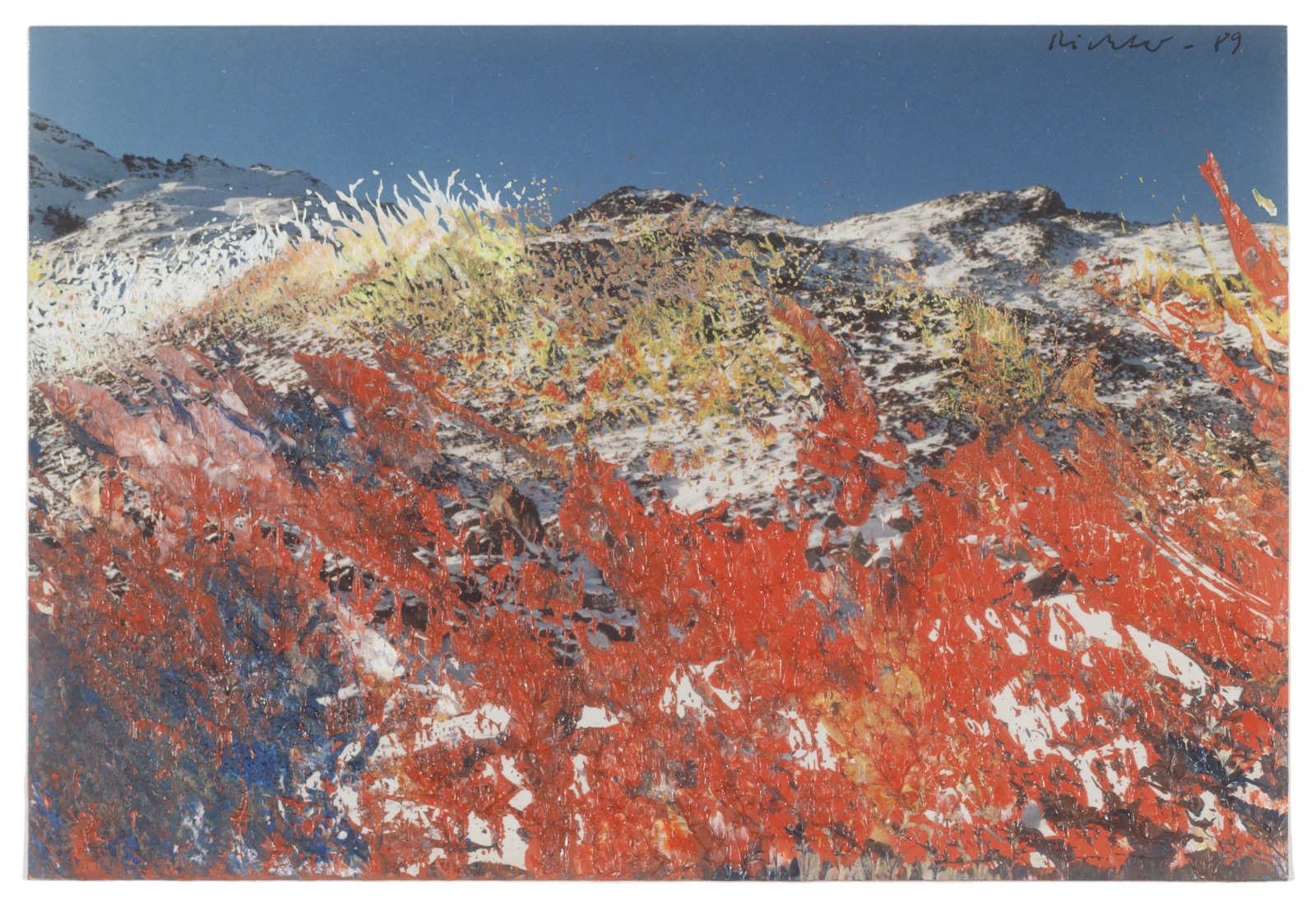
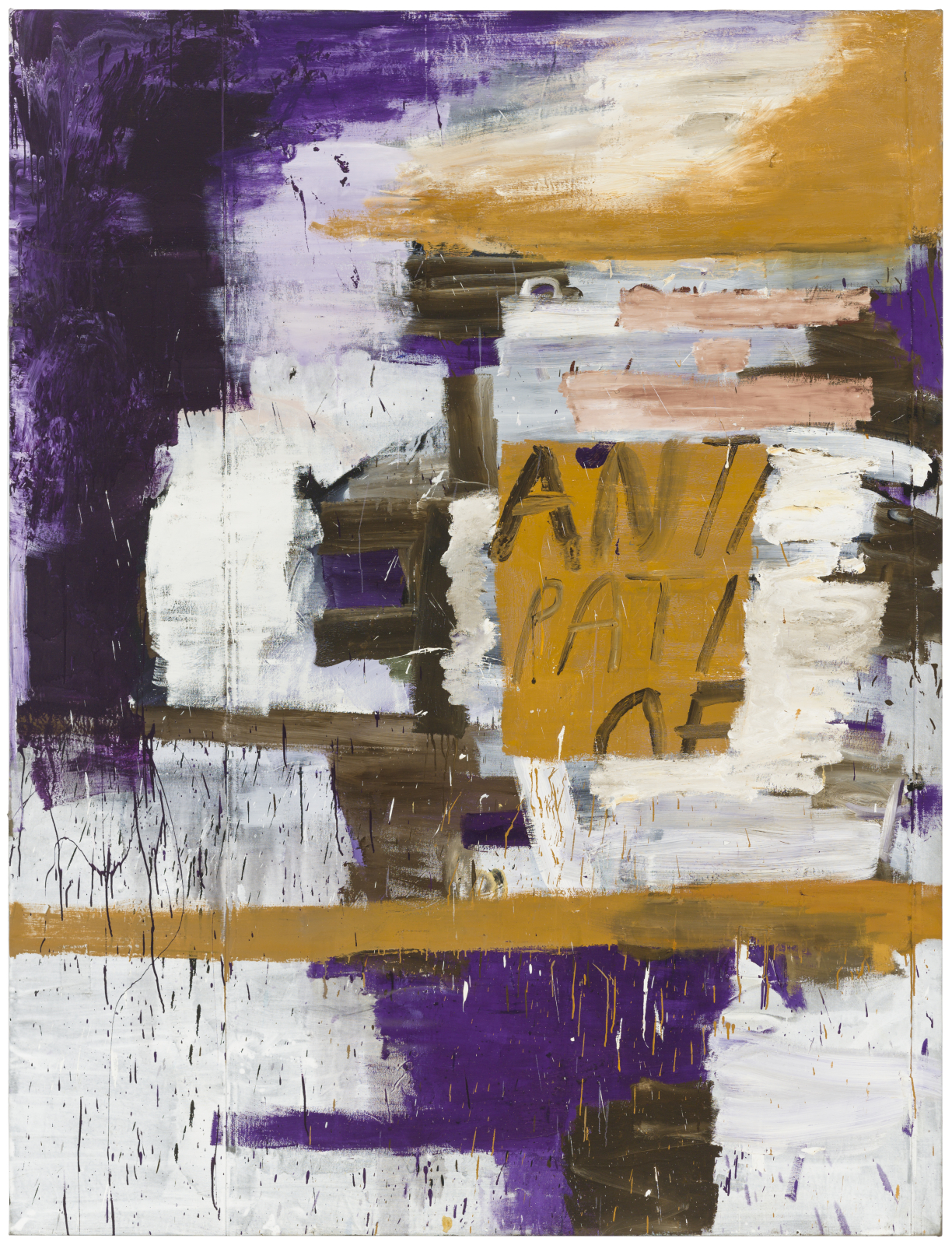
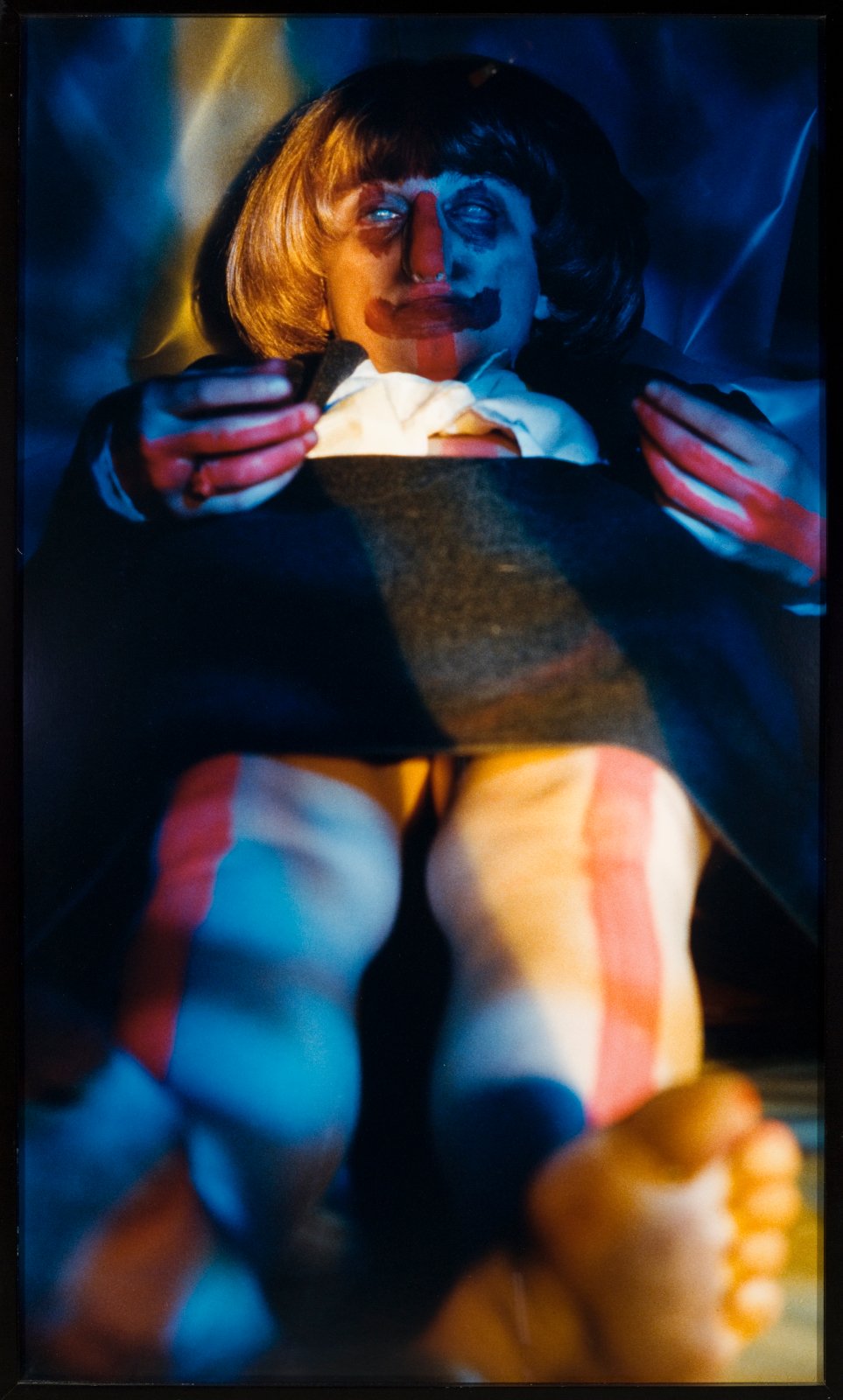
In contrast to the activity of the 1970s, which saw artists exploring a wide variety of styles and media, the art presented at the MCA in the 1980s seemed sharply focused. Painting—done largely by men such as Gerhard Richter, Julian Schnabel, David Salle—and “pictures” (photographs)—done mostly by women such as Cindy Sherman and Barbara Kruger—dominated the exhibition schedule. Yet the MCA also cast a wider net, mounting significant exhibitions of sculpture as it emerged from the domination of Minimalism, including solo presentations by Jannis Kounellis and Jeff Koons and group exhibitions featuring artists such as Franz Erhard Walther.
The MCA also presented important collaborative and media-driven art that responded to the social and political realities of the era, particularly gay rights, women’s rights, and the AIDS epidemic. The museum featured projects by artists as diverse as Alfredo Jaar, Keith Haring, Robert Mapplethorpe, Betye and Alison Saar, and Lorna Simpson , and presented performances by Marina Abramovic and Ulay and the collaborative Disband, among many others.
This presentation is organized by MCA Curator Lynne Warren and Curatorial Assistant Karsten Lund.
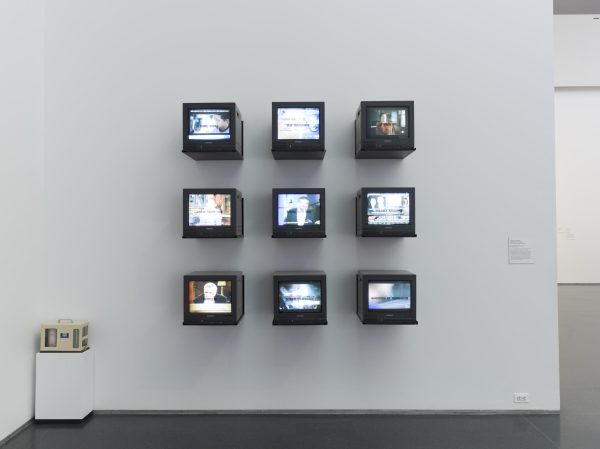
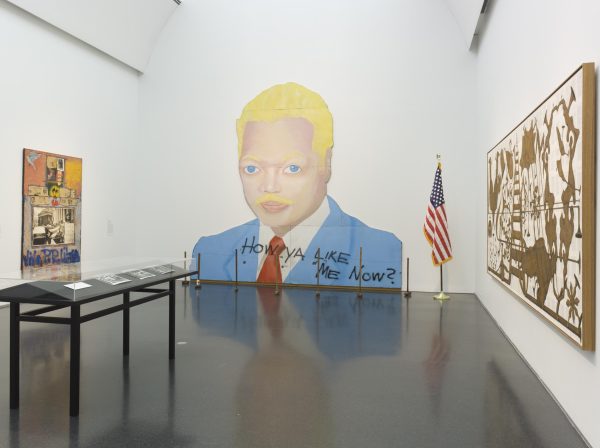
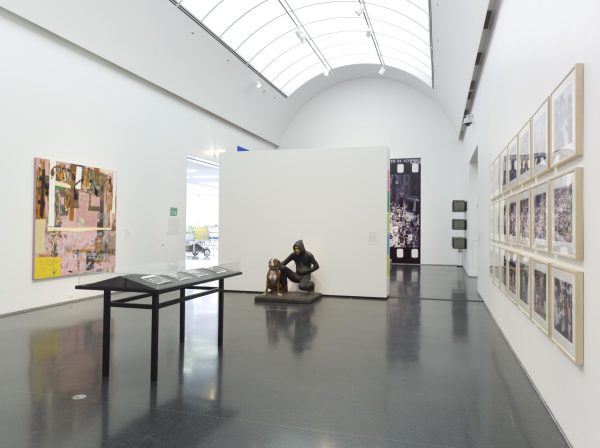
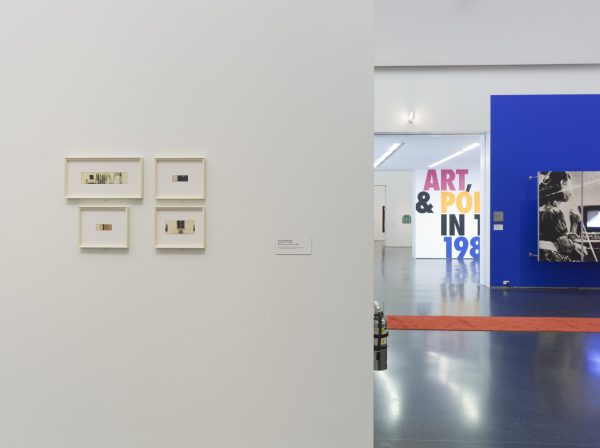
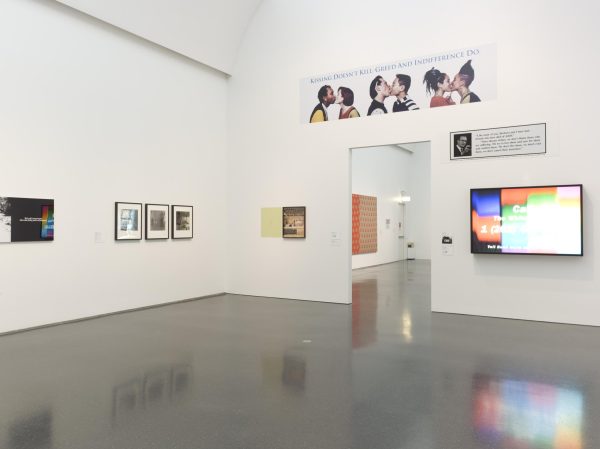
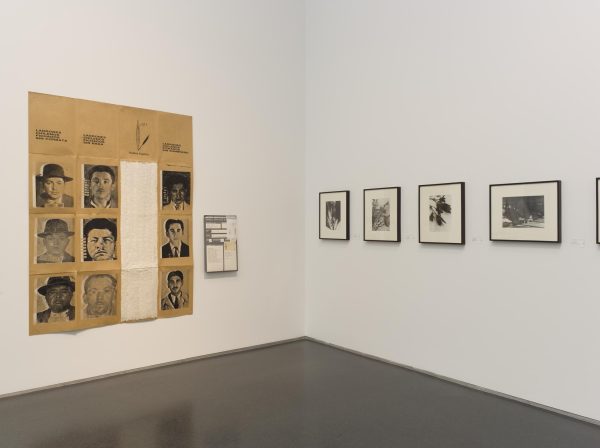
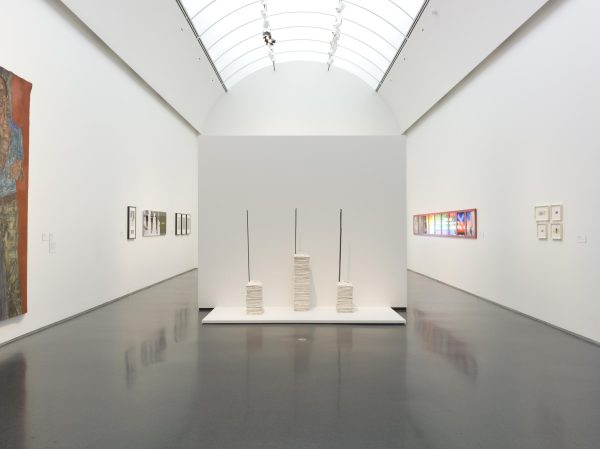
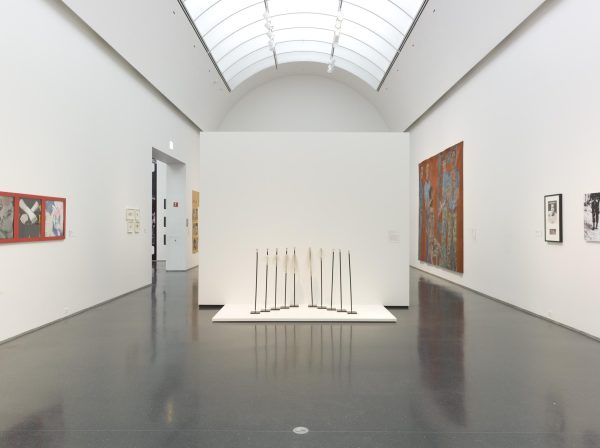
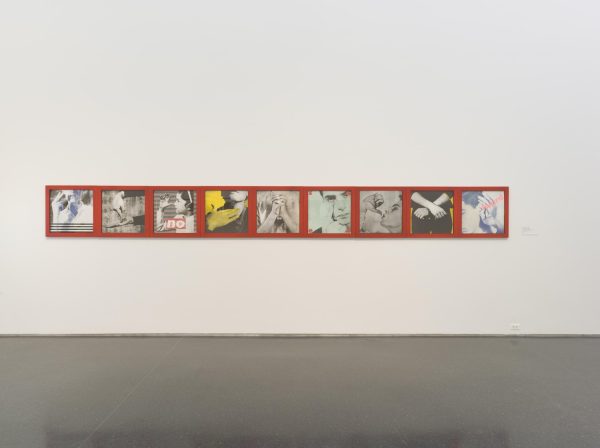
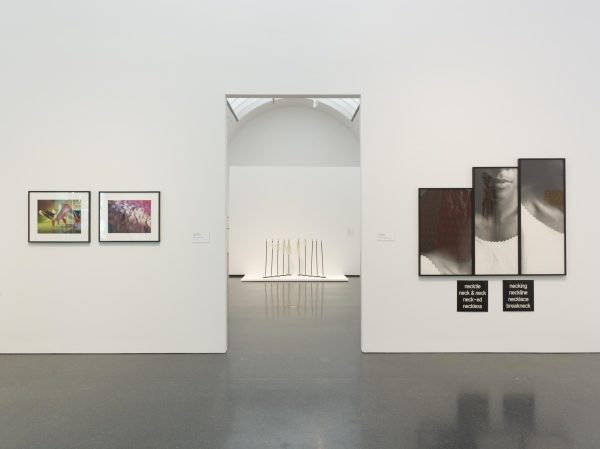
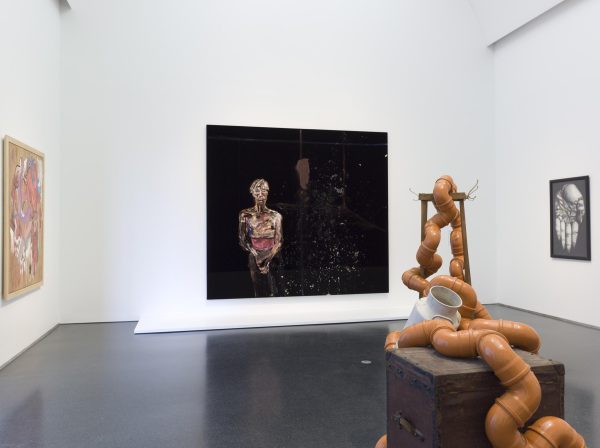
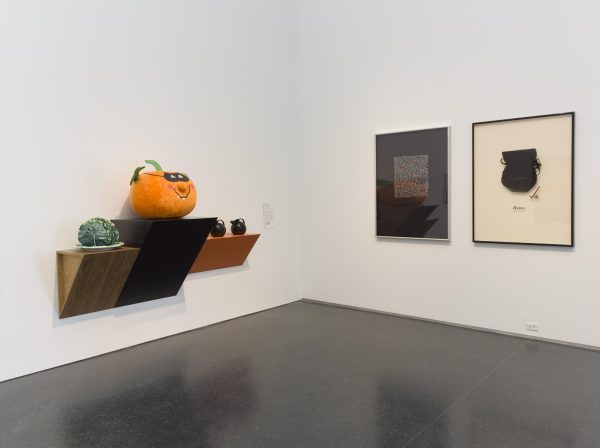
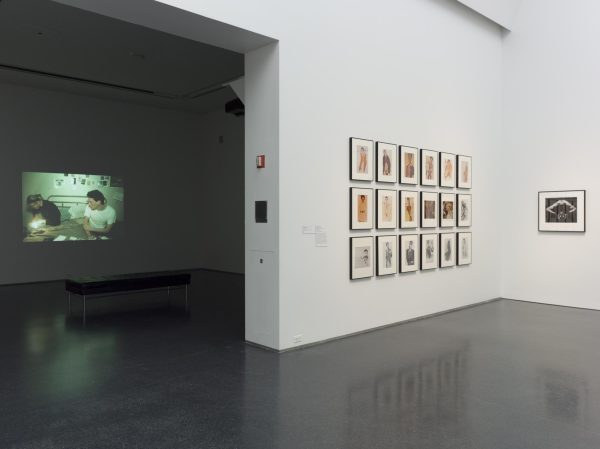
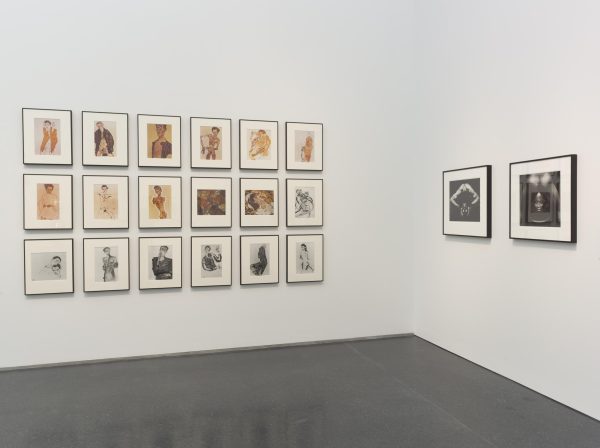
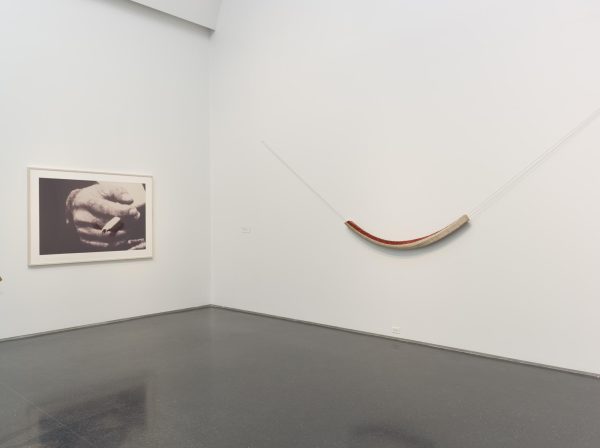
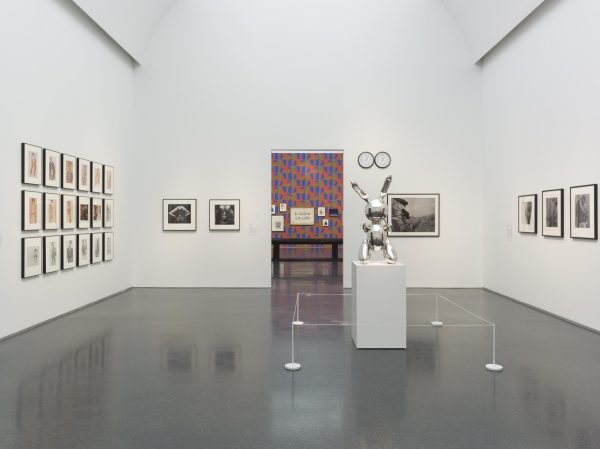
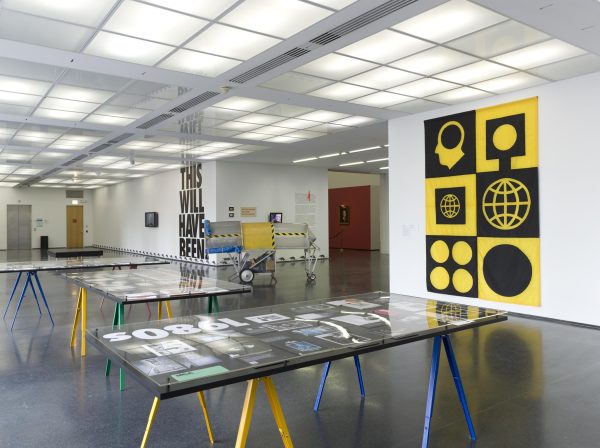
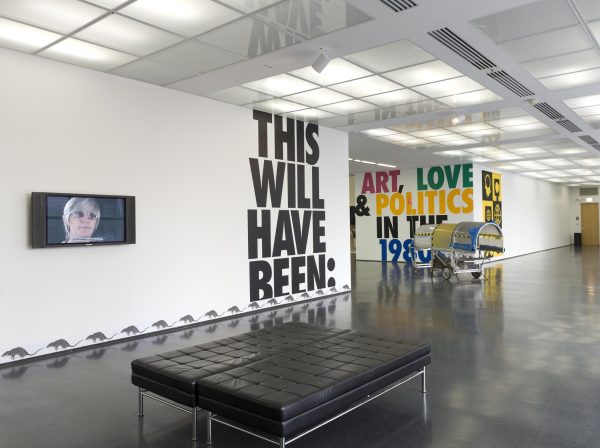
Carousel: Installation Views - Full Size Images
Featured Artists
-
John Ahearn
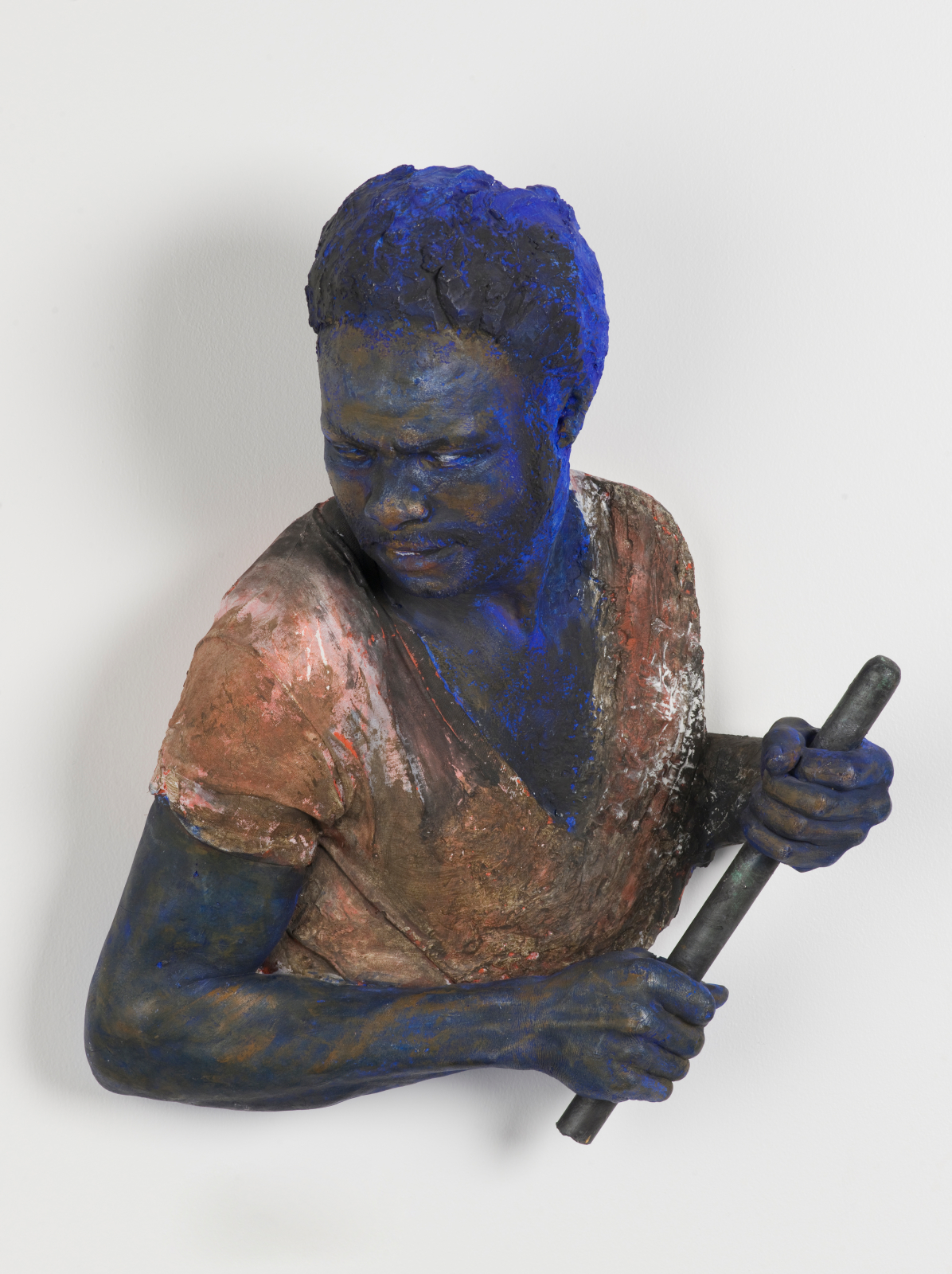
-
Jean Michel Basquiat
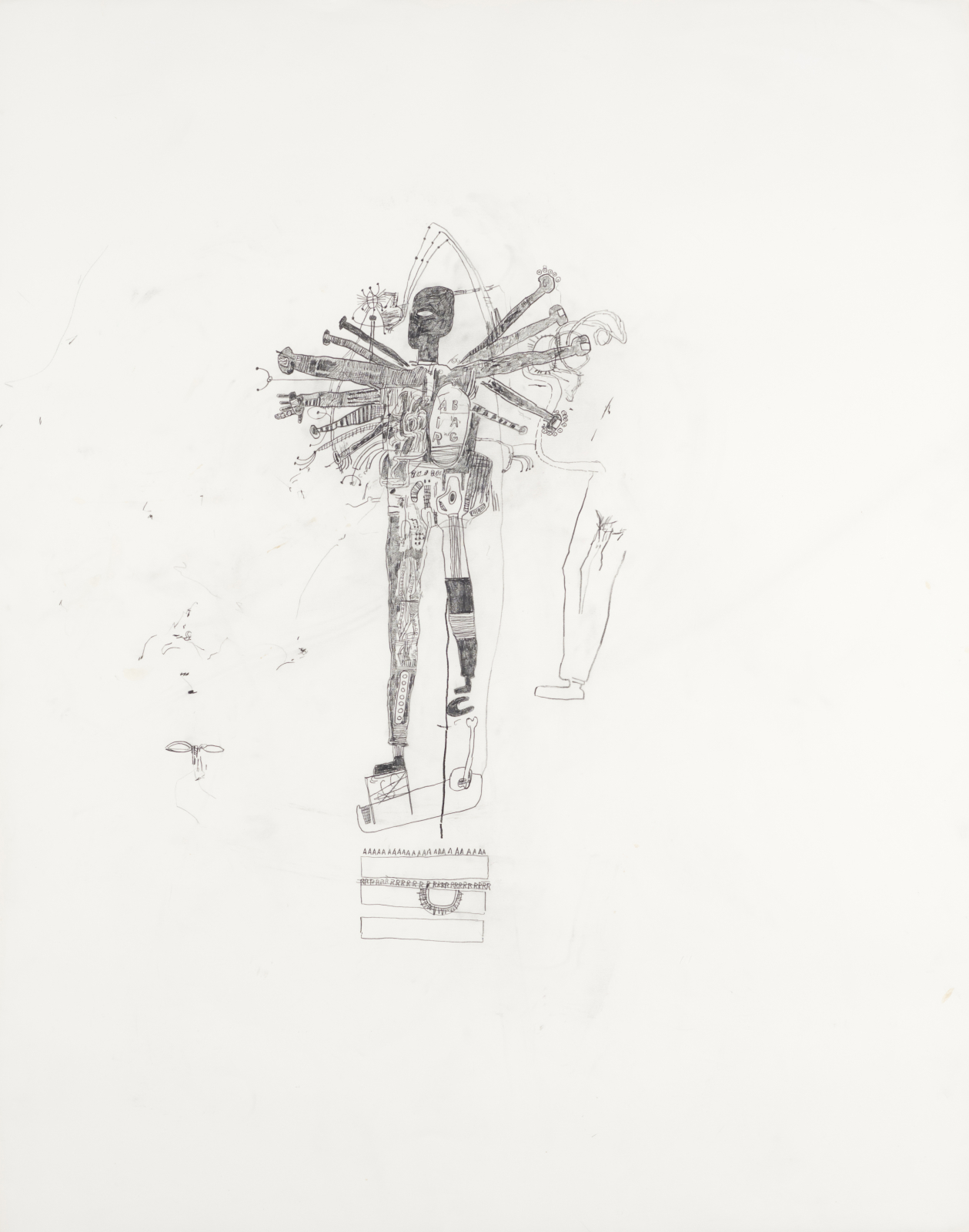
-
Ashley Bickerton
-
Dara Birnbaum
-
Jennifer Bolande
-
Sophie Calle
-
Tony Cragg
-
Jimmy DeSana
-
Eugenio Dittborn
-
Marlene Dumas
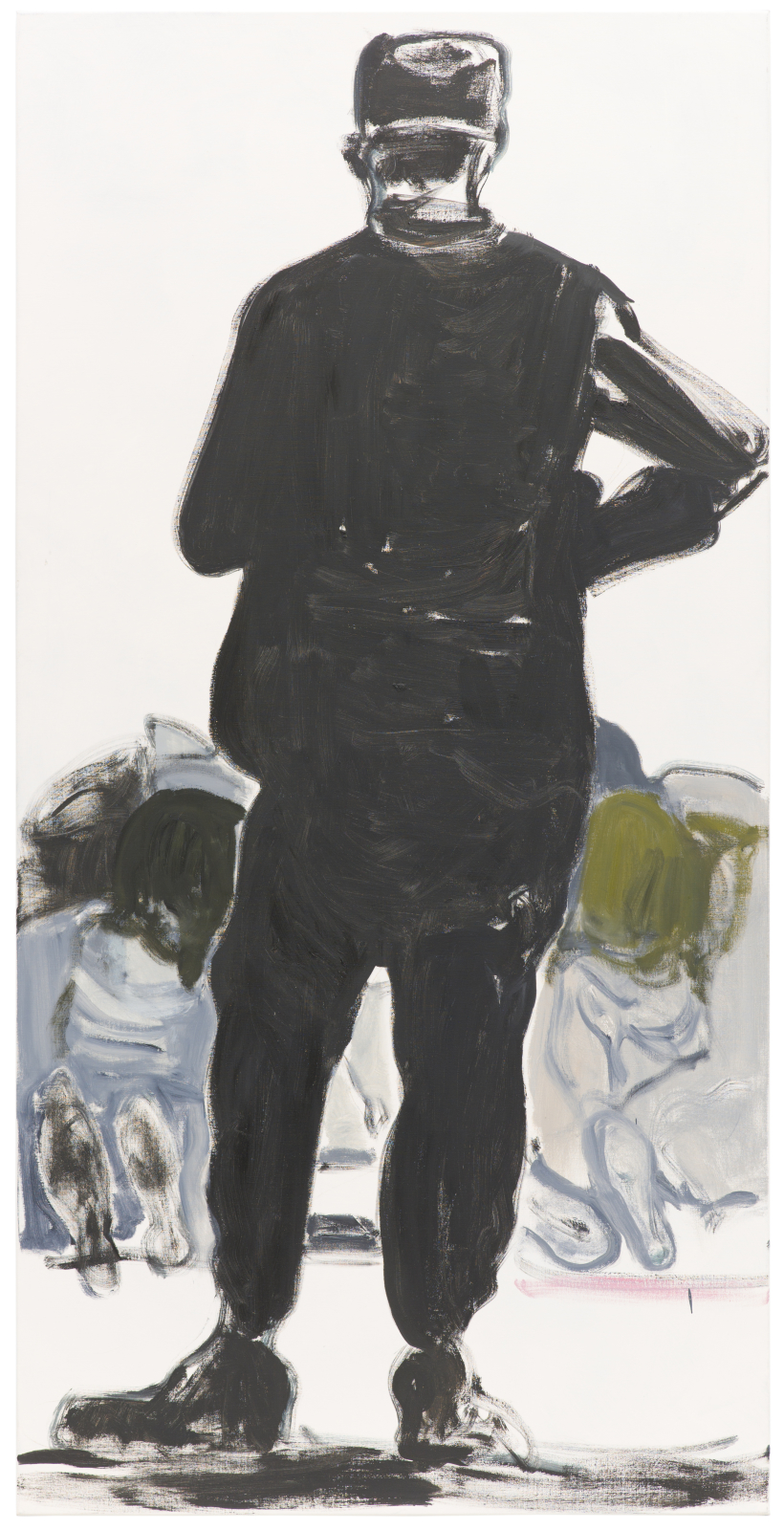
-
Carroll Dunham
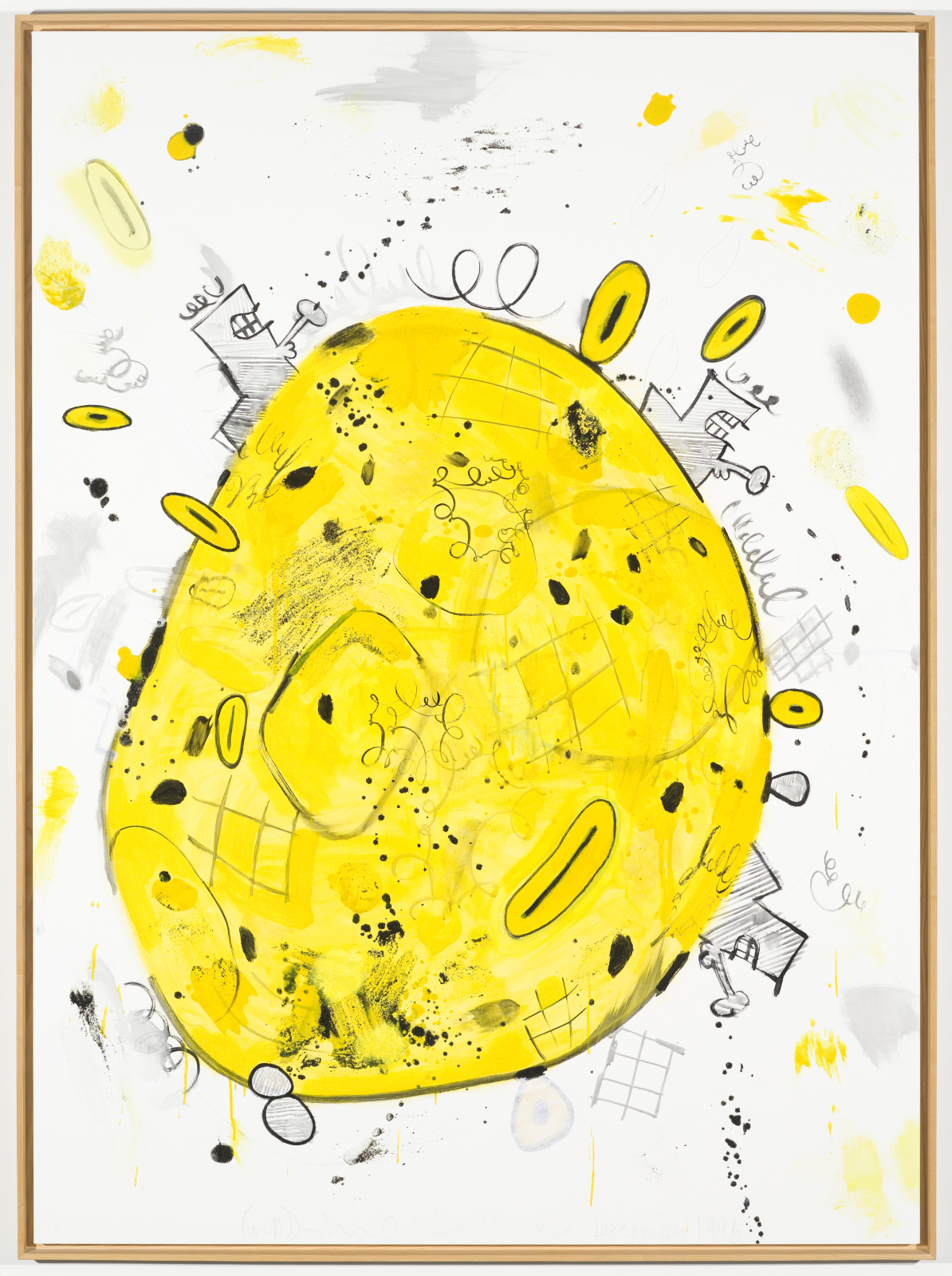
-
Jimmie Durham
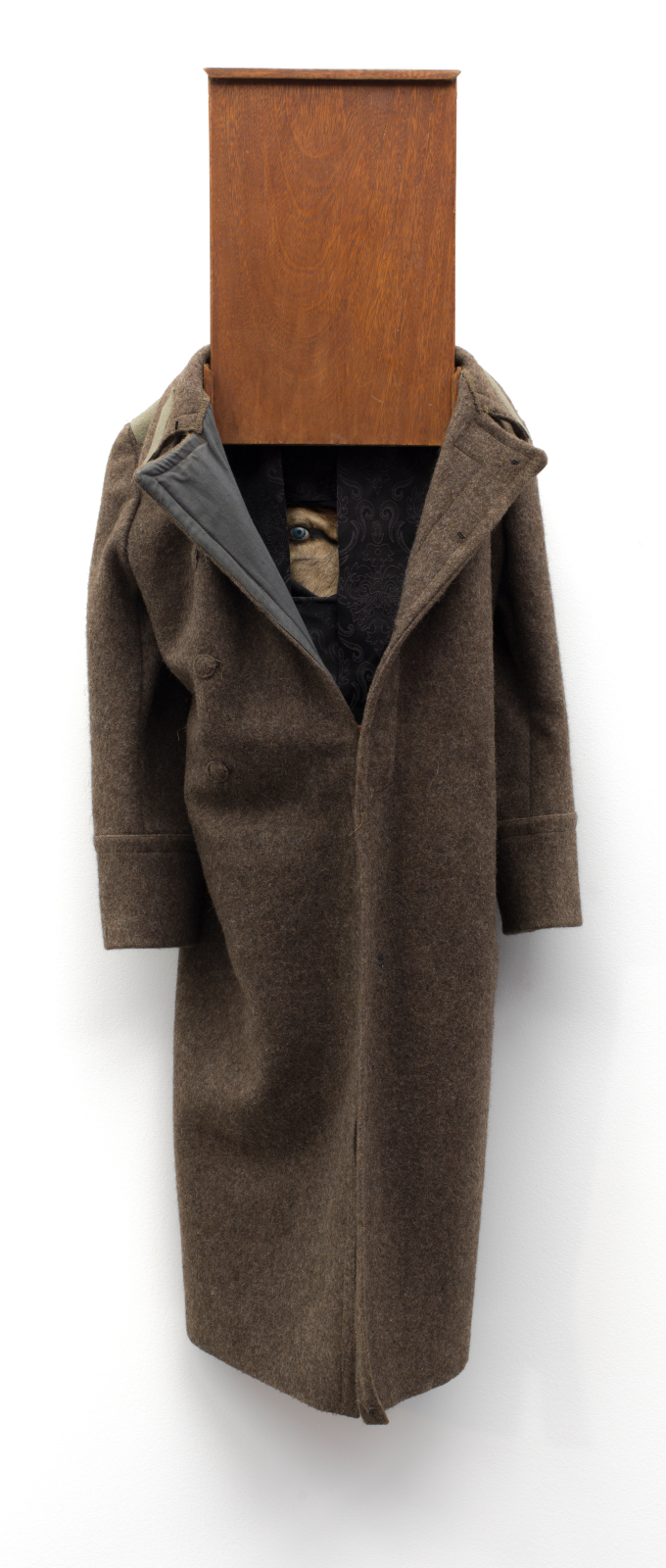
-
Eric Fischl
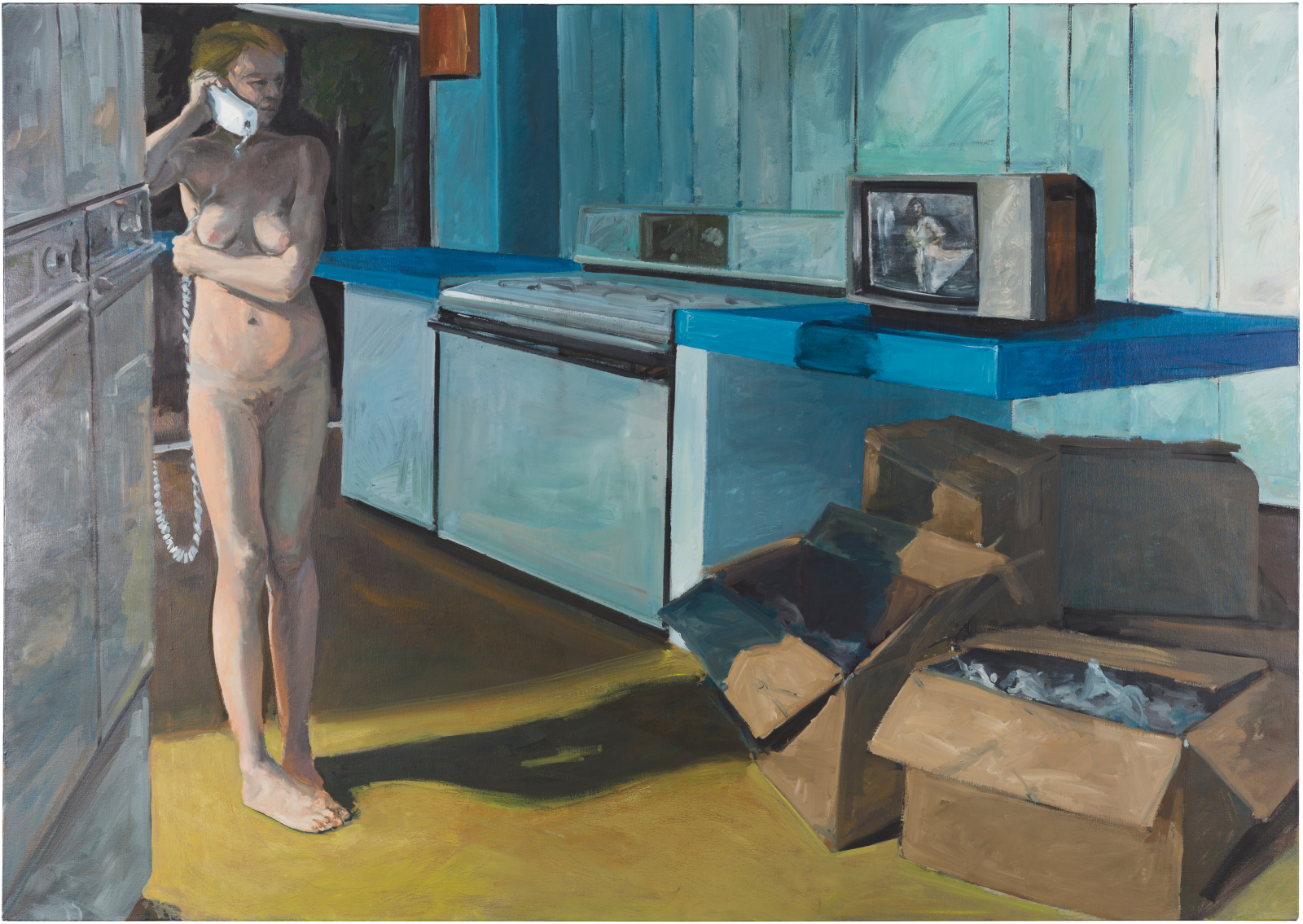
-
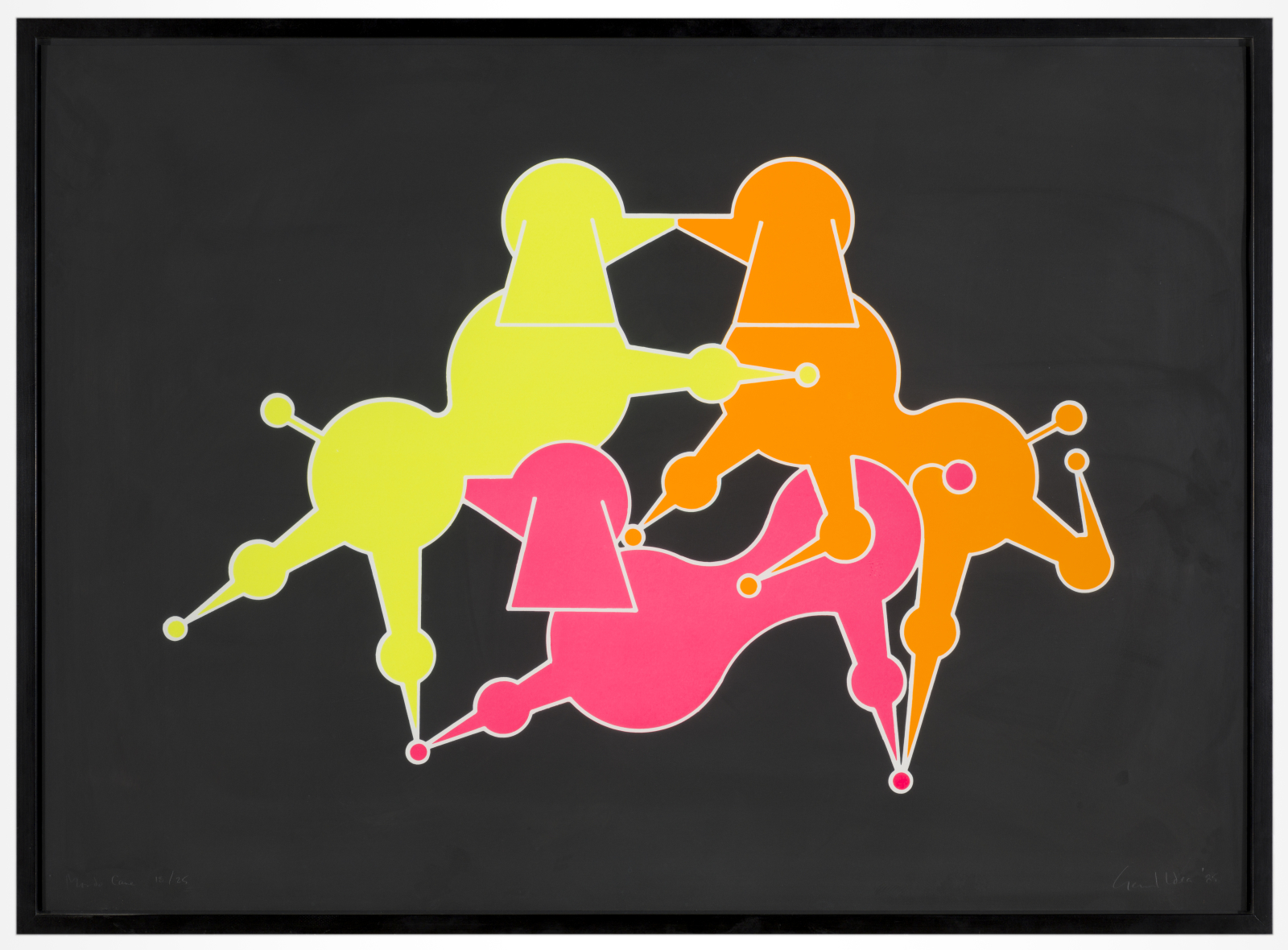
General Idea
-
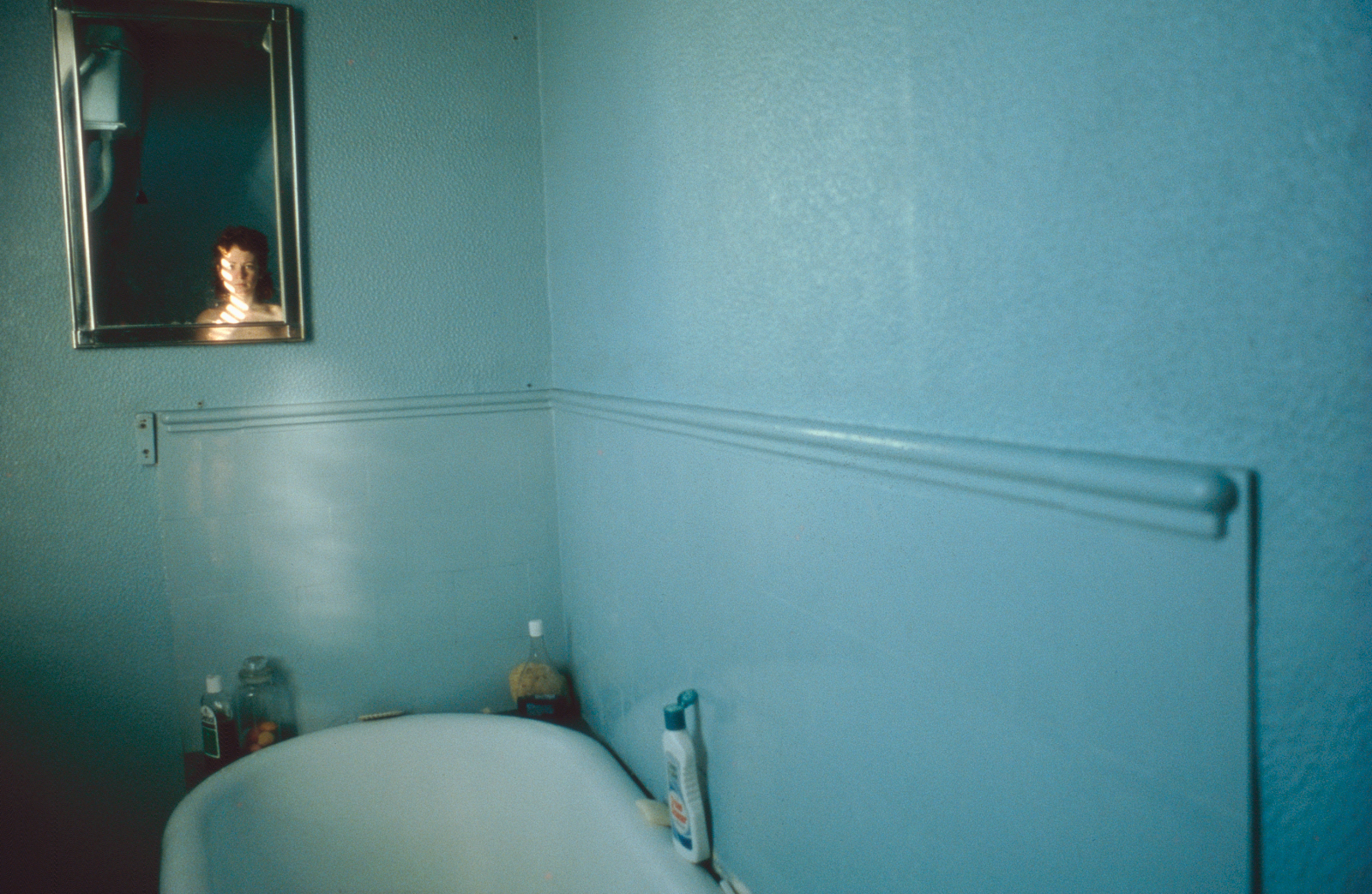
Nan Goldin
-
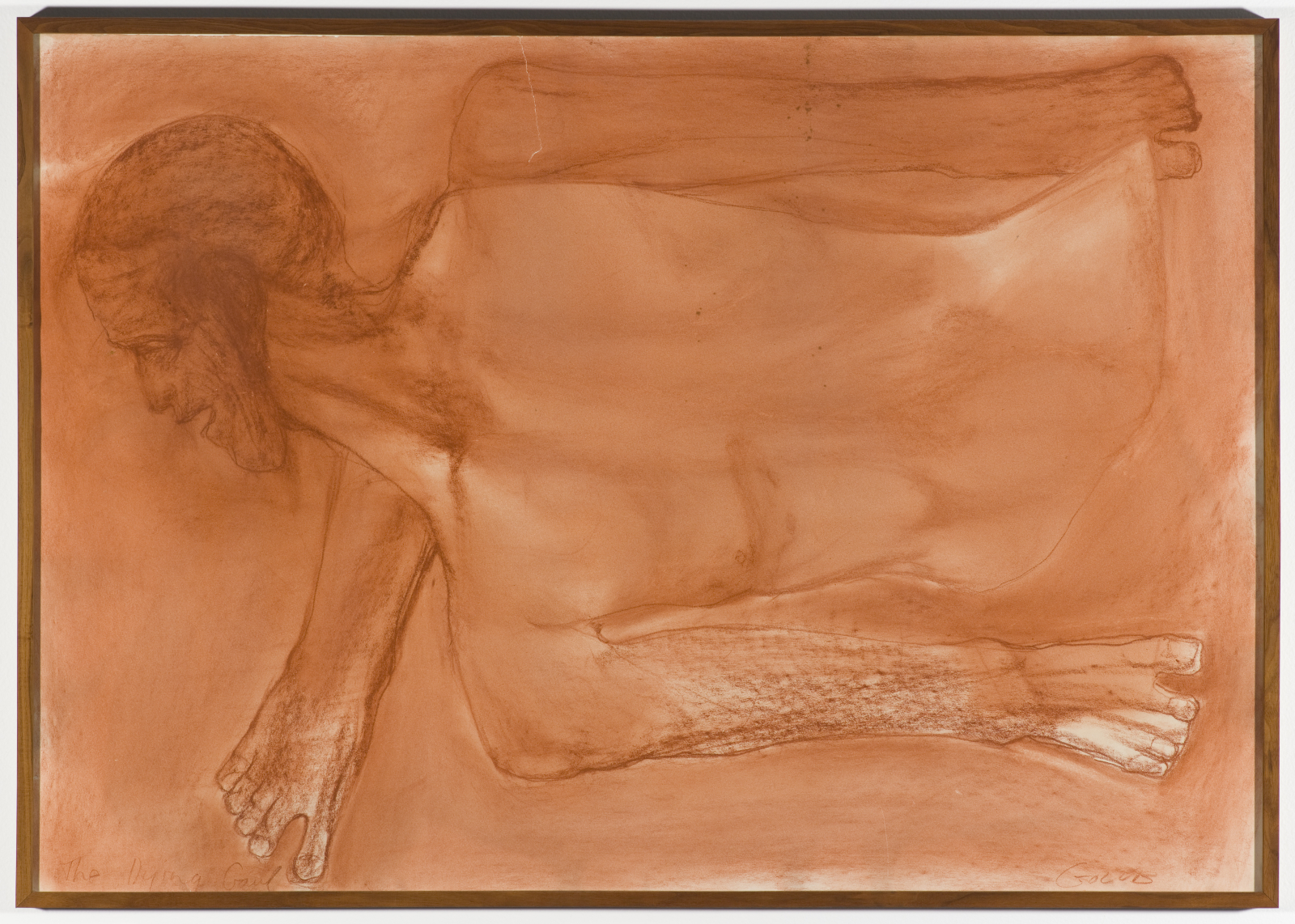
Leon Golub
-
Felix Gonzalez-Torres

-
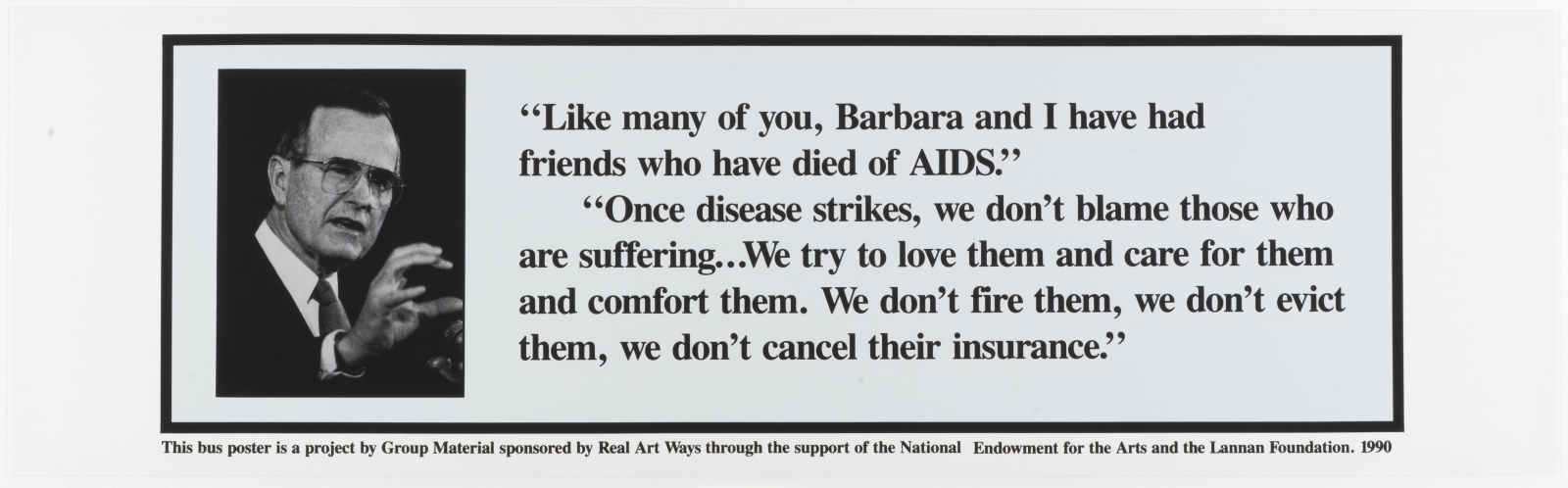
Group Material
-
Hans Haacke
-
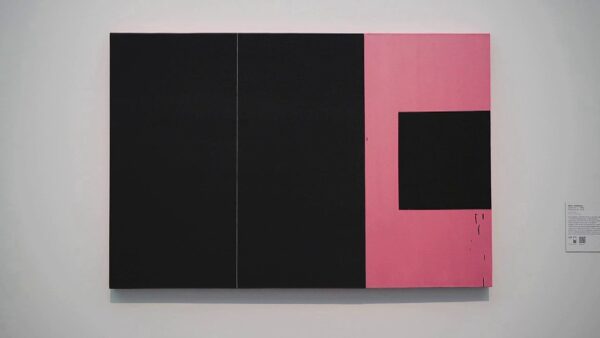
Peter Halley
-
David Hammons
-
Mary Heilmann
-
Jenny Holzer
-
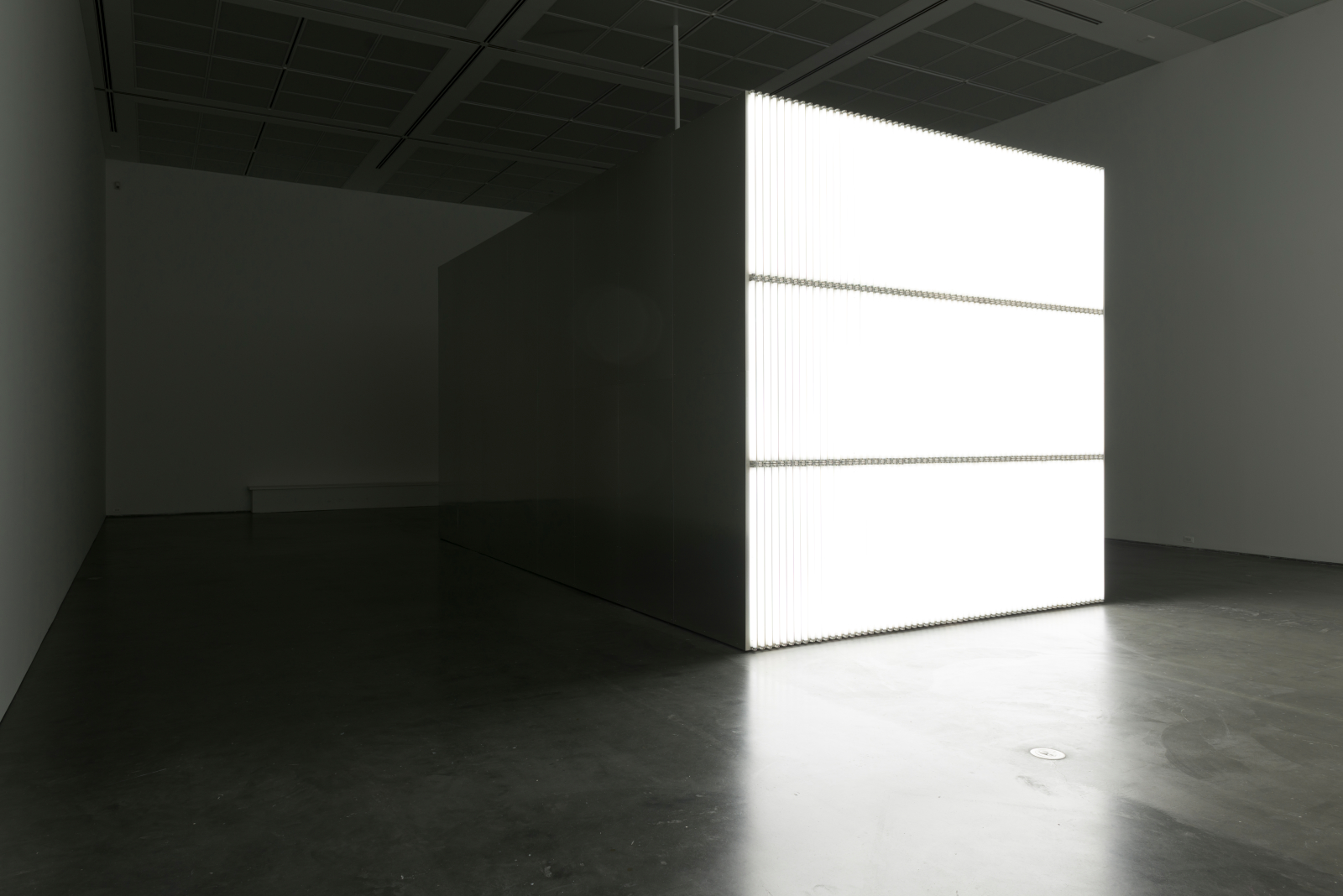
Alfredo Jaar
-
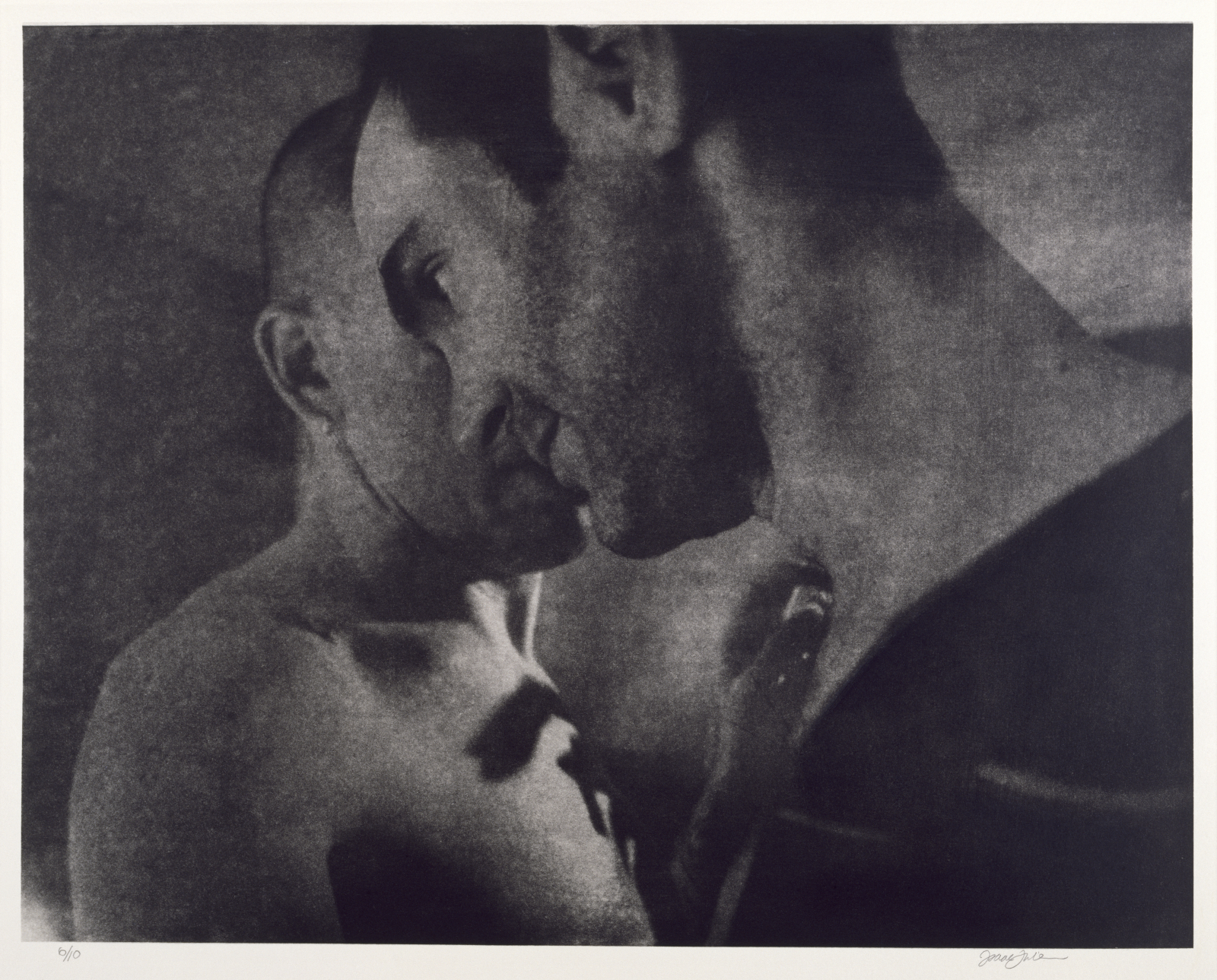
Isaac Julien
-
Mike Kelley
-
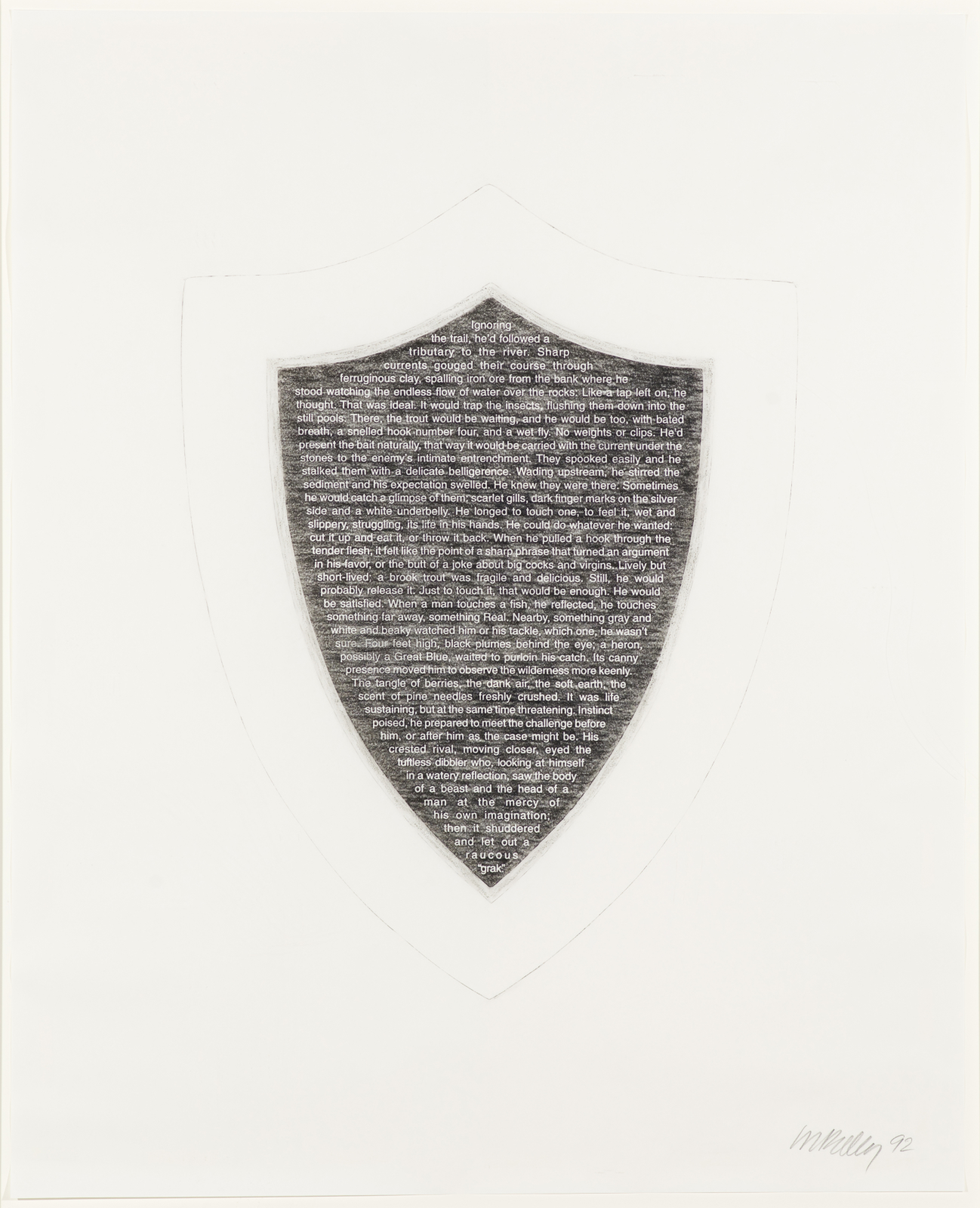
Mary Kelly
-
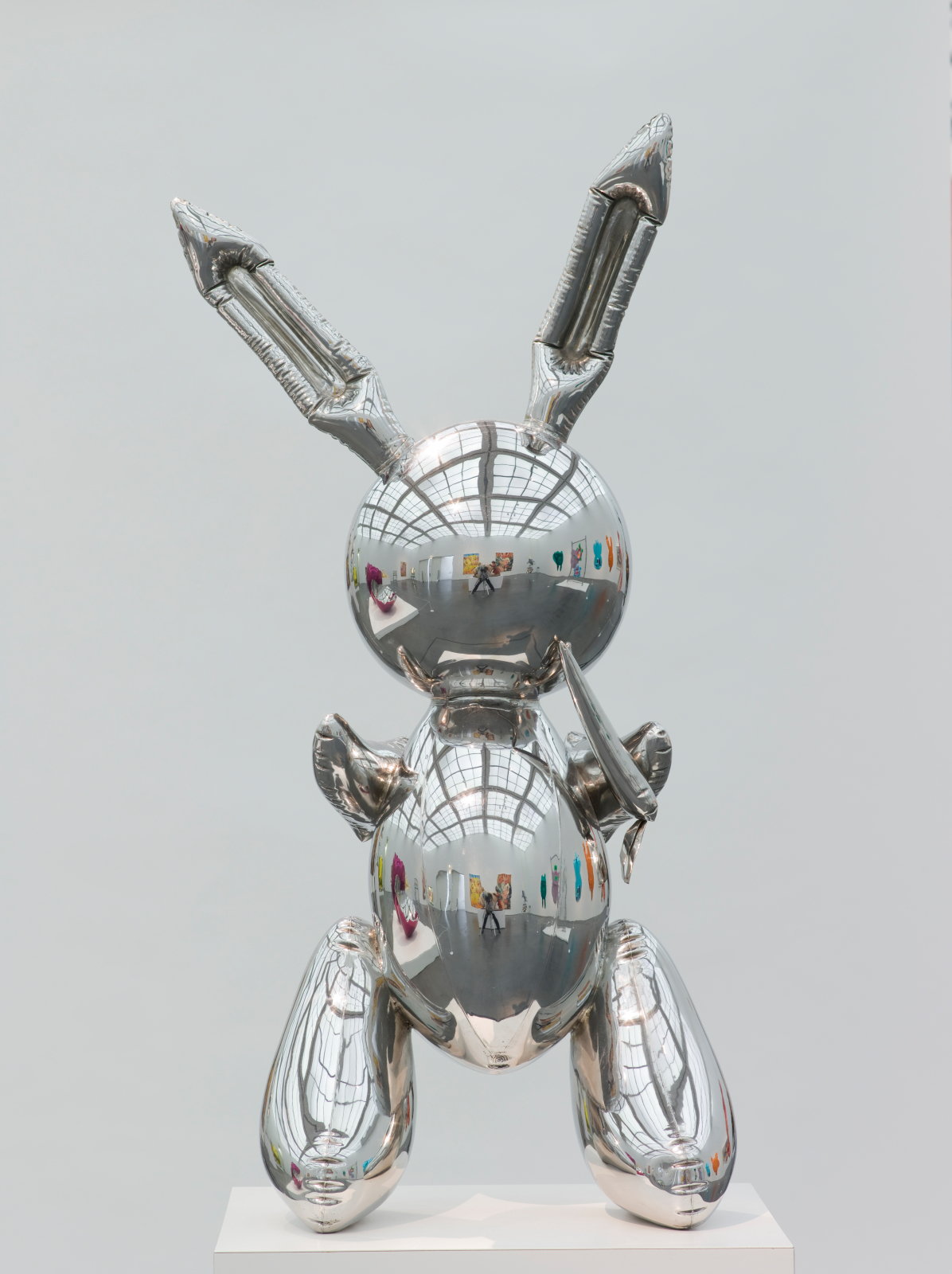
Jeff Koons
-
Barbara Kruger
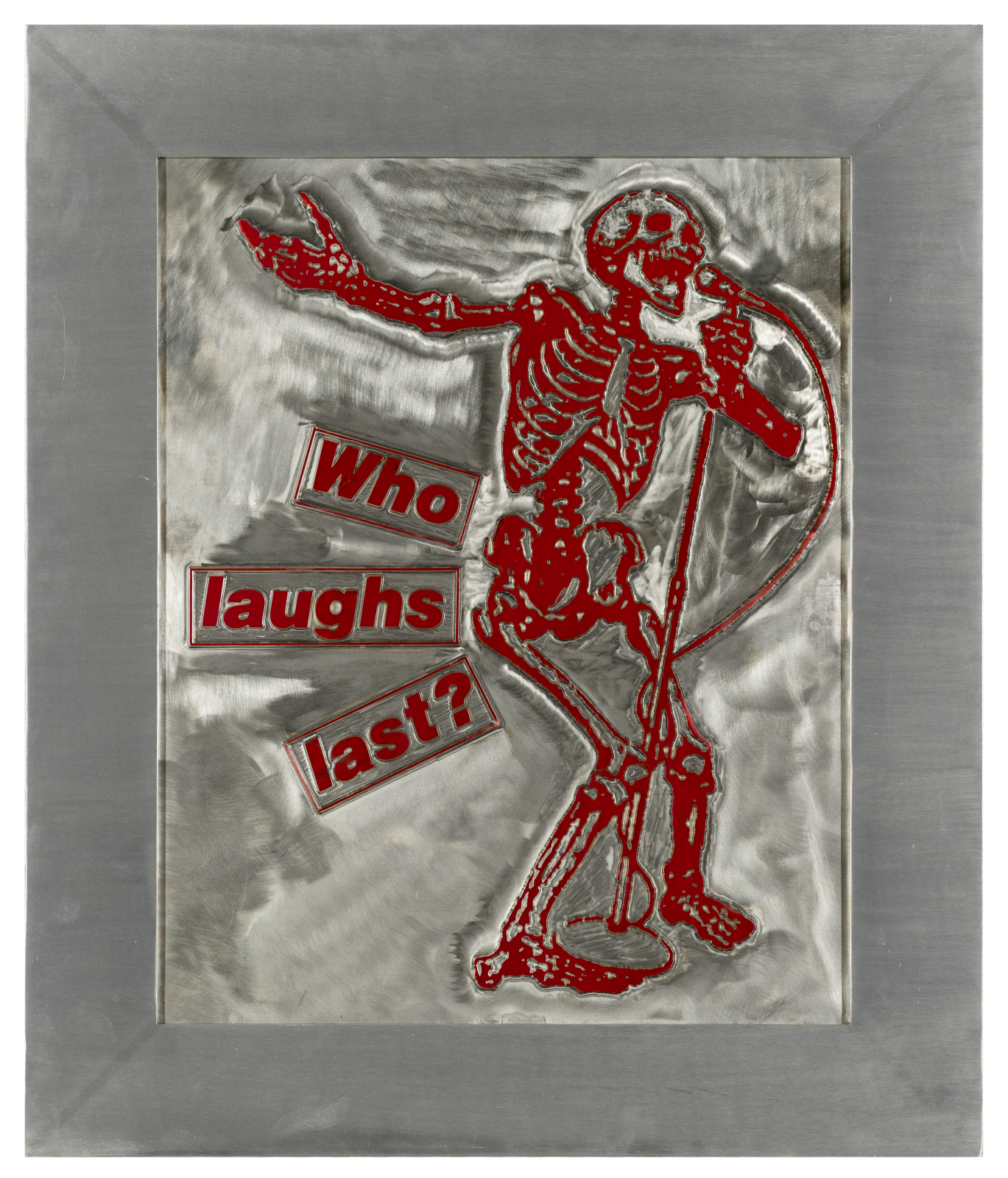
-
Louise Lawler
-
Sherrie Levine
-
Robert Mapplethorpe
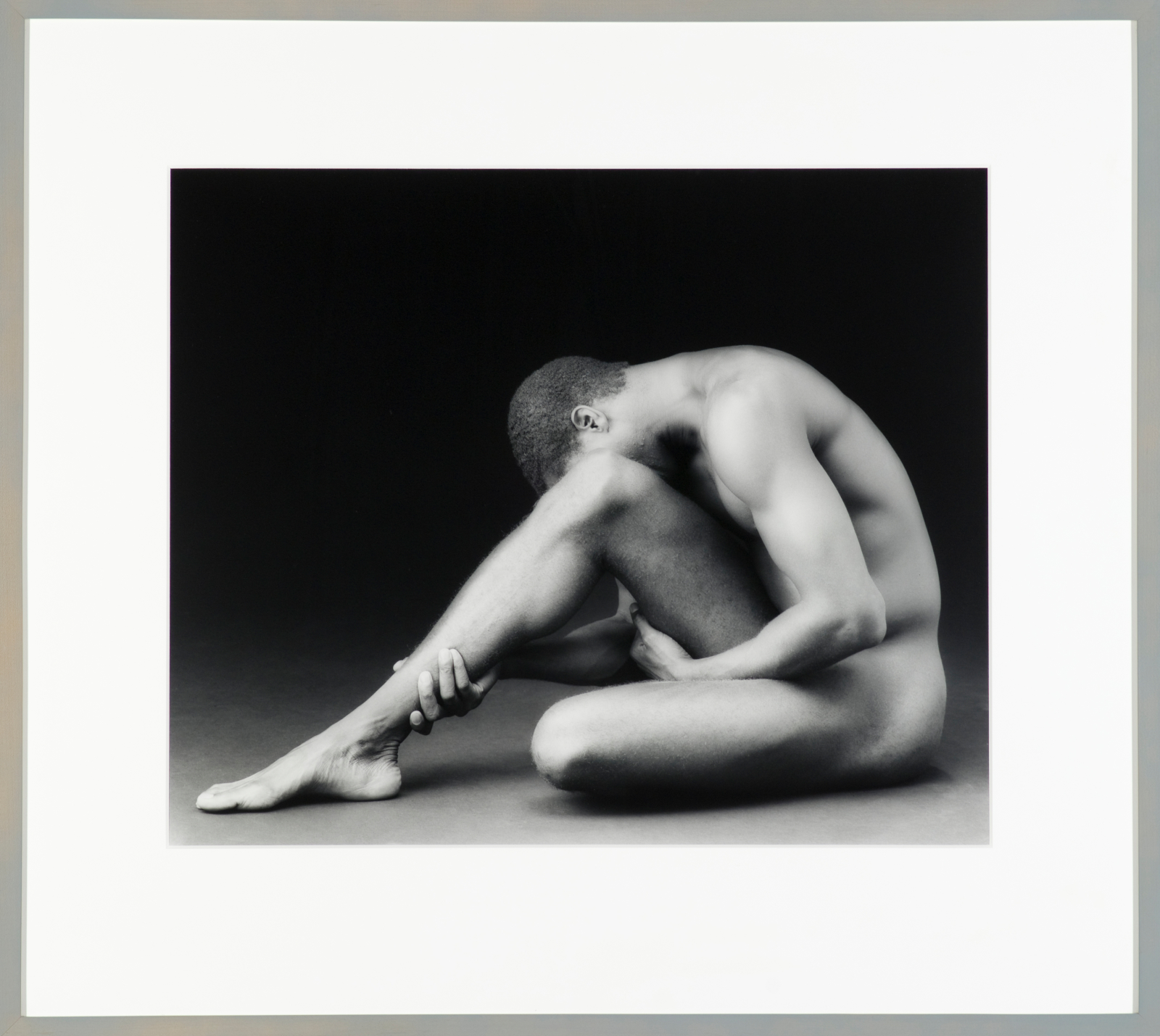
-
Paul McCarthy
-
Annette Messager
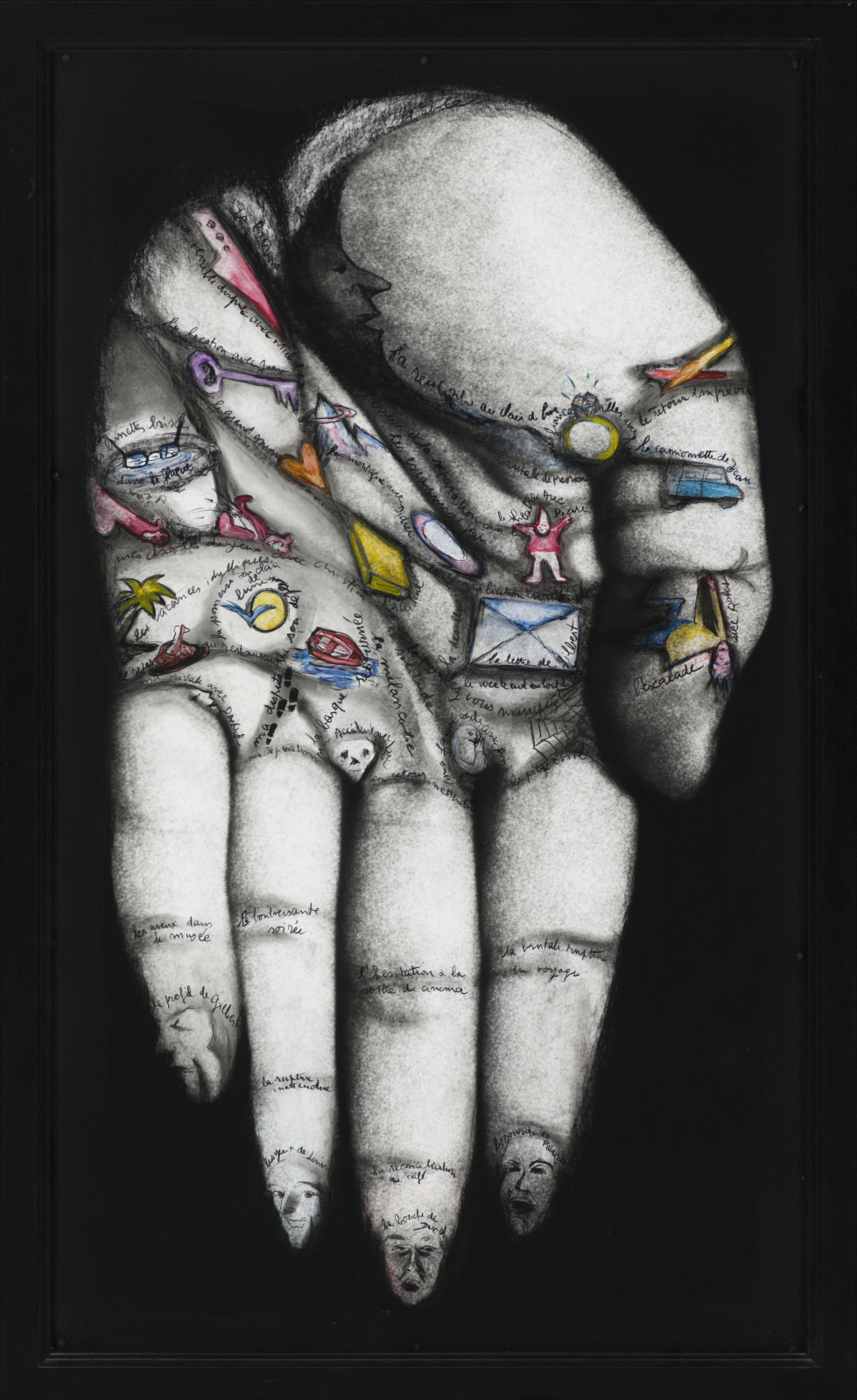
-
Donald Moffett
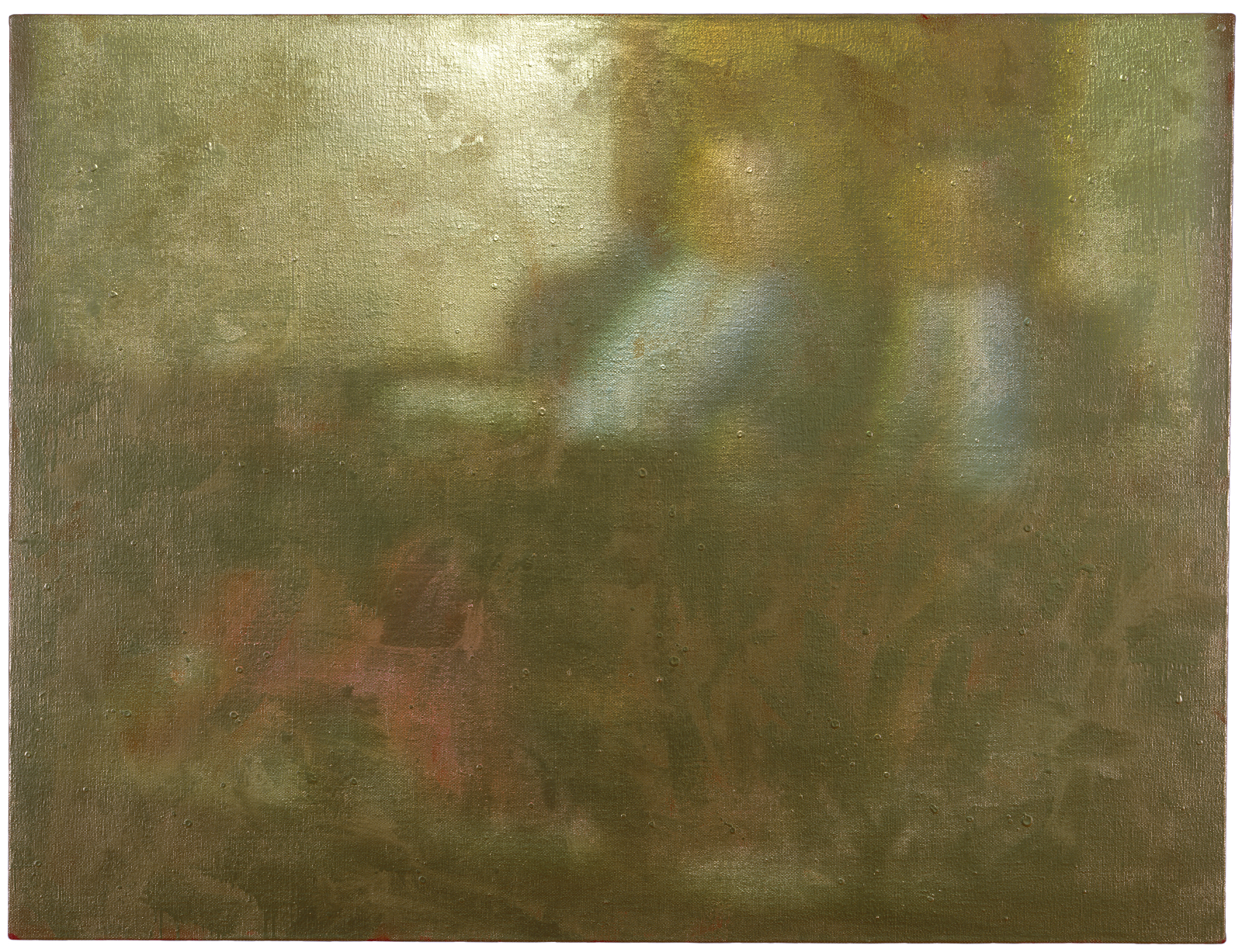
-
Cady Noland
-
Albert Oehlen
-
Raymond Pettibon
-
Adrian Piper
-
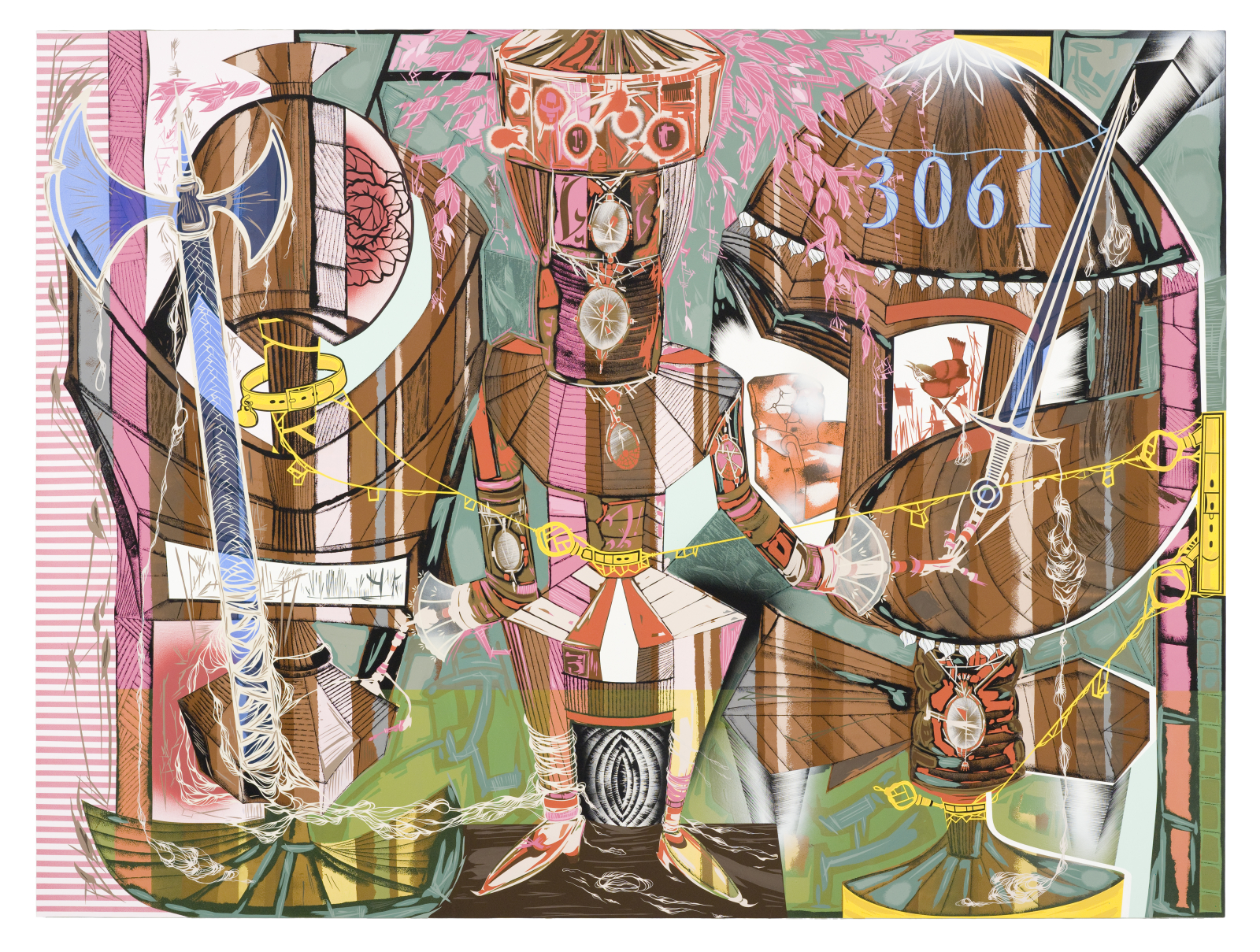
Lari Pittman
-
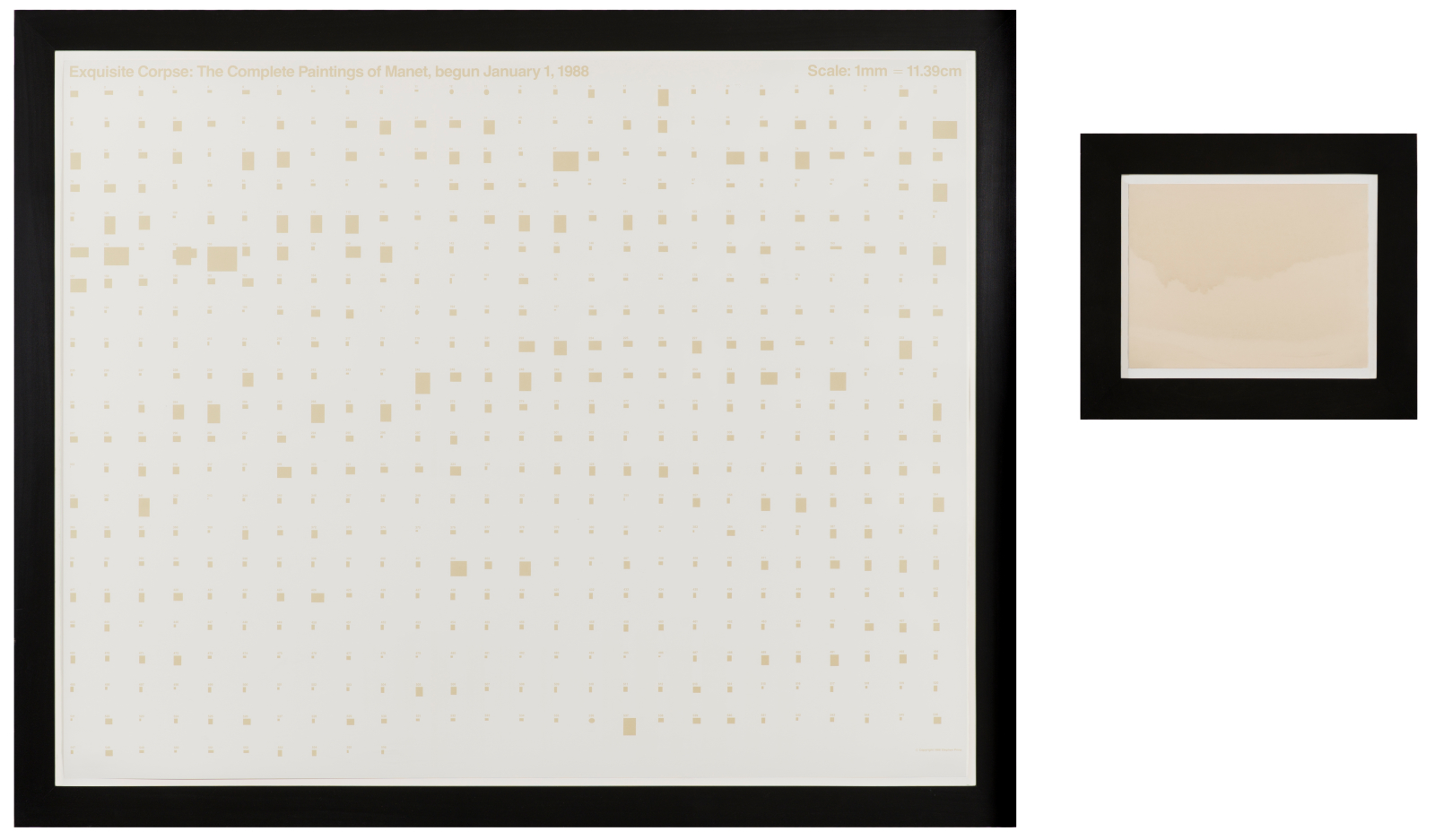
Stephen Prina
-
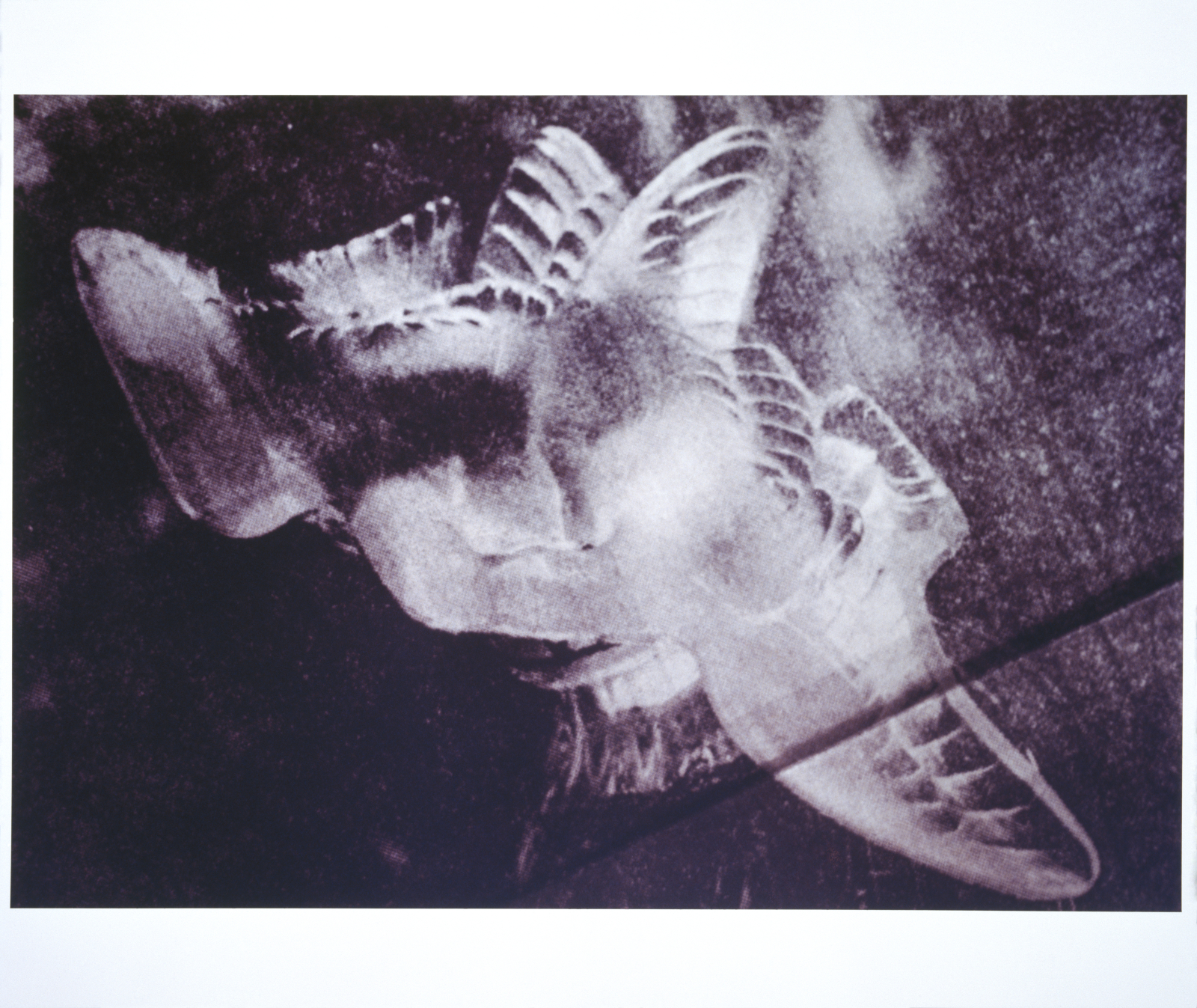
Richard Prince
-
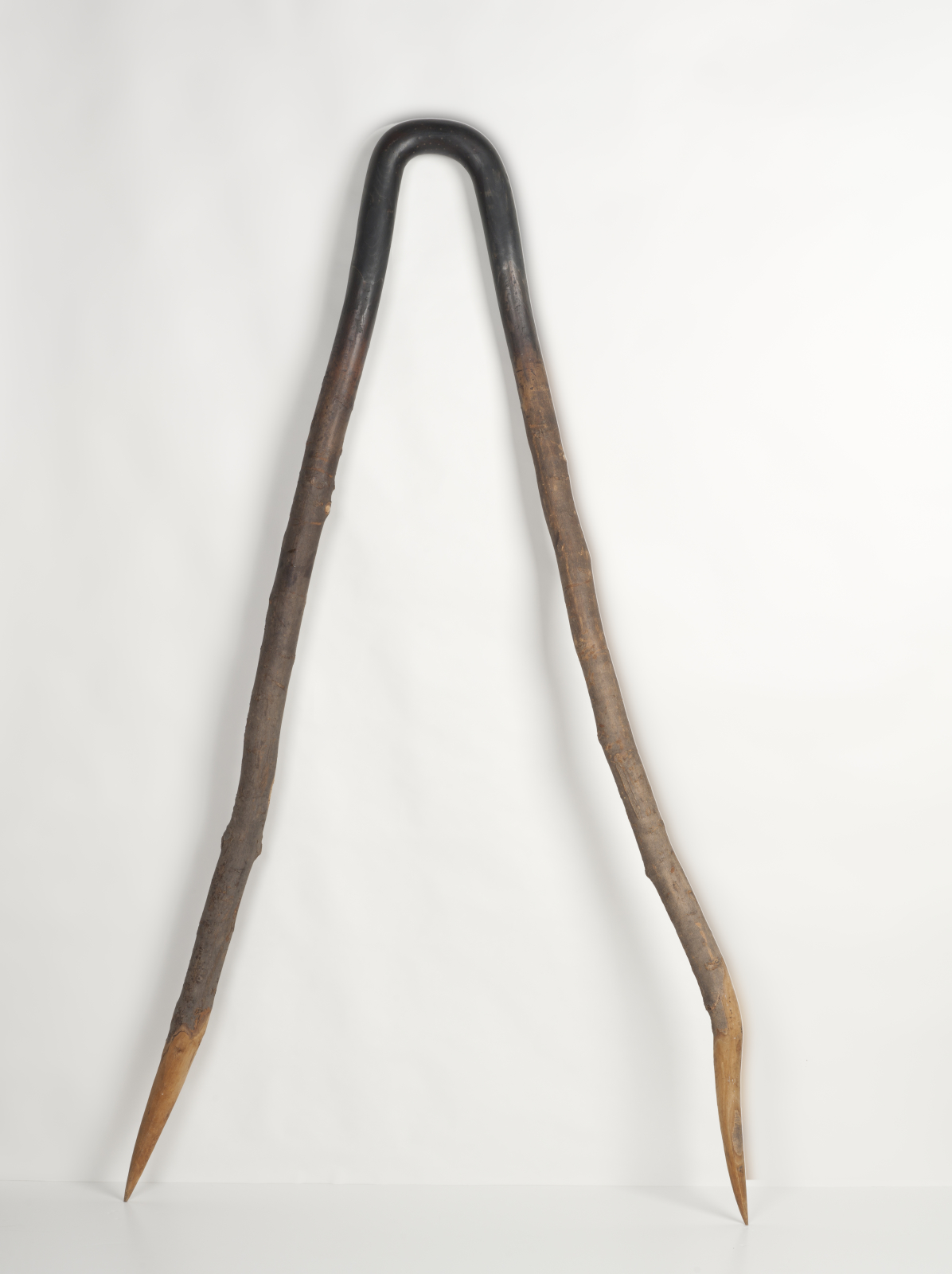
Martin Puryear
-
Gerhard Richter
-
David Robbins
-
Tim Rollins
-
Doris Salcedo
-
David Salle
-
Julian Schnabel
-
Cindy Sherman
-
Laurie Simmons
-
Lorna Simpson
-
Doug Starn
-
Mike Starn
-
Haim Steinbach

-
Tony Tasset
-
Rosemarie Trockel
-
Jeff Wall
-
Carrie Mae Weems
-
James Welling
-
Christopher Williams
-
David Wojnarowicz
-
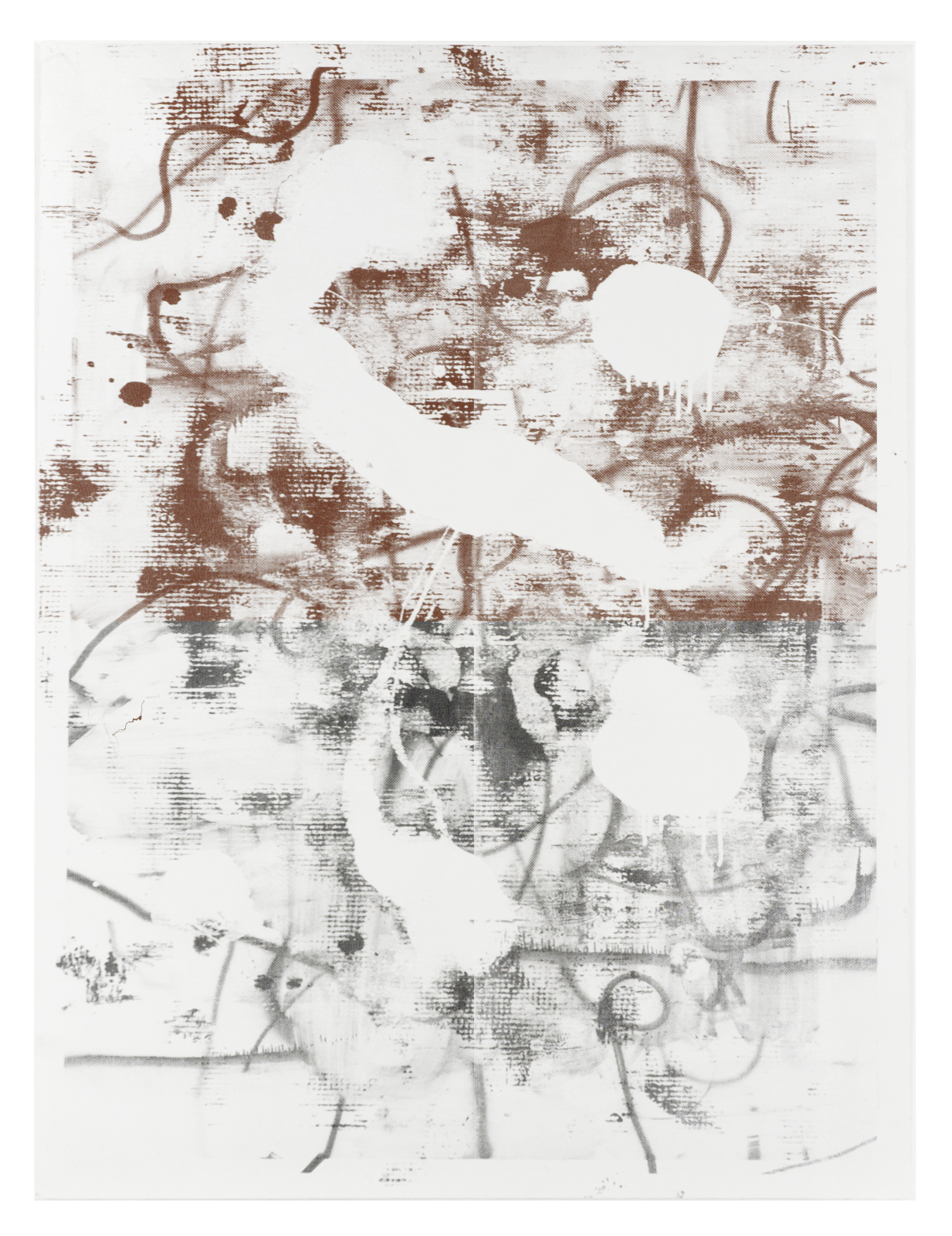
Christopher Wool
Related Events
Related Content
-
Video
This Will Have Been: Art, Love & Politics in the 1980s
Learn about the climate surrounding the 1980s through interviews with featured artists and the exhibition curator. -
Audio Tour
Hear from several artists featured as well as the curator. -
Video
This Will Have Been: Guerrilla Girls on Art, Love & Politics in the 1980s
Artist Frida Kahlo of the Guerrilla Girls discusses the implications of the 1970s feminist movement. -
Articles
This Will Have Been: A Mixtape
-
Books
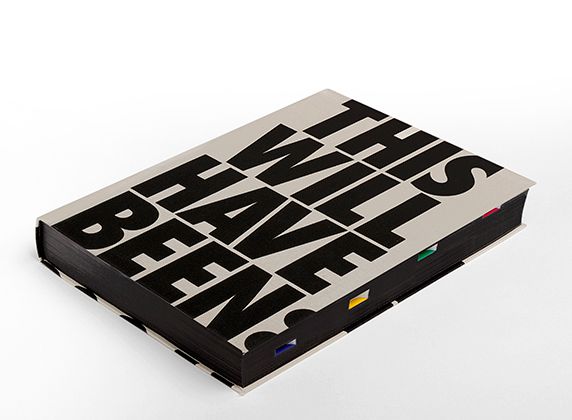
This Will Have Been: Art, Love & Politics in the 1980s
Flexibound softcover; 448 pages, with 200 color illustrations. Published by MCA Chicago with Yale University Press.

Funding
Lead support for This Will Have Been: Art, Love & Politics in the 1980s is provided by the Harris Family Foundation in memory of Bette and Neison Harris: Caryn and King Harris, Katherine Harris, Toni and Ron Paul, Pam and Joe Szokol, Linda and Bill Friend, and Stephanie and John Harris.
Major support is provided by The Andy Warhol Foundation for the Visual Arts and Helen and Sam Zell.
Additional generous support is provided by Neil G. Bluhm; Deutsche Bank; Andrea and Jim Gordon, The Edgewater Funds; Dakis and Lietta Joannou; Susan and Lew Manilow; the Pritzker Traubert Family Foundation; Agnes Gund; David C. & Sarajean Ruttenberg Arts Foundation; Marilyn and Larry Fields; The Broad Art Foundation; Gagosian Gallery; Galerie Max Hetzler, Berlin; Glenstone; Luhring Augustine Gallery; Per Skarstedt; and Marianne Boesky Gallery.


Official Airline of the Museum of Contemporary Art Chicago