About the films
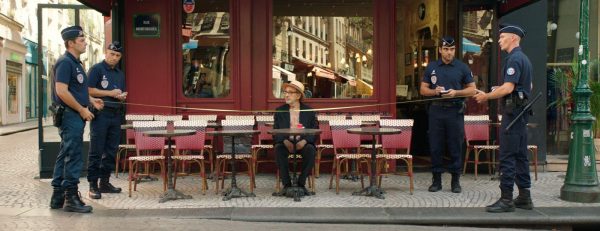
An almost silent film, Elia Suleiman’s It must be heaven(2019) addresses his exile from Palestine while also reflecting on his abandonment of national identity, begging the question: what is Palestininaness? The film follows the filmmaker on a journey through three cities—Nazareth, Paris, and New York. Each first appears as a potential home, but turns out to be an alienating and hyper-surveilled environment. Suleiman often finds himself in situations where his movements are controlled and his identity essentialized to that of a Palestinian. Associating an Arab town in historical Palestine—today recognized as Israel—with two of the West’s main metropolises, Suleiman speaks of a “Palestinization,” rather than a globalization, of the world.
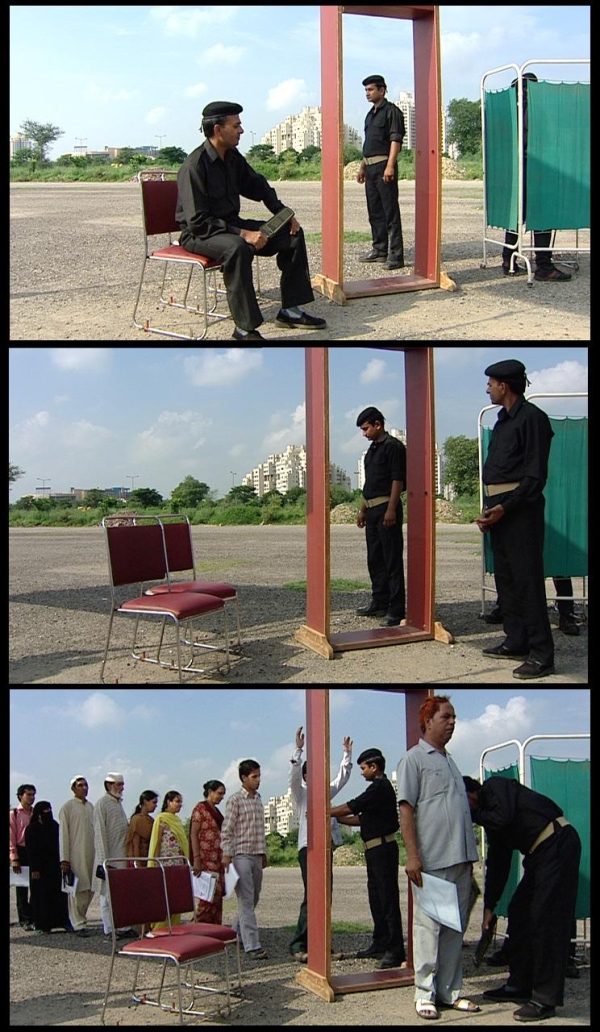
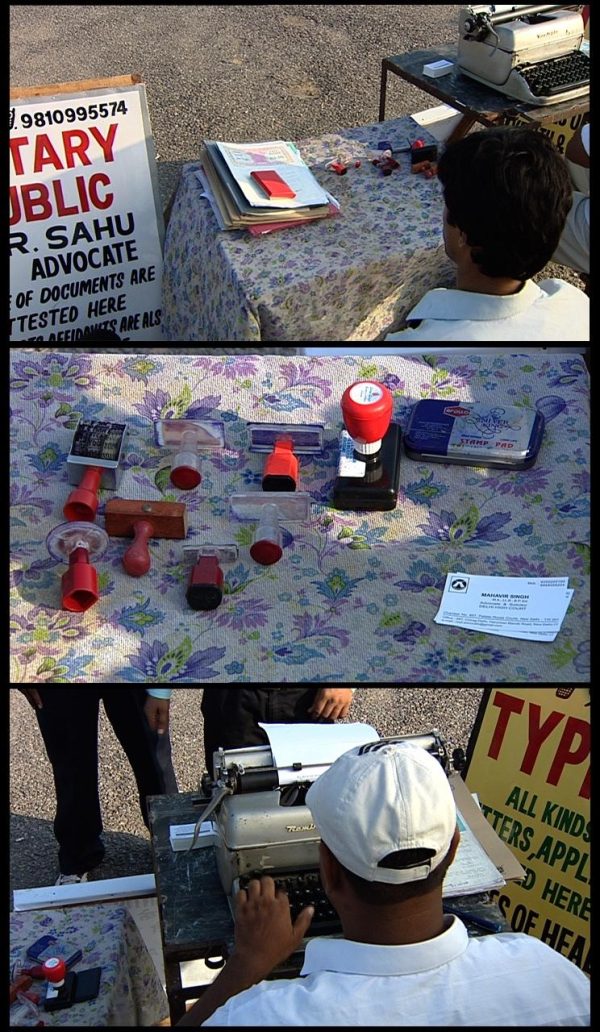
Bani Abidi and Steffani Jemison’s short films also revolve around freedom of movement and policing, while looking at specific situations in which BIPOC peoples find their movement restricted. Abidi’s The Distance from Here(2010) stages the wait that visa applicants experience in bureaucratic spaces and embassies, transposing this suspended time to the street. Using yellow traffic road lines to separate the applicants waiting in line, she hints at the excessive control of movement they are subjected to.
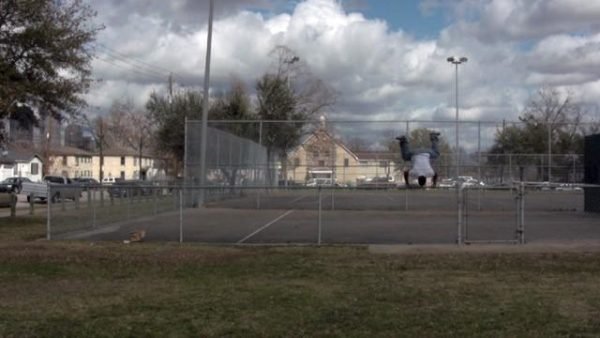
Steffani Jemison’s Escaped Lunatic (2010-11) is based on escape and chase scenes that were replicated in many early twentieth-century films. By casting different, dressed-alike people to repeat the same scene, she actualizes various tropes often depicted in the cinema of that time—namely that of “the black fugitive.” These images acutely resonate today in light of the constant policing that black people in particular endure in the US.