Editorial
The Commons Collection: Nature and Social Justice in 21st-Century Cities
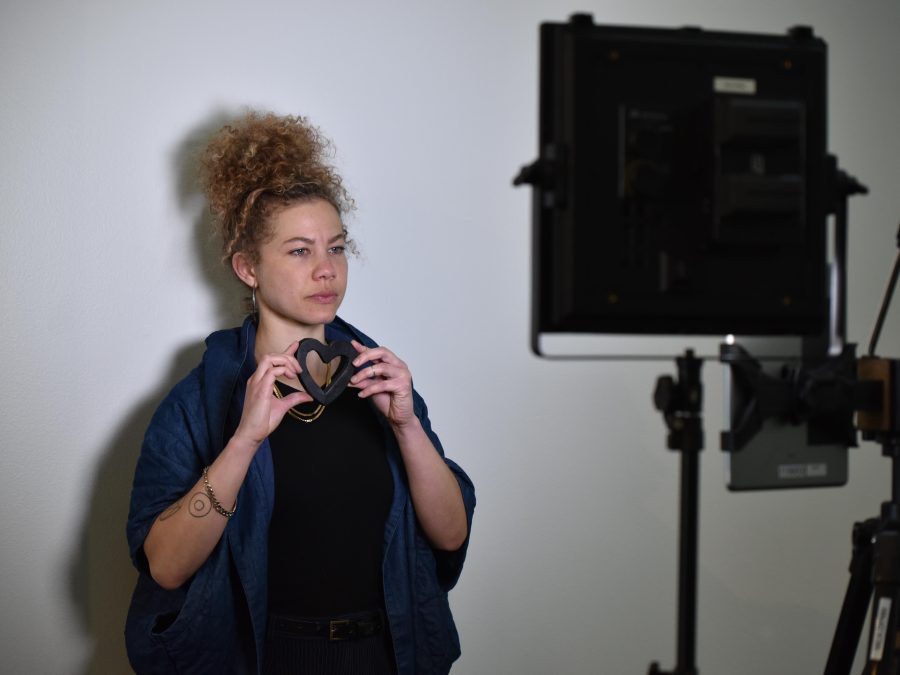
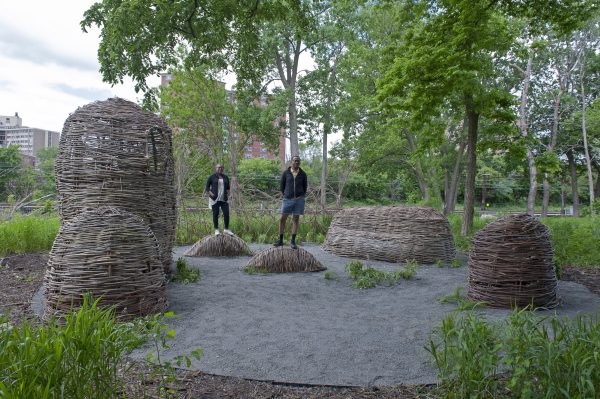
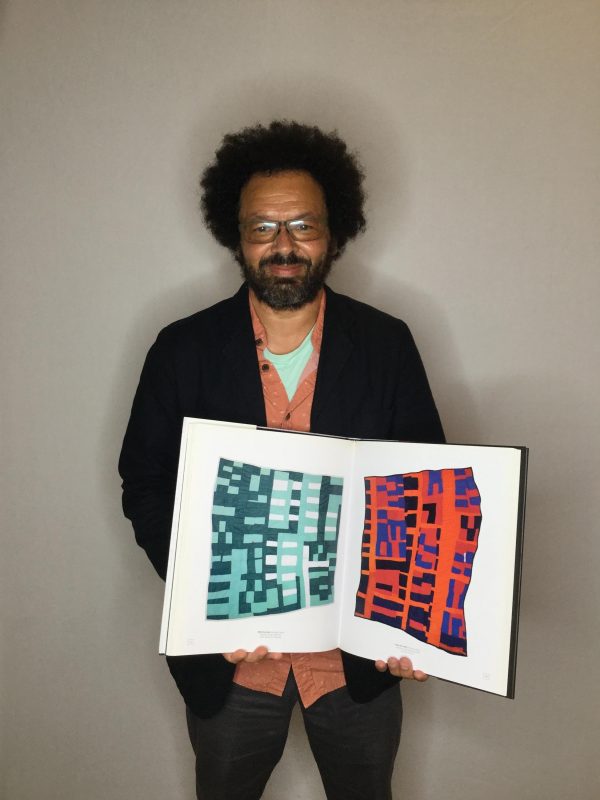
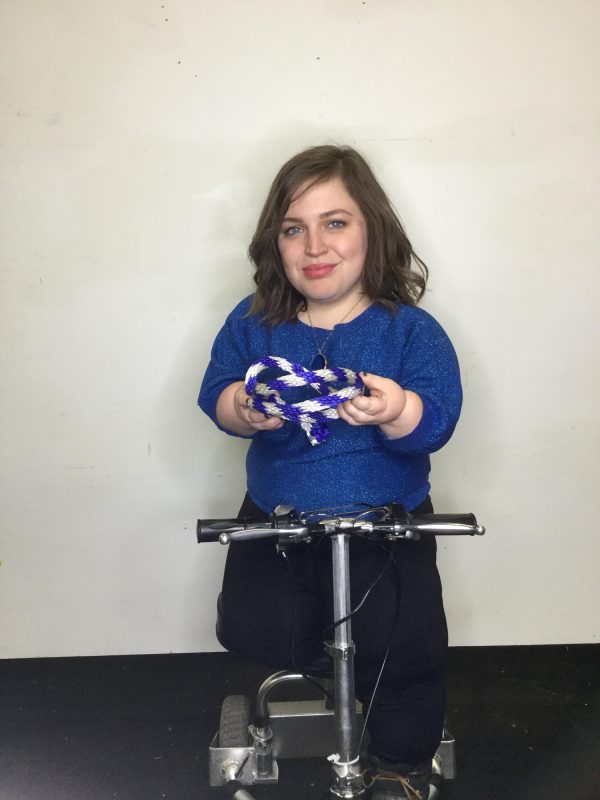
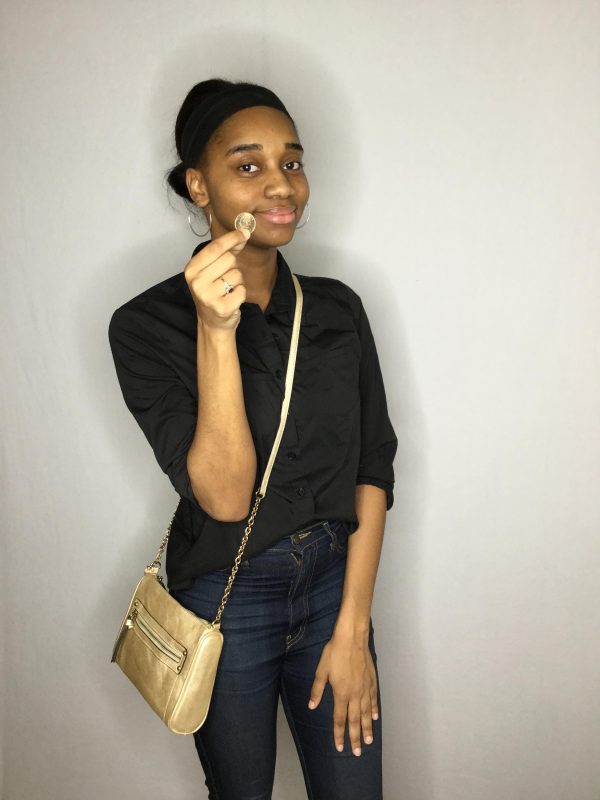
Participants take photographs with objects for The Commons Collection during In Progress: Folayemi Wilson and Norman Teague.
Photo: Michael Courier © MCA Chicago.
Are there ways that nature can help inform how we design 21st-century cities for 21st-century challenges?
As part of blkHaUS studio’s Commons Artist Project, Norman Teague and Folayemi Wilson asked community members to bring small items from their personal collection that reflect their community, then photographed and catalogued them as part of The Commons Collection. Here are the collectors’ words—unedited—about their objects.

Person Name: Adero Knott
Neighborhood: West Loop
Object Name: Love Pyramid
Maker: Merchant outside of pyramids in Egypt
Materials: Rose quartz, amethyst, blue apatite
Dimensions: 2.75 × 3 × 2.75 in.
Provenance: The Great Pyramids of Giza
I am passionate about crystals and their power. The pyramid has geometry, squares and triangles, and is structurally very sound. I would love to see this translate more into the built environment. What if we had quartz and amethyst in the built environment—things that add to your life?
Ladipo, my partner, went to Egypt and brought back a set of three pyramids made of crystals as a gift. I loved them and keep them on my desk at work for protection and as a reminder that I’m in control. The “Love Pyramid” is meaningful to me because it’s a symbol of my partner’s love blended with my affinity towards crystals. I selected this object today as I use these crystal pyramids made of stone within the built environment of my office space. Not only in the way the pyramid is made, structurally sound, but also the material of the pyramid, adds meaning that can be carried into the design of future built environments. Imagine walking into an office or home with a rose quartz wall, or amethyst chairs.
—Adero Knott
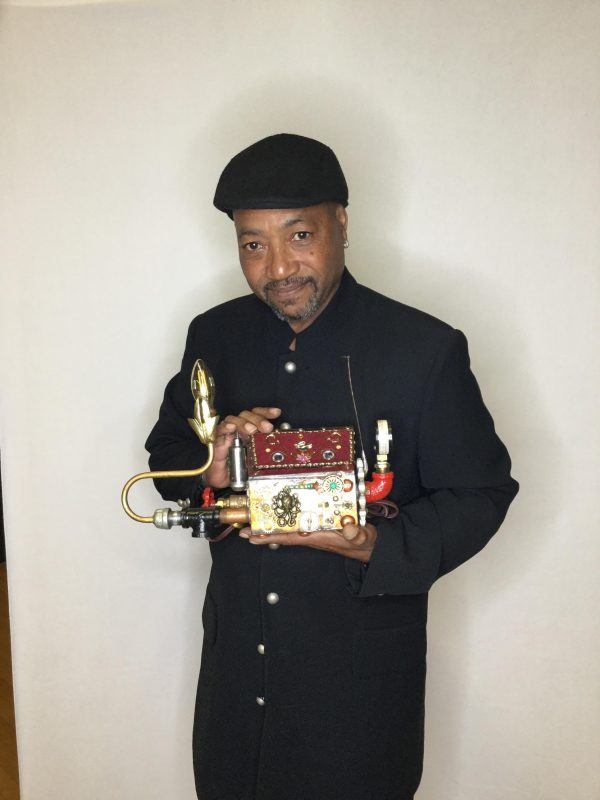
Person Name: Aharon Bennoah
Neighborhood: South Shore
Object Name: Steampunk medallion
Everything existing in nature is art. I am an electrician by trade and an artist. Every day I create something—this is the artist’s legacy. That is a real artist.
This object is motor, heater, jewelry box.
—Aharon Bennoah
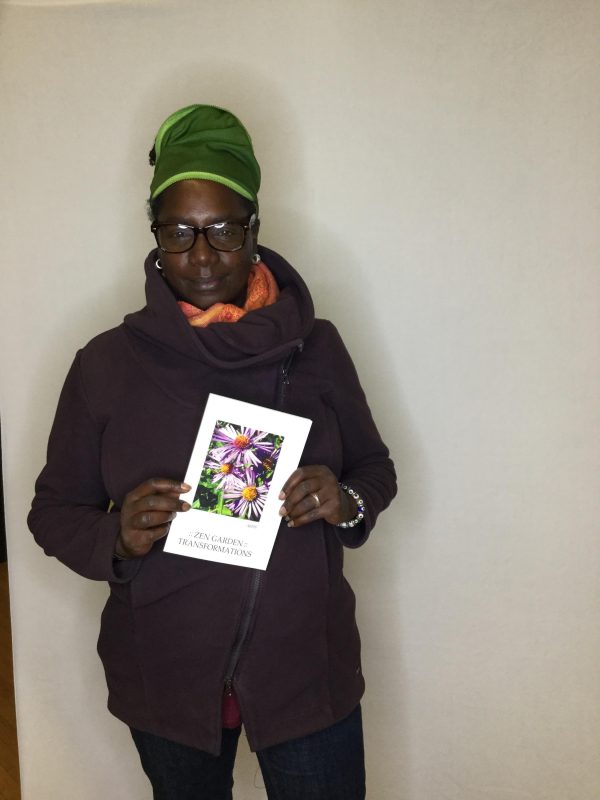
Person Name: Anayansi Ricketts
Neighborhood: South Shore
Object Name: Zen Garden Transformation
Maker: Anayansi Ricketts (self)
Materials: Paper
Dimensions: 6 × 0.05 × 9 in.
Provenance: I took the photos and wrote the poetry, and the conversations
This object came about because of a vacant lot I bought on the South Side. In hopes of creating an amazing native garden, I began what I now call a performance art piece. I worked on the garden: creating a beautiful space and having conversations with the neighbors, observing changes and talking out ideas with them.
The object has meaning because it collects the stories of the people who live by the lot. It shows their thoughts and allows them to participate in a beautification project. I have come to love the conversations I have with the neighbors and cherish the experience.
It chronicles transformation and growth, and how people can come together informally to create change. It is also a showing of positivity on the South Side. There is so much good happening here, and it is so overlooked.
This project has been a fundraiser for the garden. People have loved reading the poetry and better understanding Chicago. And getting a more realistic view of the South Side.
—Anayansi Ricketts
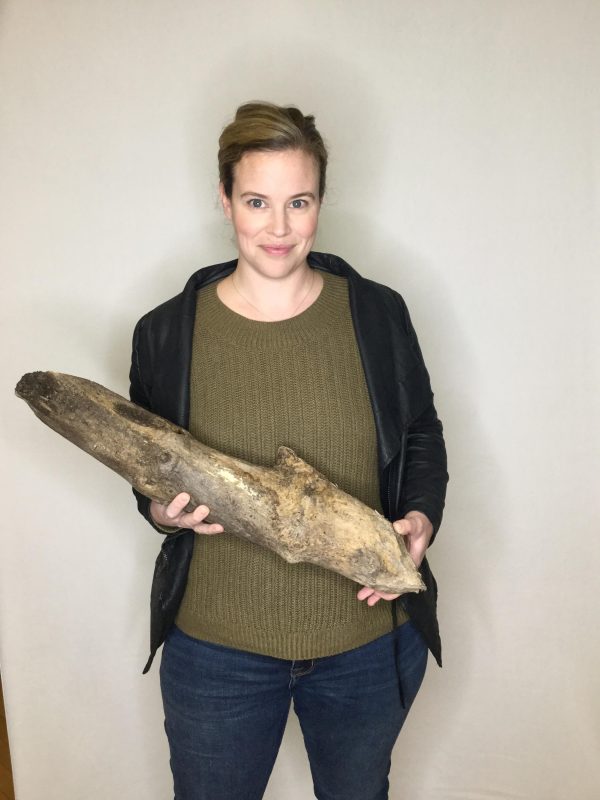
Person Name: Angelique Grandone
Neighborhood: Humboldt Park
Object Name: Beaver log
Maker: Beavers
Materials: Wood
Dimensions: 4 × 28 × 4 in.
Provenance: A Lake Michigan beach, likely brought on the waves from elsewhere nearby
Collections can look like many things, and while I have several, this one delights me the most in its simplicity and serendipitous nature.
I had only ever seen cartoon representations of beaver logs—all pointy ends and stripped bark—before I stumbled across one on the beach. It was thrilling that the real thing was so immediately recognizable.
Walking on the beach has become a semi-regular break on stressful work days and a way that I reconnect with nature. I found the first beaver log in February 2017 and gave it away to a friend as a gift, but soon more followed and the more I look the more I find.
—Angelique Grandone
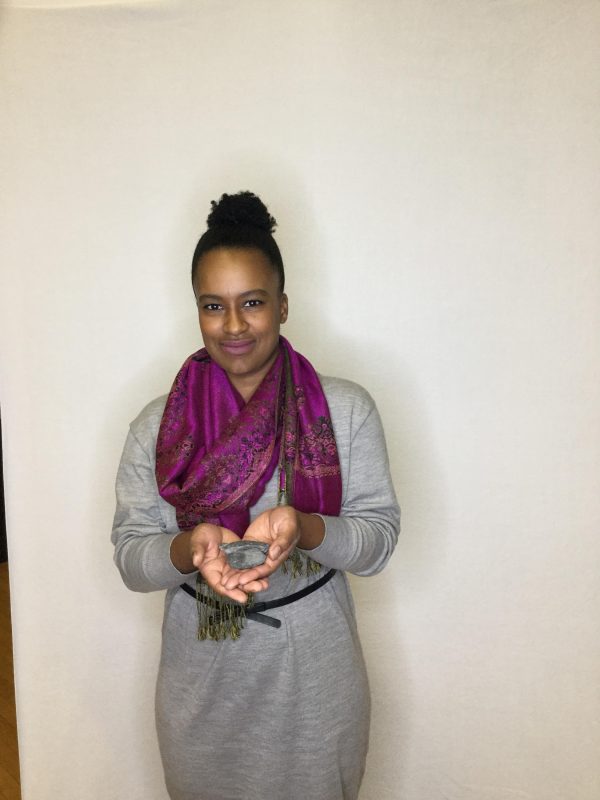
Person Name: Camille Applewhite
Neighborhood: Bridgeport
Object Name: Shale stones (pieces)
Maker: Nature
Materials: shale
Dimensions: 2.5 × 2 × 2 in.
Provenance: My office desk. Unsure. Assuming a landscape/landscape supply.
It represents change and reorder of material. I use shale rock as design ‘edge’ for landscapes, but it is a natural material being used in an ‘unnatural’ way.
I love natural stone. It’s been on my desk since I moved to it. [I’m] unsure who it belonged to before.
—Camille Applewhite

Person Name: David Toledo
Neighborhood: Noble Square
Object Name: Faerie Gathered
Maker: Momma Nature
Materials: Nature—seeds, water, light, earth, air, and farmer
Dimensions: 0 × 0 × 0 in.
Provenance: July 2019. The flowers have always been mine. It was grown in Wild Hollow Farm in Ashland, Wisconsin.
It’s the beauty of nature. It was grown and harvested to promote love and acceptance for a friend’s wedding.
Let us grow things, and compost it!
I have really cute pictures with it! I made a cape for the event—my friends queer barn wedding!
I was going to compost it, but decided to dry them and keep them for as long as I take good care of them. I wanted to continue promoting sustainable art. People should grow their art, and cause no harm. Grown, harvested, and compost it!
—David Toledo
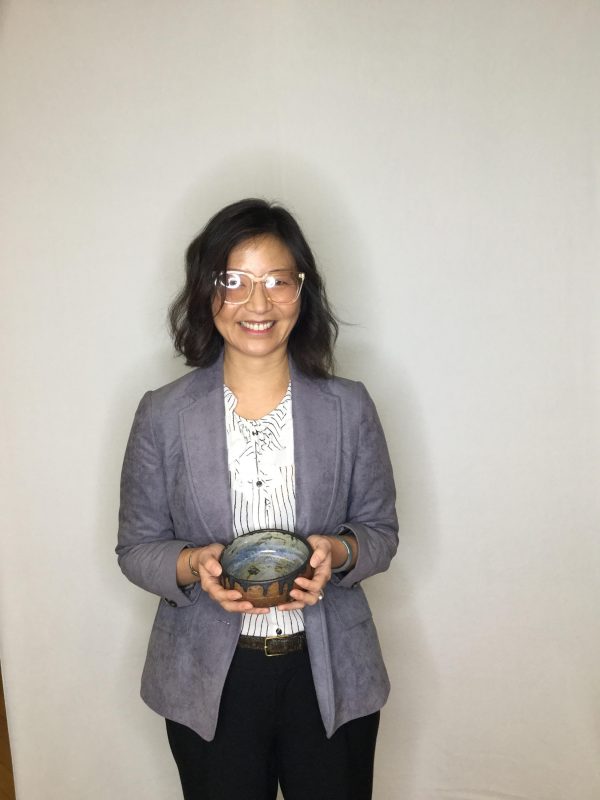
Person Name: Inez Suen
Neighborhood: New City
Object Name: Bowl
Maker: Inez Suen
Materials: Wood-fire stoneware
Dimensions: 2.25 × 5.25 × 5.25 in.
Provenance: I made it
This bowl is simply clay from the earth and with the human hand, it turned into functional ware. I have carried this object with me for 20 years. It has held keys, soap, money, soup, and much more.
It symbolizes my belief that that we as a society need to get our hands dirty both literally and figuratively. We should reexamine the maker and the maker’s process and, in combination with modern technology, find more sustainable and regenerative ways to improve our community.
—Inez Suen
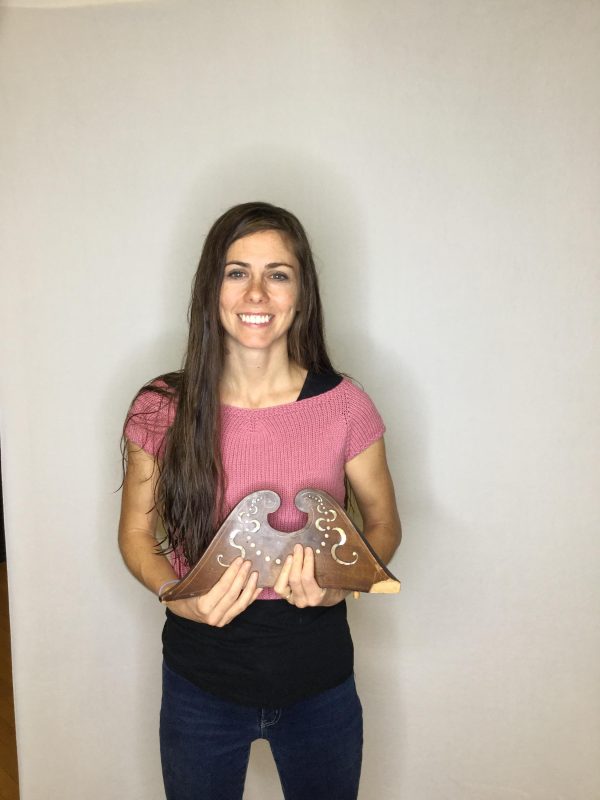
Person Name: Matisse Searle
Neighborhood: Woodlawn
Object Name: Parking lot wood chunk
Maker: I have no idea!
Materials: Wood, stone
Dimensions: 11 × 3 × 1 in.
Provenance: I bought it . . . why? I thought it was beautiful.
I love how it feels to touch. I find it beautiful. It grows richer in the touching. As a pre-K–eighth grade art teacher, I want more objects like this for my students to grow with, for their hands to touch and receive a glow from touching. It is the most beautiful object I have.
—Matisse Searle
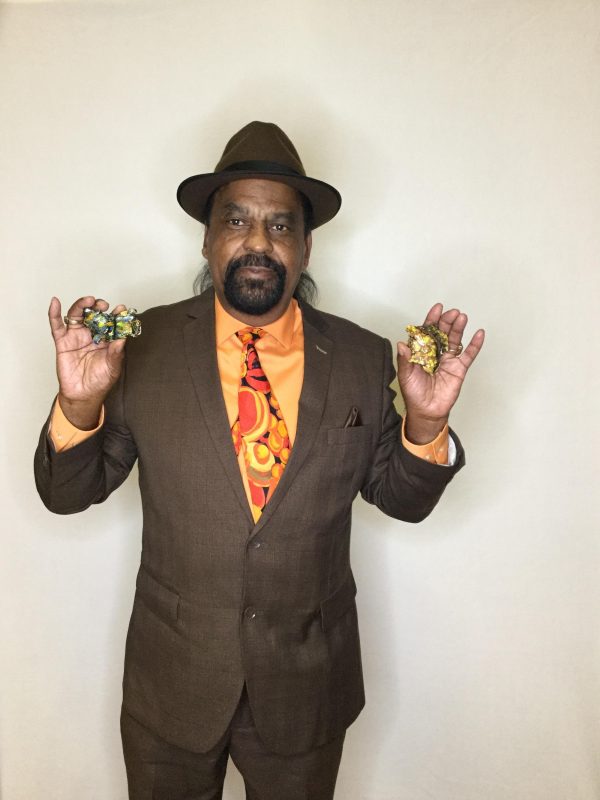
Person Name: Robert Carr
Neighborhood: New City
Object Name: Tree bark
Maker: Myself
Provenance: Taken from a tree that is in my yard
For three generations the children played in the tree, around the tree—‘Ring Around the Rosie.’ It brings memories of family that have come and gone.
—Robert Carr
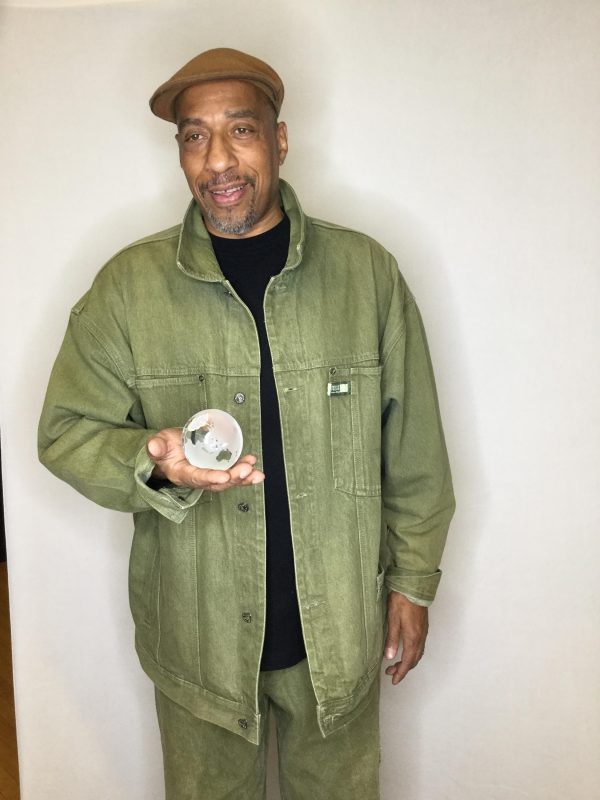
Person Name: Terrance Miller
Neighborhood: Woodlawn
Object Name: Global Trailblazer by Commercial Awards Manufacturer, 2001
Maker: Commercial Awards
Dimensions: 2.5 × 2.5 × 2.5 in.
I worked for United Way, and they collected stuff to give as gifts. These crystal globes of Earth were discarded, and I took them. Four years ago, I started an initiative, ‘The Black Man’s Expo.’ The globes became an award for community spirit and activism. The globe is a way to create connection with community—promote artistic and creative endeavors in the community.
—Terrance Miller
Submit your own object to the Commons Collection at Open Hours on select Tuesdays and Saturdays during the run of the exhibition.