Editorial
The Commons Collection: Commodification of Modernism
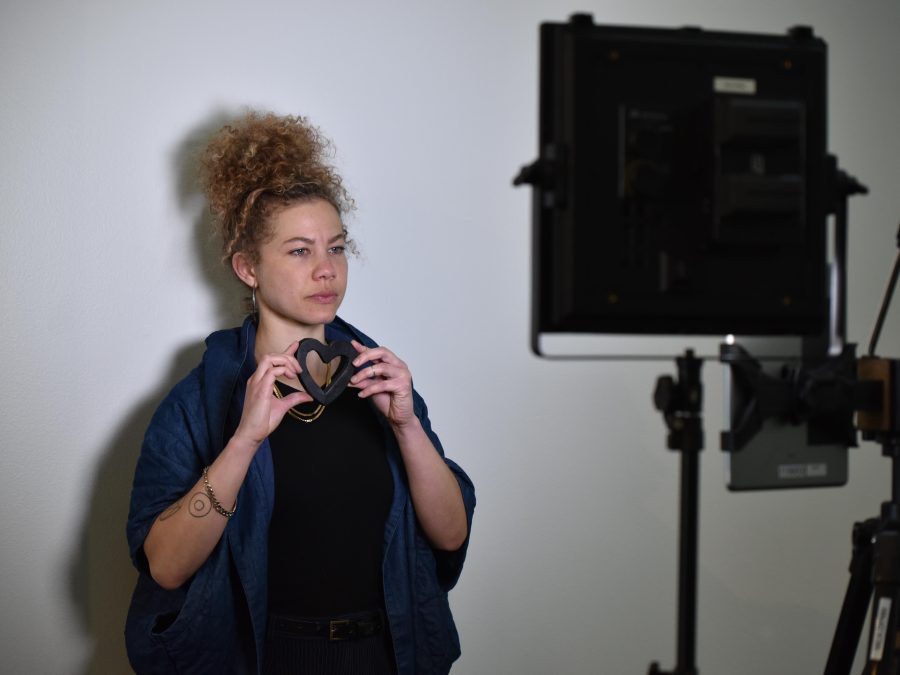
Participants take photographs with objects for The Commons Collection during In Progress: Folayemi Wilson and Norman Teague.
Photo: Michael Courier © MCA Chicago.
How has the potential for market value changed the ways we collect? What is it about modernism that has caught the imagination of design aficionados and collectors and elevated its aesthetic to elite, enduring status?
As part of blkHaUS studio’s Commons Artist Project, Norman Teague and Folayemi Wilson asked community members to bring small items from their personal collection that reflect their community, then photographed and catalogued them as part of The Commons Collection. Here are the collectors’ words—unedited—about their objects.
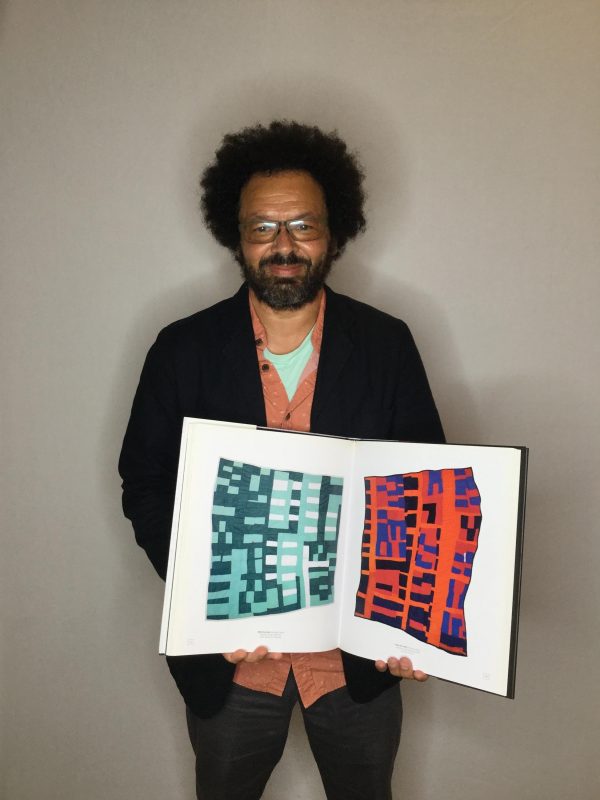
Person Name: David Brown
Neighborhood: West Loop
Object Name: Blocks and Stripes, 2004, and Blocks and Stripes, 2003
Maker: Irene Williams
Materials: Cotton blend, polyester double knot
Dimensions: 0.5 × 12 × 10 in.
Provenance: Ordered book online
[The quilts] have modern sensibilities but are not consciously about modernism. I’m interested in the quilts. I first saw some of them in Houston.
—David Brown
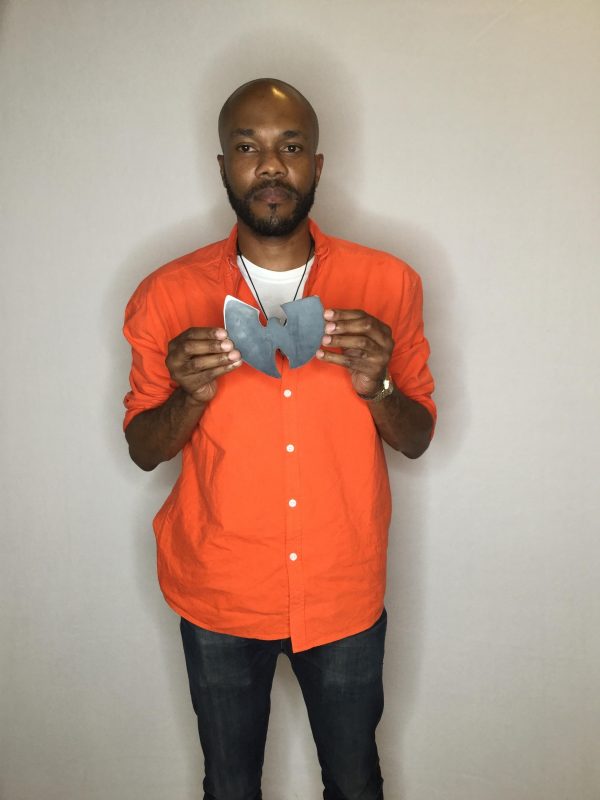
Person Name: Eric Hotchkiss
Neighborhood: Englewood
Object Name: Wu-Tang Forever
Maker: Terrance Tatum
Materials: Steel
Dimensions: 5 x 1 x 5 in.
Provenance: Created at CVCA (formerly CVS High School)
This was a gift from a friend studying metalsmithing in high school. . . . [It] was made with a very modernist mindset.
—Eric Hotchkiss
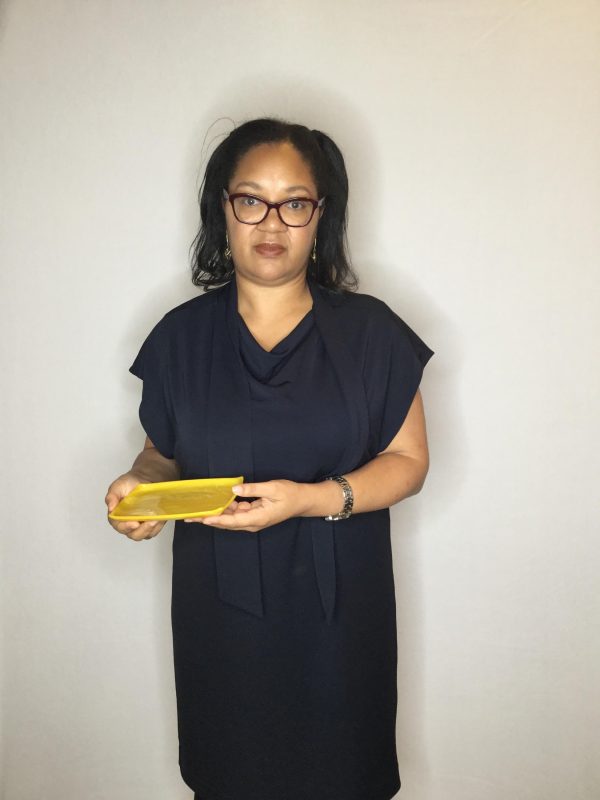
Person Name: Janet Dees
Neighborhood: Rogers Park
Object Name: Appetizer dish
Maker: Unknown
Materials: Plastic
Dimensions: 4.5 x 0.25 x 6.75 in.
Provenance: I bought it in a vintage store in Evanston, Illinois. I don’t know who made it or where it originated.
I am a curator and art historian by profession, but when it comes to collecting things for my home I like to do it more intuitively rather than taking the approach of a scholar or connoisseur.
This is one of about 16 dishes I have collected, in different colors, across different vintage shops in the Chicago area over the last couple years. I first bought six in yellow and then began to see them in different stores.
This is emblematic of my obsession with collecting vintage glassware, dishes, and serving items. I am a curator and art historian by profession, but when it comes to collecting things for my home I like to do it more intuitively rather than taking the approach of a scholar or connoisseur. Partially because it is representative of the type of things I collect, and it also was portable—and sturdy—not in danger of breaking like the glass and porcelain items in my collection.
—Janet Dees
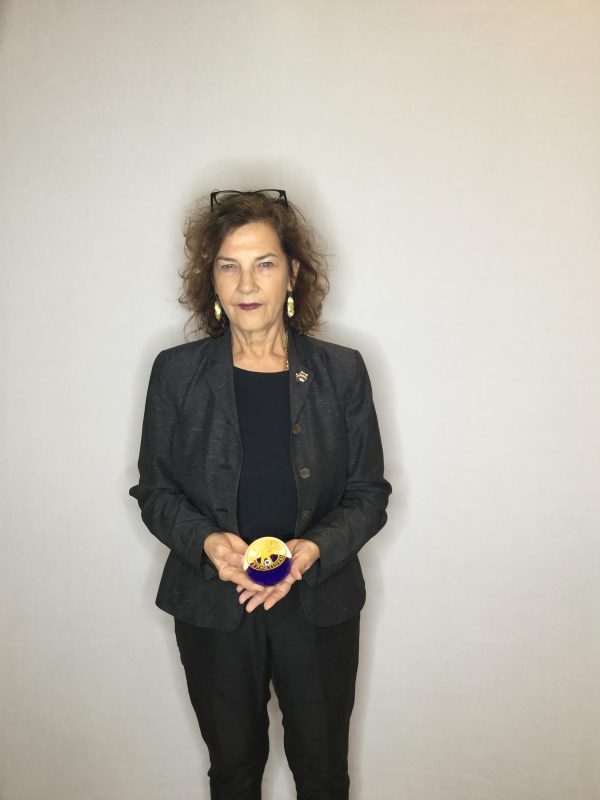
Person Name: Layne Jackson
Neighborhood: Ukrainian Village
Object Name: Kiwanis International Paper Weight
Maker: Unknown
Materials: Glass, velvet, floss
Dimensions: 3 x 3 x 3 in.
Provenance: It came from my grandfather’s closet. I know he was a lifelong member of the Kiwanis as well as other more secretive groups.
I kept this paperweight when my grandfather died, and it reminds me of how many things I did not know of my own history. It represents the mysteries that my elder relatives carried. Their world was understanding DNA and space for the first time.
I realized that I have kept it in order to keep my family close as have moved. It speaks to my 6-year-old self.
—Layne Jackson
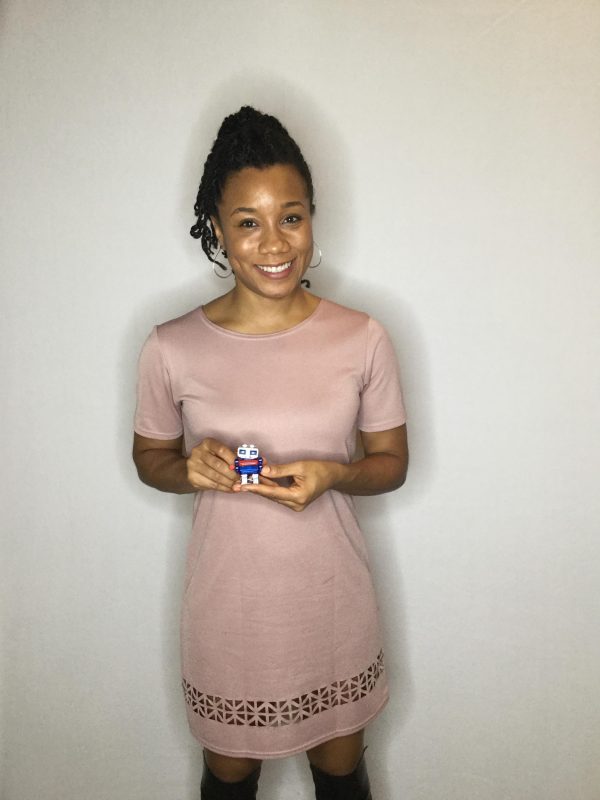
Person Name: Lindsay Austin
Neighborhood: Bronzeville
Object Name: Robot
Maker: Hans (made in China)
Materials: Plastic
Dimensions: 2 x 1 x 1 in.
Provenance: At a small market while traveling domestically (US)
I wanted to bring an object that reflects modernism as a concept of relevancy. . . . In its most ideal state, the intersection and efficiency of form and function is true modernism that transcends time or culture or practice.
When I purchased this object, it caught my attention based on the wind up function and being a robot. It represents simplicity and interaction in a playful way.
—Lindsay Austin
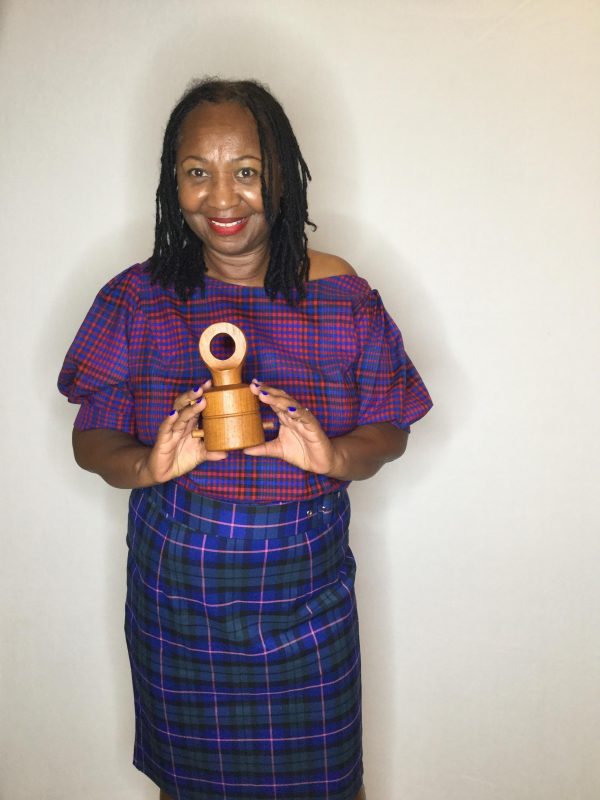
Person Name: Lynne McDaniel
Neighborhood: Kenwood
Object Name: Pepper Grinder
Maker: Dansk
Materials: Teak
Dimensions: 6 x 6 x 3 in.
Provenance: Orange Moon Gallery
It shows the ‘sexiness’ of modern. Simple and sweet. Acquired at a Hyde Park estate sale.
—Lynne McDaniel
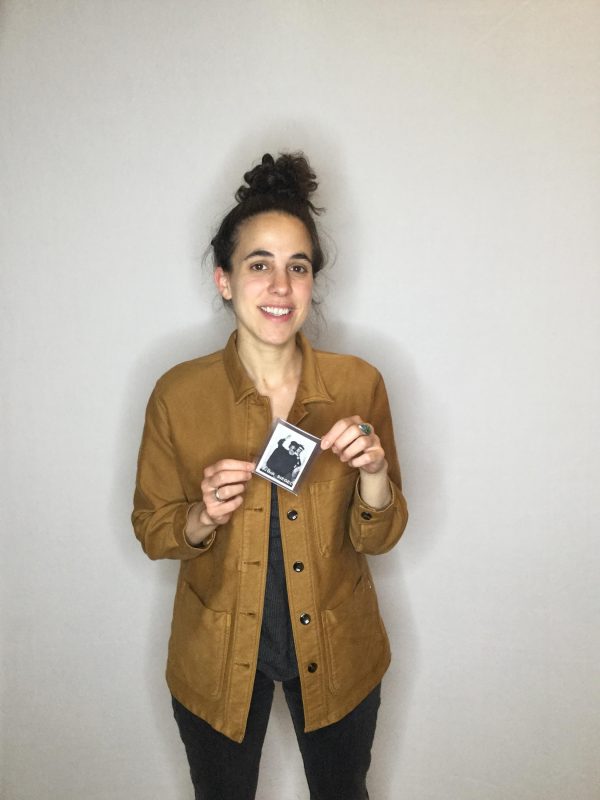
Person Name: Maggie Taft
Neighborhood: Unknown
Object Name: Photographer Baseball Card
Maker: Mike Mandel
Materials: Paper
Dimensions: 0 x 4 x 3 in.
Provenance: Ebay
I appreciate the reminder that artists are people with bodies, noses, hands, baseball gloves.
The photographer Arthur Siegel is a favorite of mine. Typically we think of artists as serious creatures but this photographer baseball card project by Mike Mandel offers a nod to the humanness of artists and a play on how art and artists are collected. In his photograph and the ‘stats’ on the card’s back, Siegel embraces playfulness and runs with it.
It speaks directly to tonight’s conversation about modernism (Siegel) and collecting (baseball cards).
—Maggie Taft
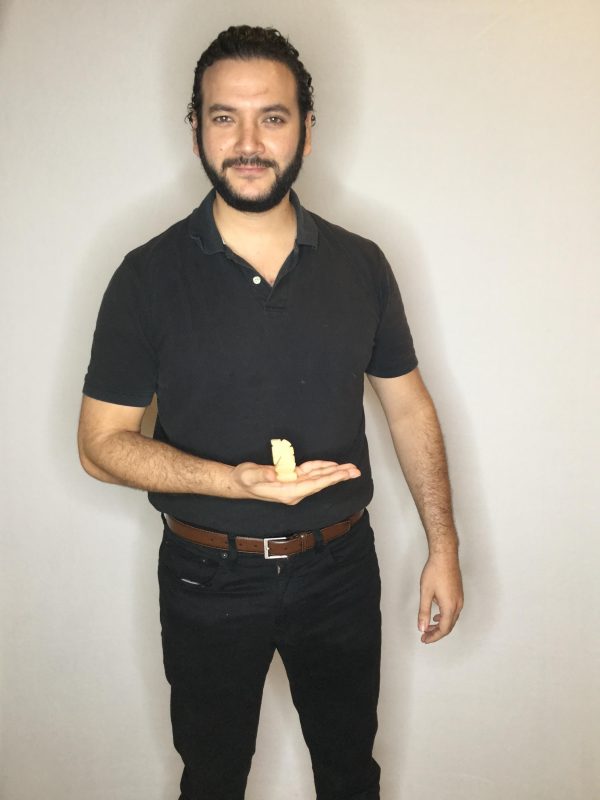
Person Name: Pablo Celorio
Neighborhood: Bronzeville
Object Name: Chess Horse
Maker: Mexicas from Teoti
Materials: Onyx
Dimensions: 2 x 0.5 x 1 in.
Provenance: An estate sale in Glenview from a family from Lithuania. They bought it on a trip to Mexico.
It reminds me of my background with horses and my dad but also symbolizes the unconventional power the horse has in battle, a strategy which relates to my perspective in life.
I bought it from Lynne McDaniel, while I was working one of her estate sales. She is one of my first friends I made in Chicago.
I don’t collect objects, but this one is very representative since before I got it, it kind of called me like Jumangi.
—Pablo Celorio
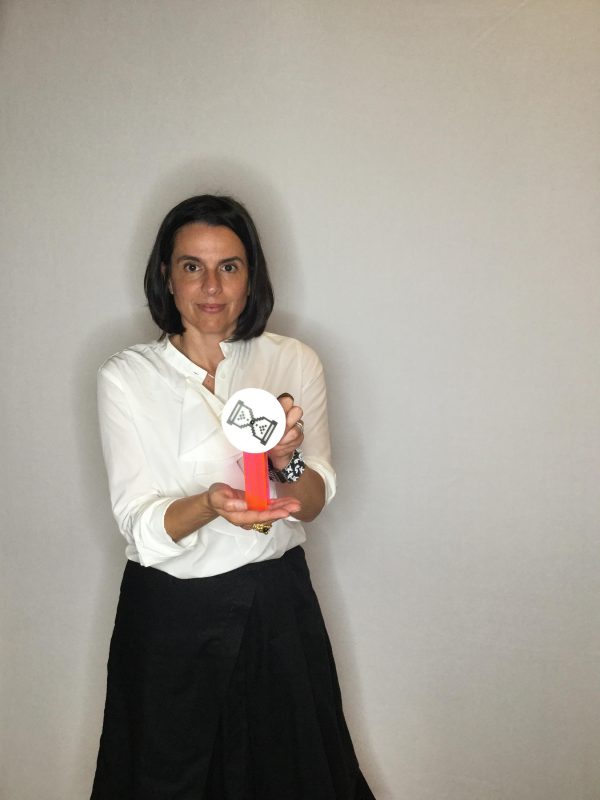
Person Name: Renata Graw
Neighborhood: Bucktown
Object Name: Time to process
Maker: Various
Materials: Plastic, paper, and battery
Dimensions: 7 x 1 x 4 in.
Provenance: I made it from an IKEA clock and some left over plexi
Objects have the value we give to them. The most powerful ones are the objects that takes us somewhere else: an old memory, a new place. We love objects that allow us to time travel.
I made this clock to remind me that time is fleeting. A meditative I eject about time itself. Always moving. It reminds me that every object is human made.
—Renata Graw
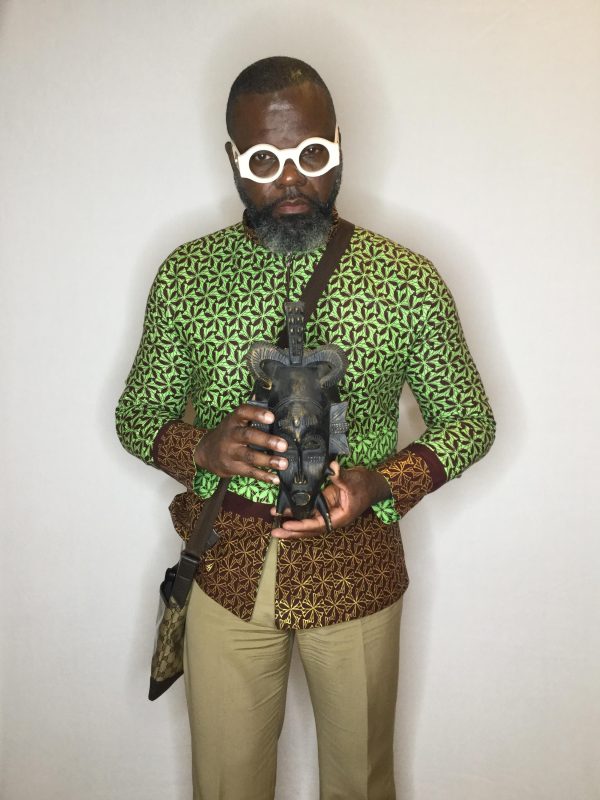
Person Name: Zala Langston
Neighborhood: Aubrun Gresham
Object Name: Unknown
Maker: Ivory Coast
Materials: Wood
Dimensions: 12 x 3 x 5 in.
Provenance: Black art plus
It is part of my heritage. [It was] the last piece of artwork [collected] before its owner passed away.
African art as modern historical sculptures that inspire modern artwork today.
—Zala Langston
Submit your own object to the Commons Collection at Open Hours on select Tuesdays and Saturdays during the run of the exhibition.