Exhibition
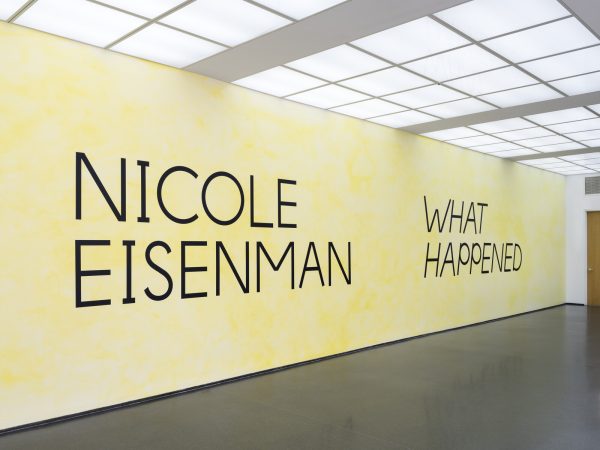
Nicole Eisenman: What Happened
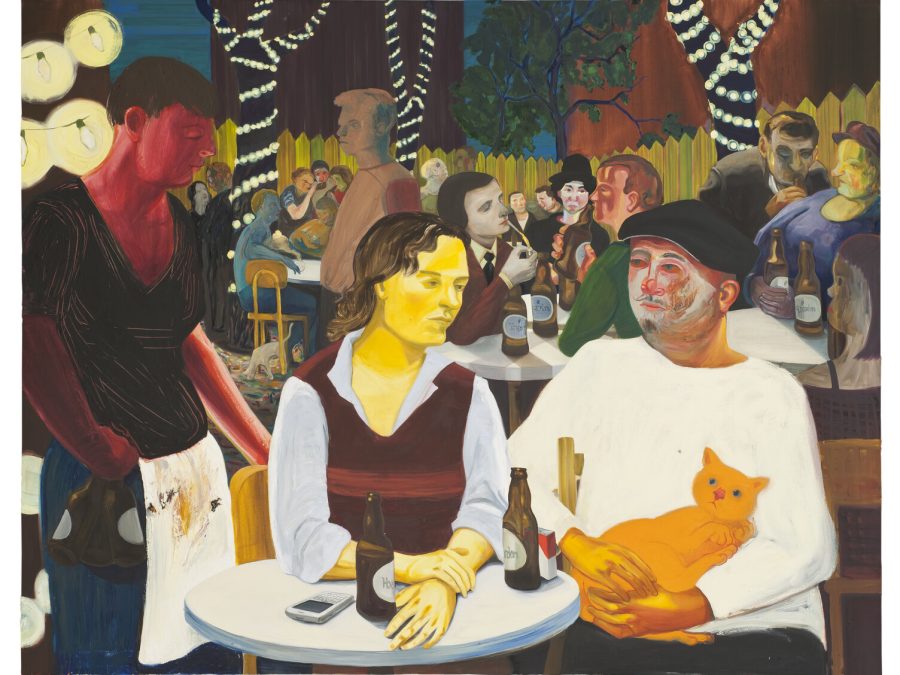
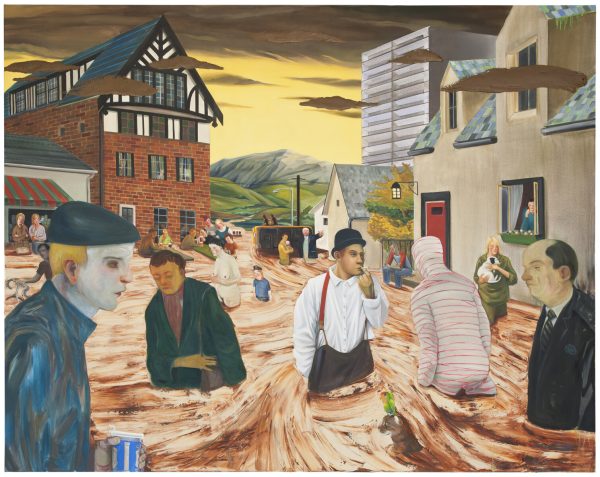
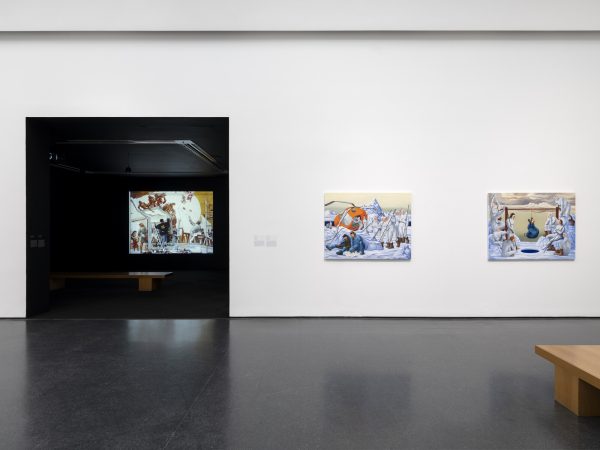
Nicole Eisenman (b. 1965, Verdun, France; lives in Brooklyn, NY), Beer Garden with Ulrike and Celeste, 2009. Oil on canvas; 65 × 82 in. (165.1 × 208.3 cm). Hall Collection.
Image courtesy Hall Collection
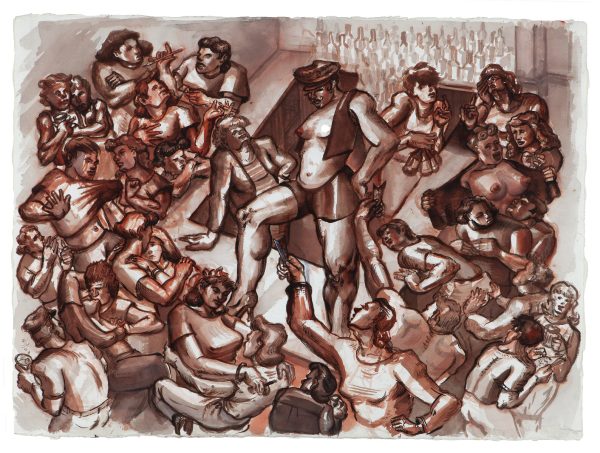
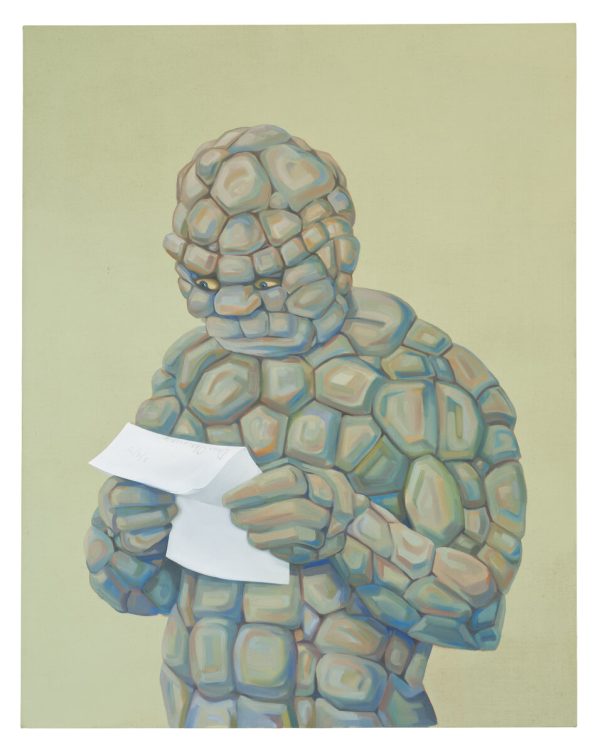
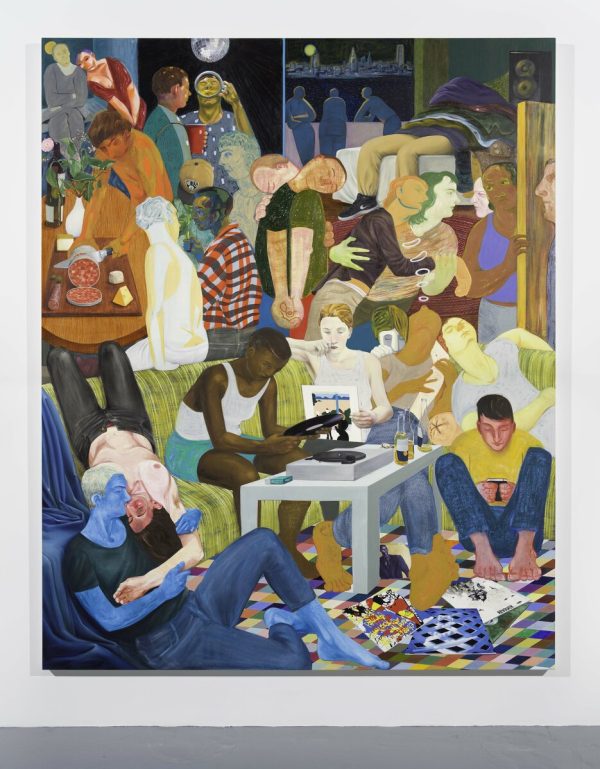
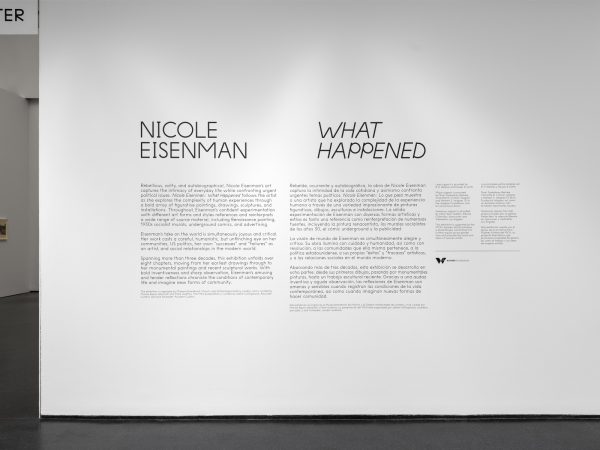
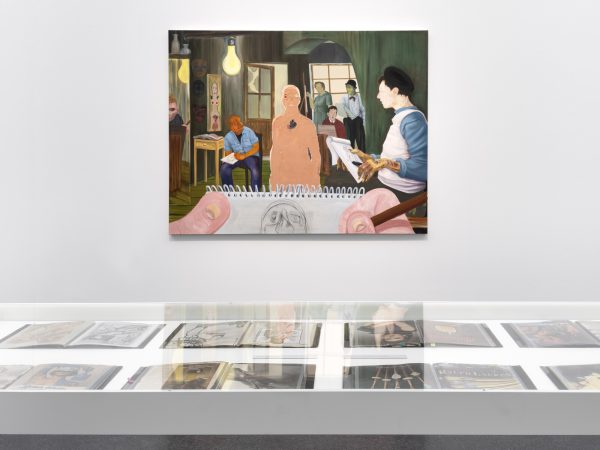
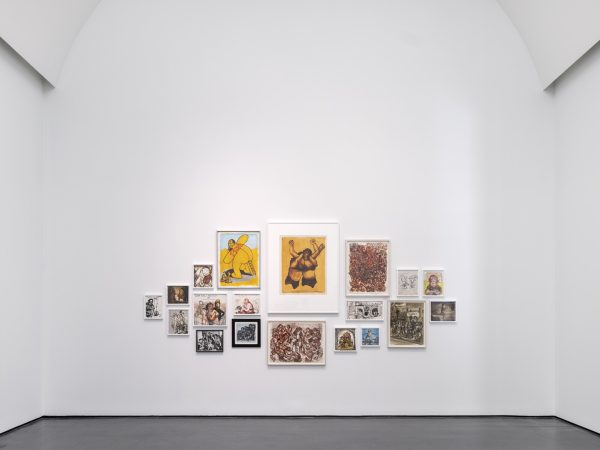
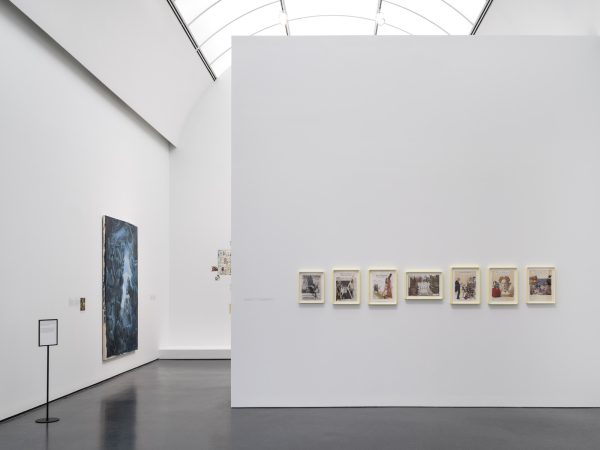
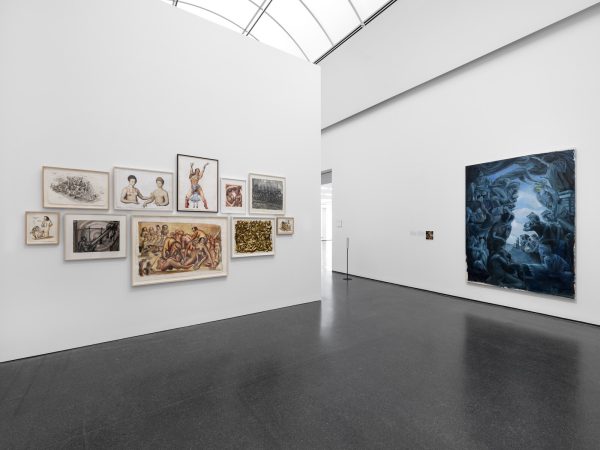
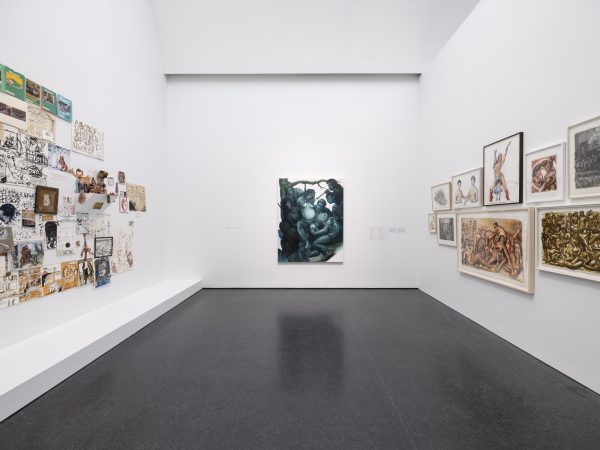
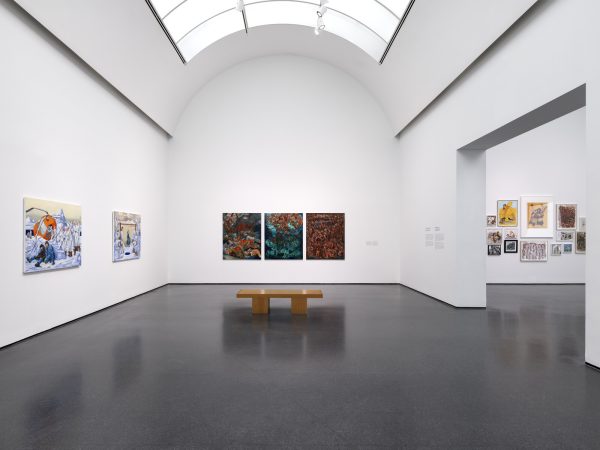
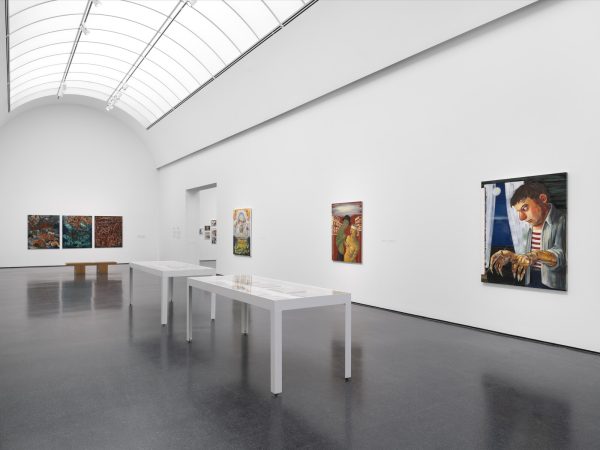
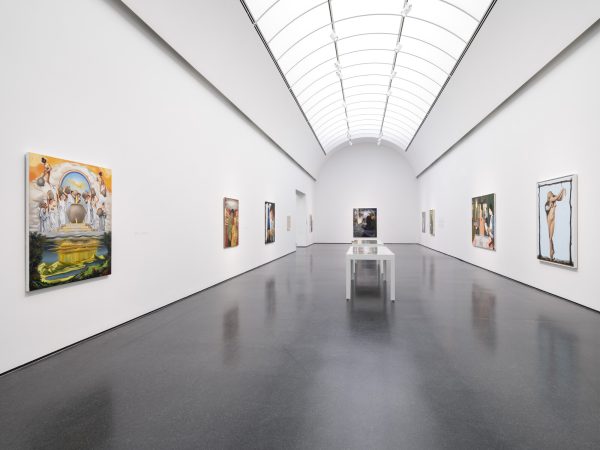
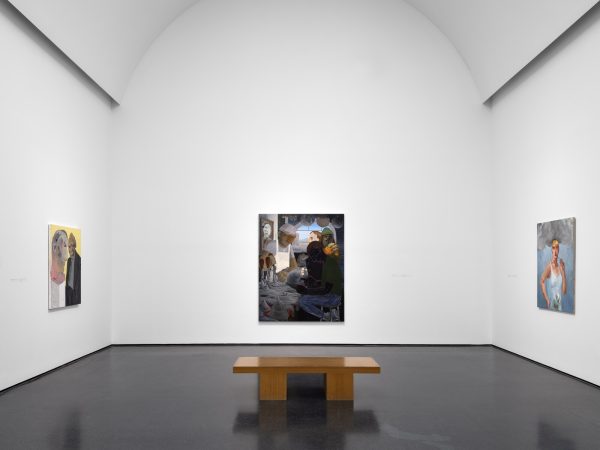
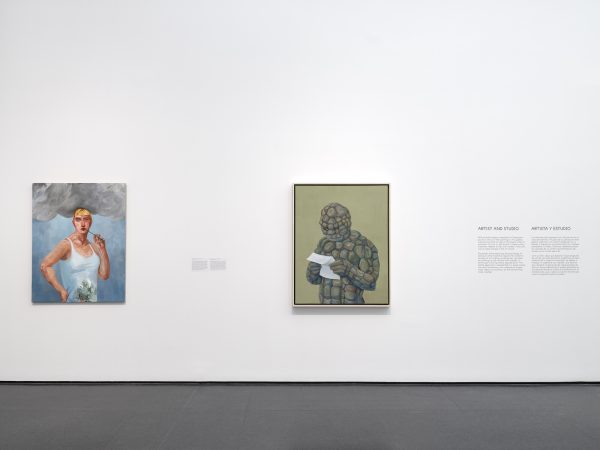
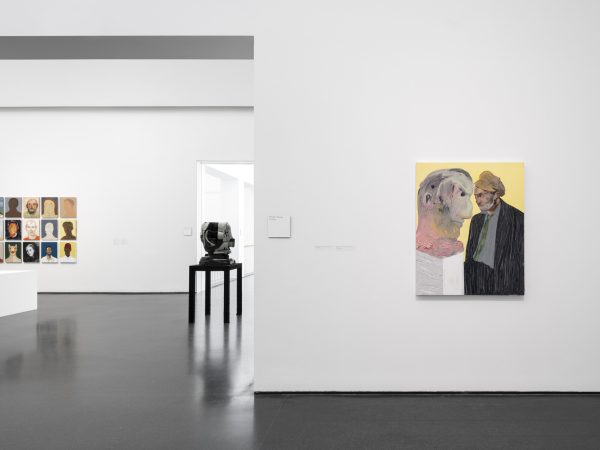
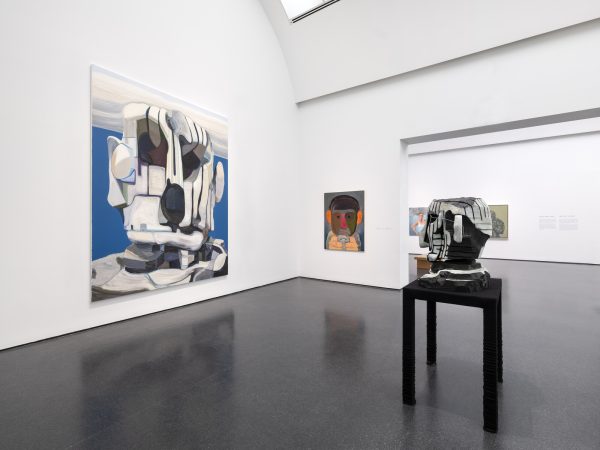
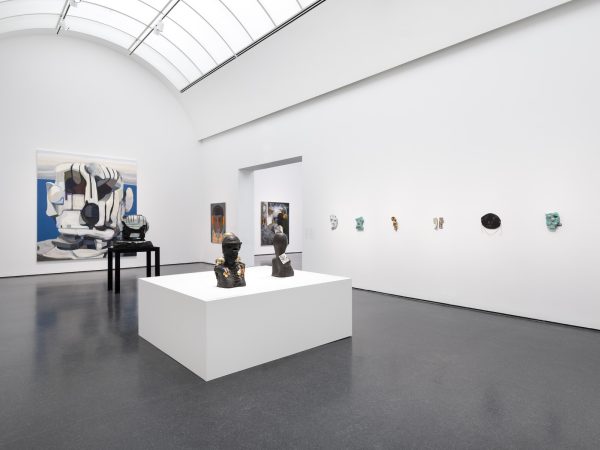
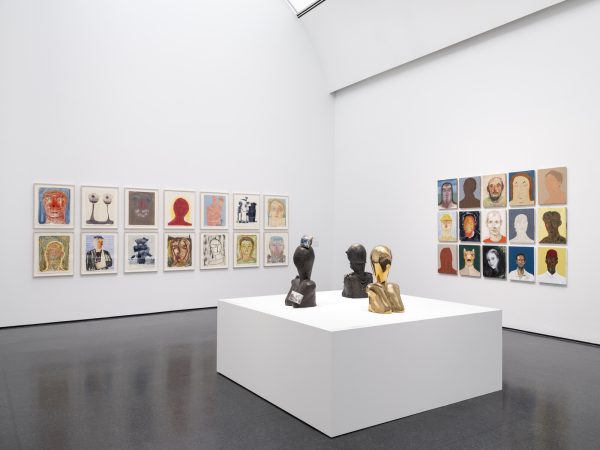
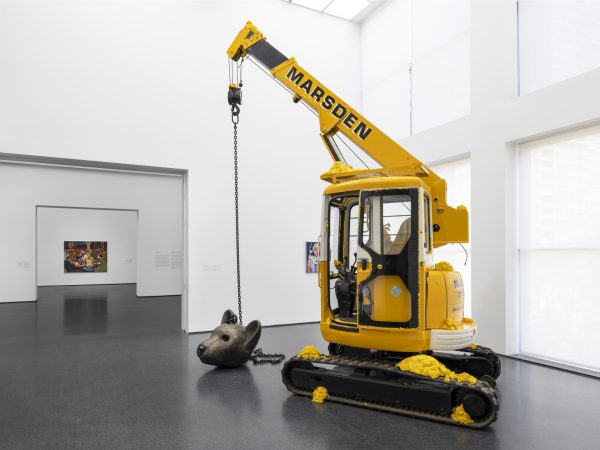
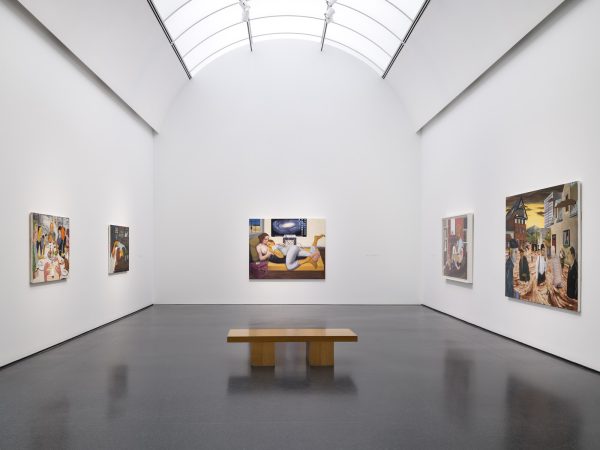
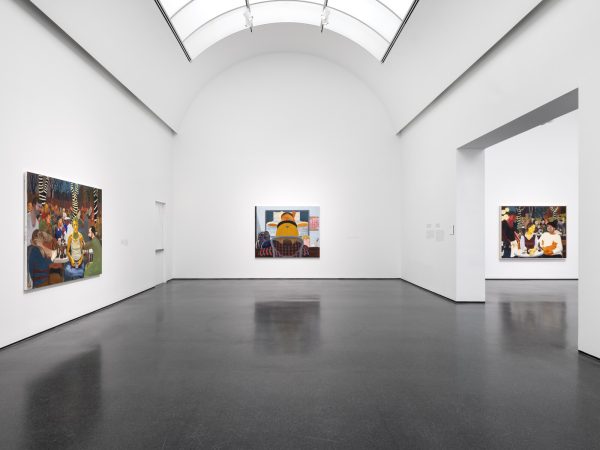
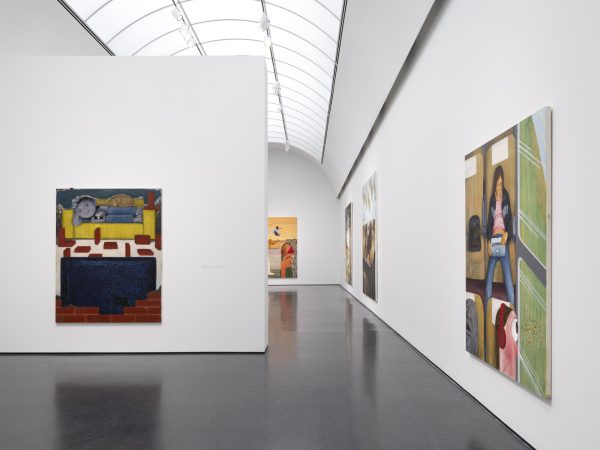
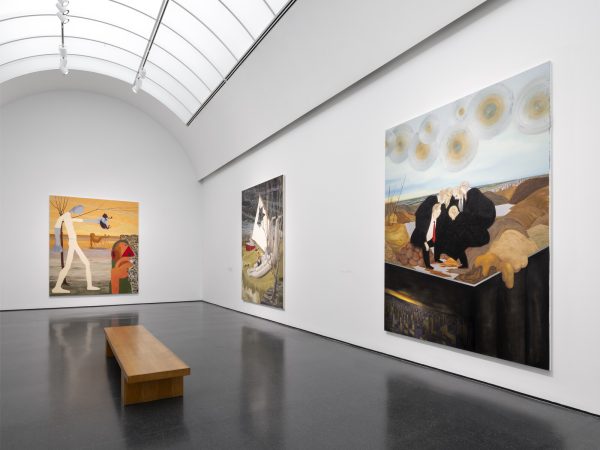
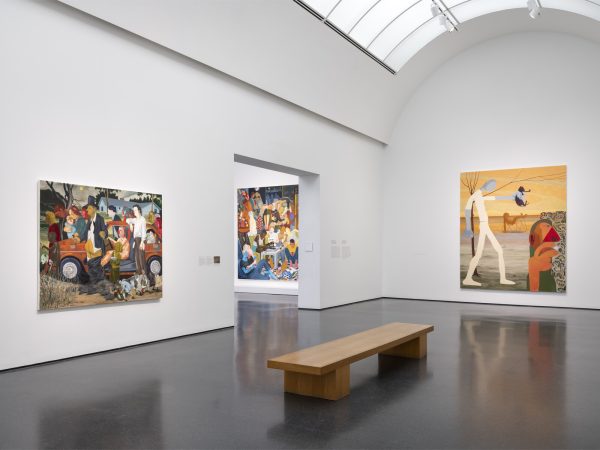
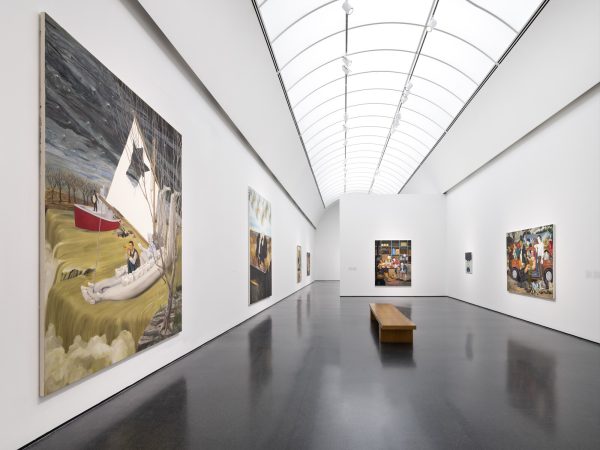
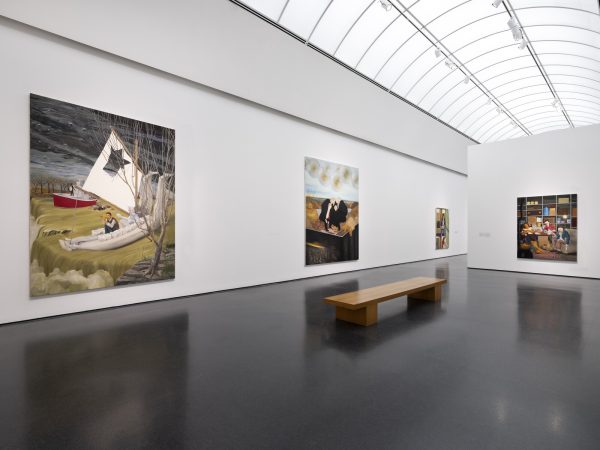
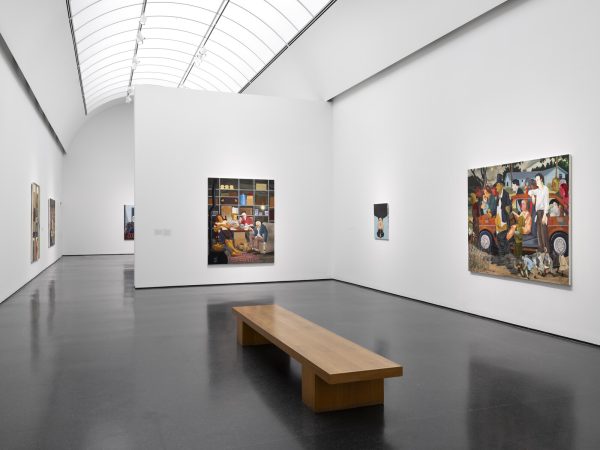
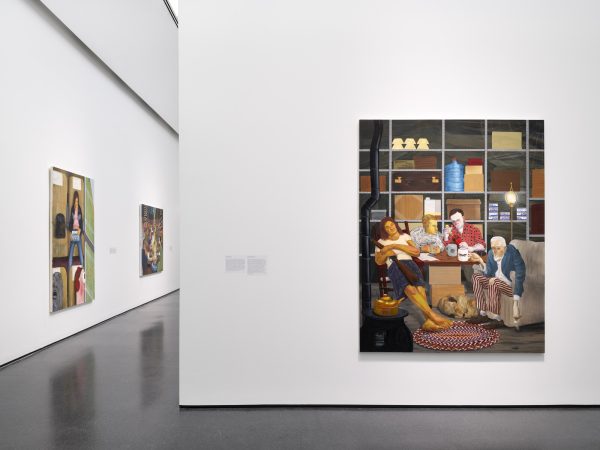
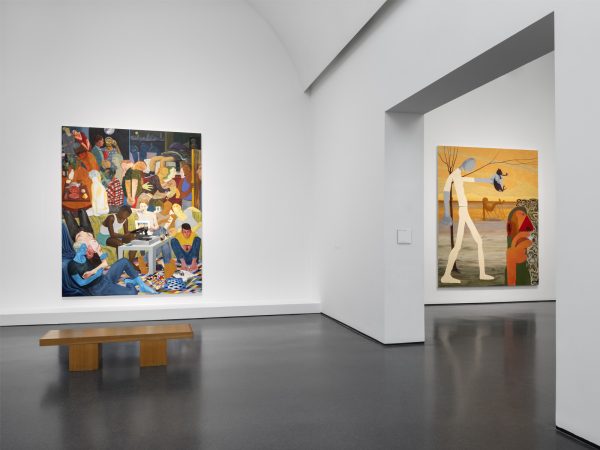
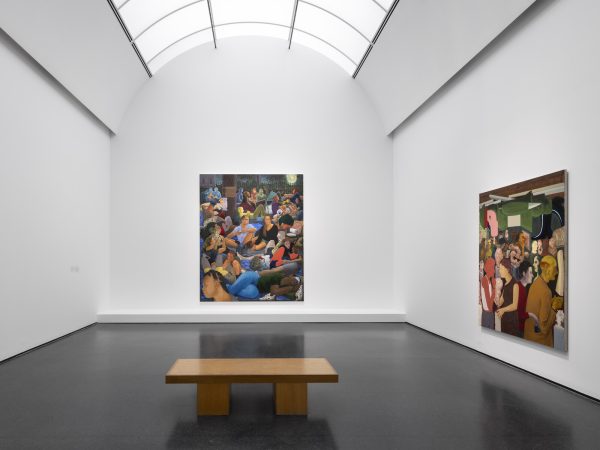
Nicole Eisenman: What Happened is the first major exhibition surveying Nicole Eisenman’s expansive artistic practice, bringing together roughly 100 works produced from 1992 to today. Formally inventive and materially ambitious, Eisenman works across a range of formats and techniques, from painting to drawing to large-scale murals and installations. A similar sense of variety carries forward into the artist’s subject matter, which features an array of cultural and historical sources, including Renaissance painting, underground comics, and 1930s socialist murals, among many others. Through careful juxtaposition and idiosyncratic detail, Eisenman confronts the most pressing crises of our time, examining significant contemporary moments with a style and vision that is entirely her own.
This exhibition, which traces the entirety of Eisenman’s career to date, begins with murals and drawing installations from her time in the New York art scene in the 1990s, and ends with a selection of large vertical paintings that address key political and social concerns shaping the world today. Despite the massive cultural shifts that have taken place in the decades since Eisenman began working, what remains constant throughout her work is the unfailing determination to hold space for resistance, to hold space for community, and to almost always meet the viewer with an anarchic sense of humor.
The exhibition is organized by Museum Brandhorst and Whitechapel Gallery, London, and curated by Monika Bayer-Wermuth and Mark Godfrey. The MCA presentation is curated by Jadine Collingwood, Associate Curator, and Jack Schneider, Assistant Curator.
Carousel: Gallery - Full Size Images
About the Artist
Nicole Eisenman (b. 1965, Verdun, France; lives in Brooklyn, NY) received a BFA from the Rhode Island School of Design in 1987. Eisenman is a MacArthur Foundation Fellow and was inducted into the American Academy of Arts and Letters in 2018. Major works include projects for the 2019 Venice Biennale, 2019 Whitney Biennial, and 2017 Skulptur Projekte Münster. Recent exhibitions include Heads, Kisses, Battles: Nicole Eisenman and the Moderns at Kunsthalle Bielefeld, Bielefeld, Germany (2021), traveling to Aargauer Kunsthaus, Aarau, Switzerland (2022), Fondation Vincent Van Gogh, Arles, France (2022), and Kunstmuseum Den Haag, Netherlands (2022); Nicole Eisenman. Giant Without a Body at the Astrup Fearnley Museum of Modern Art, Oslo, Norway (2021); Nicole Eisenman and Keith Boadwee at the FLAG Art Foundation, New York (2020); Nicole Eisenman. Sturm und Drang at The Contemporary Austin, Austin, TX (2020); Baden Baden Baden at Staatliche Kunsthalle Baden-Baden, Baden-Baden, Germany (2018); Now or Never at Secession, Vienna, Austria (2017); and Al-ugh-ories at New Museum, New York (2016).
Carousel: Installation Views - Full Size Images
Related Events
Transcripts
Find a transcript for the artist’s interview that accompanied the exhibition in English and Spanish.
-
Nicole Eisenman: Hey, Edie?
Jadine Collingwood: Are you trying to sabotage us?
(Jadine laughing)
NE: You can’t do that. You can’t do that.
(Edie meowing)
(music)
NE: When you paint something, you’re doing a kind of meditation on it. Your subconscious brings you a subject that then your conscious mind gets to meditate on for, say, the couple of weeks it takes you to make the painting. And you think about the subject every day, and it’s just a kind of reckoning.
JC: The exhibition starts with your early drawings from the 1990s.
NE: My audience in the nineties was, and I don’t know that it’s changed that much in my head, my audience was really my friends and my community in the East Village, and largely lesbian people and queer people. Outside of that, I wasn’t really concerned with who was looking at the work or who saw the work. Men in general did not fare so well in my work in the nineties, but neither did women, too, everybody got skewered in my work, you know. I’m pretty democratic in who gets skewered. Towards the end of the nineties and the early aughts, I was interested in sort of shifting from myself as subject matter and my psychology and my feelings to a sort of broader social context. So I began looking more at people and at my friends and observing how we socialized, you know, in the early aughts, doing these nights in my studio where friends would come over and draw and we would all model for each other. I think out of that experience came a kind of realization that the intimacy of my social life could be subject matter.
(music)
JC: So then you made a lot of works kind of reflecting on… you know, the contemporary political sphere.
NE: I have an interest in allegory and how to transmute large stories into symbolic image, and it’s a really fun problem as a narrative painter to think about. A lot of this work comes out of a history of political cartoons, but how to do that and infuse it with something more personal. The Triumph of Poverty, that painting shows a kind of frustration at indifference and this feeling that we’re leading ourselves nowhere. We’re rudderless, we’re a rudderless culture. My work is so depressing.
JC: It’s not, though!
NE: It is.
JC: It’s really fun. Okay, so let’s talk about—
NE: No, it’s not, my work isn’t depressing, the world is fucking depressing.
JC: Yes.
NE: Yeah.
JC: Yeah.
NE: Okay.
JC: Let’s talk about that.
NE: The world is depressing, and it shows up in my work, but there’s a lightness and a levity, because that is my survival mechanism. I mean, we have to have a sense of humor, or it’s game over. I mean, it’s really a shit show. But at the same time, I think I’m an optimist. I see myself as seeing the beauty in togetherness and people and community and feeling hopeful. I’ve always been interested in crowds and people together, because it’s a feeling that’s my life raft.
(music)
-
Nicole Eisenman: Oye, ¿Edie?
Jadine Collingwood: ¿Estás tratando de sabotearnos?
(Jadine ríe)
NE: No puedes hacer eso. No puedes hacer eso.
(Edie maúlla)
(música)
NE: Cuando pintas algo, estás haciendo una especie de meditación sobre ello. Tu subconsciente te trae un tema que luego tu mente consciente puede meditar, digamos, durante las dos semanas que te lleva hacer la pintura. Y piensas en el tema todos los días, y es como un ajuste de cuentas.
JC: La exposición comienza con tus primeros dibujos de la década de 1990.
NE: Mi audiencia en los años 90 era, y no sé si ha cambiado mucho en mi cabeza, mi audiencia era realmente mis amigos y mi comunidad en el East Village, y en su mayoría personas lesbianas y queer. Fuera de eso, no me preocupaba mucho quién veía mi trabajo o quién lo tomaba en cuenta. Los hombres en general no salían muy bien parados en mi trabajo en los años 90, pero tampoco las mujeres, todos eran objeto de crítica en mi trabajo, ¿sabes? Soy bastante democrática en cuanto a quién critico. Hacia finales de los años 90 y principios de los años 2000, me interesaba cambiar de mí misma como tema y mi psicología y mis sentimientos a un contexto social más amplio. Así que comencé a mirar más a la gente y a mis amigos y observar cómo socializamos, sabes, a principios de los años 2000, haciendo estas noches en mi estudio donde los amigos venían y dibujábamos y todos modelábamos el uno para el otro. Creo que de esa experiencia surgió una especie de entendimiento de que la intimidad de mi vida social podría ser material de trabajo.
(música)
JC: Entonces, hiciste muchas obras que reflejaban, ya sabes, la esfera política contemporánea.
NE: Tengo un interés en la alegoría y en cómo transmutar grandes historias en imágenes simbólicas, y es un problema realmente divertido como pintora narrativa pensar en eso. Gran parte de este trabajo surge de una historia de caricaturas políticas, aunque cómo hacer eso e infundirlo con algo más personal. El triunfo de la pobreza, esa pintura muestra una especie de frustración ante la indiferencia y este sentimiento de que nos dirigimos hacia ninguna parte. Estamos sin rumbo, somos una cultura sin rumbo. Mi trabajo es tan deprimente.
JC: ¡No lo es!
NE: Sí lo es.
JC: Es realmente divertido. De acuerdo, entonces hablemos de
NE: No, no lo es, mi trabajo no es deprimente, el mundo es deprimente.
JC: Sí.
NE: Sí.
JC: Sí.
NE: De acuerdo.
JC: Hablemos de eso.
NE: El mundo es deprimente, y se refleja en mi trabajo, pero hay ligereza y alegría, porque esa es mi estrategia de supervivencia. Quiero decir, tenemos que tener un sentido del humor, o será el fin del juego. Quiero decir, realmente es un desastre. Pero al mismo tiempo, creo que soy una optimista. Me veo a mí misma como alguien que ve la belleza en la unión y la comunidad y siente esperanza. Siempre he estado interesada en multitudes y personas juntas, porque es un sentimiento que es mi balsa salvavidas.
(música)
Funding
Lead support is provided by R. H. Defares and Hauser & Wirth.
Major support is provided by Shari Dunkelman Behnke, Charlotte R. Cramer Wagner and Herbert S. Wagner III of the Wagner Foundation, and an anonymous donor.
Generous support is provided by Anton Kern Gallery; Rennie Collection, Vancouver; and Vielmetter Los Angeles.
Additional support is provided by Dr. Daniel S. Berger.
This project was partially funded by a grant from the Illinois Department of Commerce and Economic Opportunity, Office of Tourism.
This exhibition is supported by the MCA’s Women Artists Initiative, a philanthropic commitment to further equity across gender lines and promote the work and ideas of women artists.