Exhibition
Direct Message: Art, Language, and Power
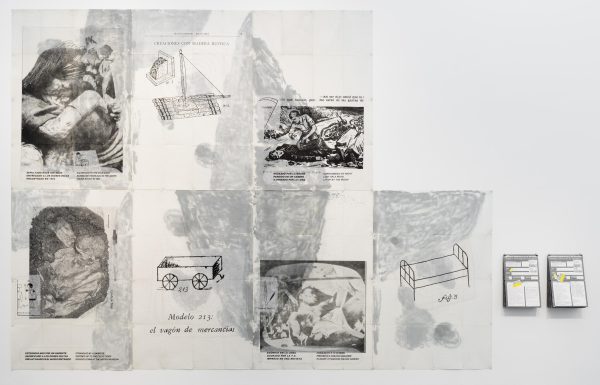
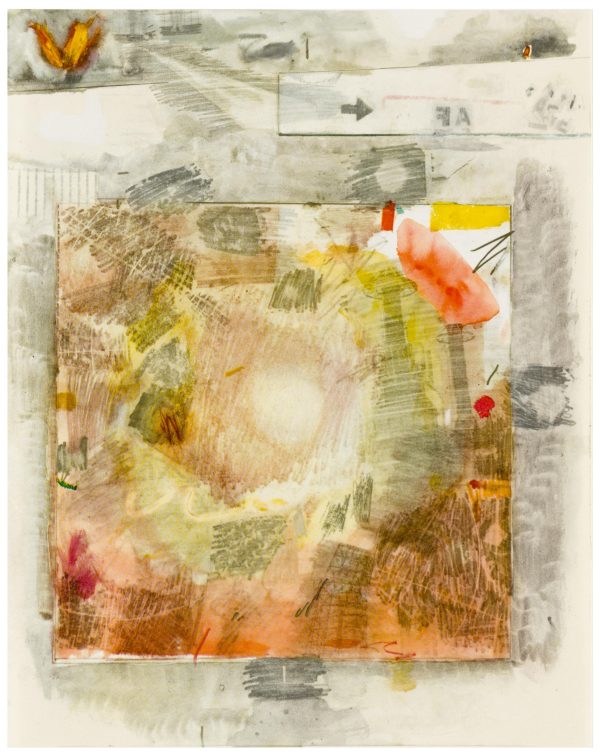
Artwork Images - Full Size Images
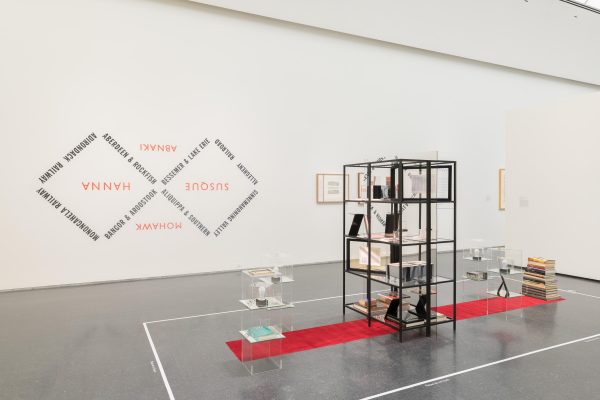
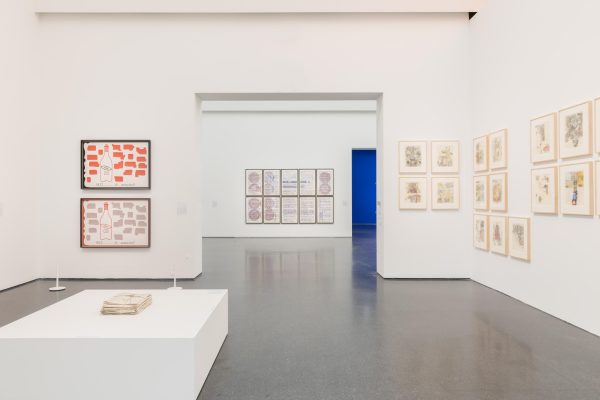
Our lives are shaped by language: the signs we follow, the news we read, and the grammar of these forms all dictate how we experience the world. Direct Message: Art, Language, and Power focuses on the ways artists reveal patterns within communication, exploring how shared media platforms shape our lives. Proceeding from a belief in the power of language as the basis for our outlook and actions, the exhibition considers the ways artists rearrange and reconfigure communication structures as starting points for social critique and political inquiry.
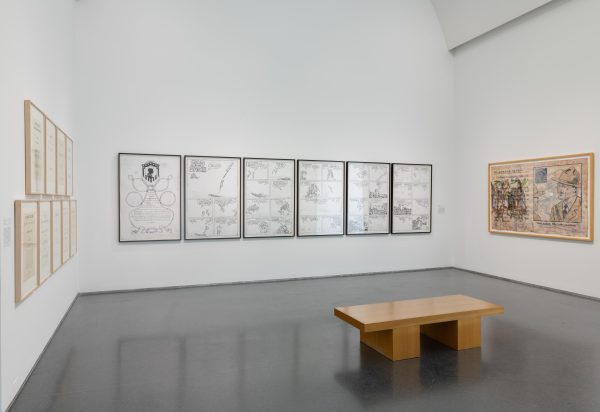
Media- and language-based art, often considered to be separate strands of artistic practice, are brought together for this exhibition. This exhibition looks back to the ways artists used text in visual art beginning in the 1960s, providing a useful lens for understanding the ways language and media operate today. By inviting audiences to both read and look, artists and collectives such as Art & Language, Mel Bochner, and Charles Gaines emphasized the importance of grammar, structures, and systems as foundational for the representation of all forms. Their work informed subsequent generations of artists featured in this exhibition who conceal, annotate, and remix conventional modes of communication, challenging the standards that structure language and, by extension, power.
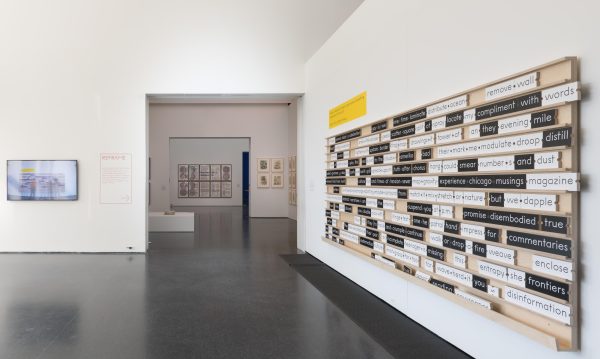
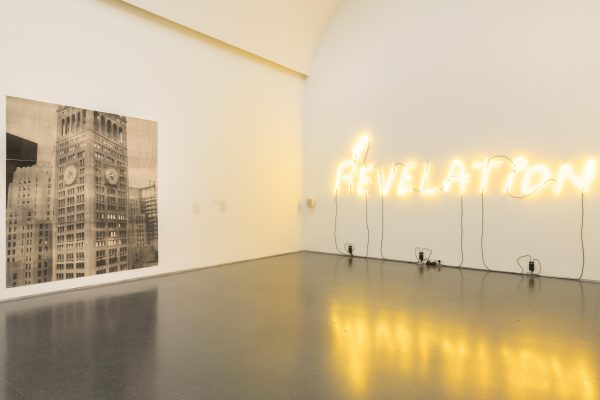
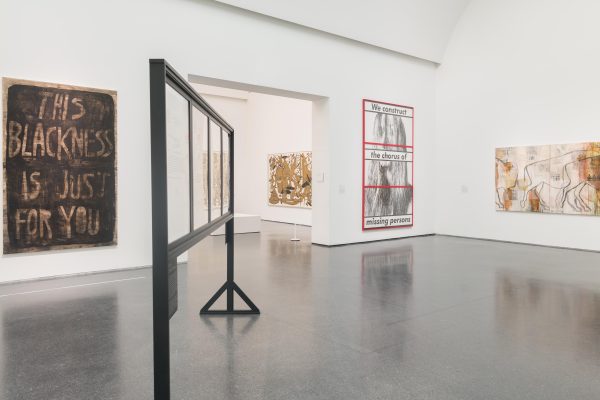
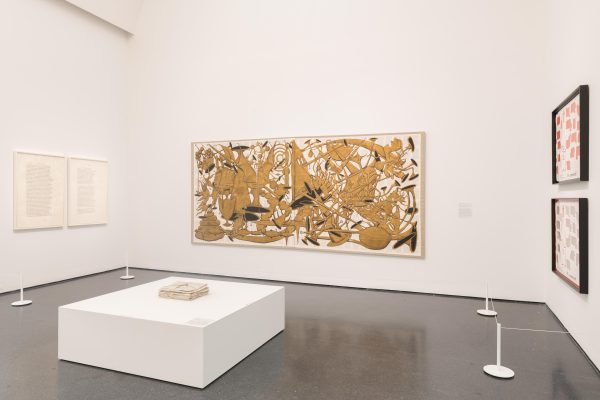
The exhibition is divided into four thematic sections exploring shared approaches and processes among intergenerational artists. The first section, Remove, explores the erasure of text from sources such as newspapers and the ways this gesture reveals new meanings and subtexts embedded in the original forms. Review presents a sampling of artists transforming historic materials such as television broadcasts and written narratives in order to uncover how the past continues to inform the present in subtle and unacknowledged ways. Reframe focuses on the ways artists appropriate a myriad of communication forms including logos, slogans, and other forms of public information as a means of turning a critical lens on these structures. Recode, the final section, considers the ways artists rearrange and reconfigure language and its symbols in order to uncover hidden information and difficult truths. The exhibition demonstrates the ways that artists across generations directly address the relationship between our shared language and a range of systemic issues—including censorship, surveillance, and state-sanctioned violence— while envisioning alternative possibilities.
The exhibition also includes a screening of three short works organized by Christy LeMaster, Assistant Curator of Performance and Public Practice, and a workshop space created for ongoing conversation and workshops hosted by the MCA’s community partners and organized by Gibran Villalobos, Assistant Curator of Performance and Public Practice.
This exhibition is organized by former MCA Assistant Curator Grace Deveney, with MCA Curatorial Assistant Jack Schneider.
About the Sections
-
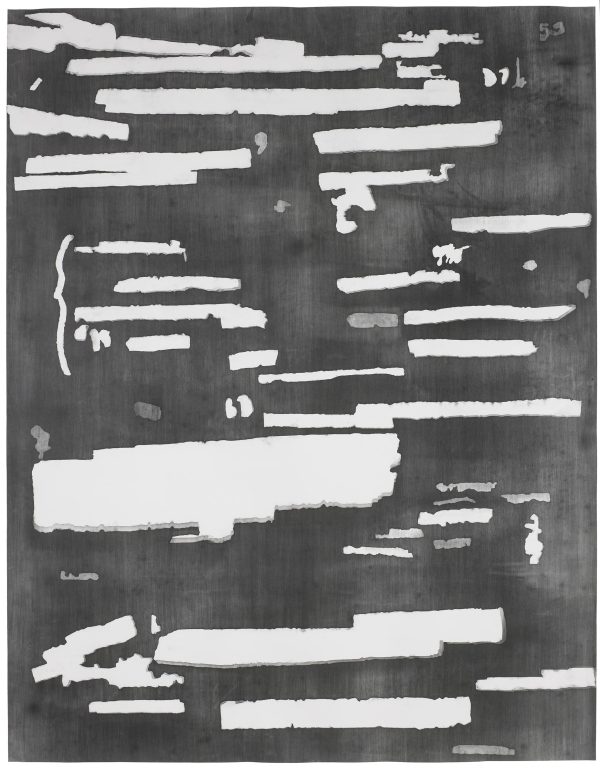
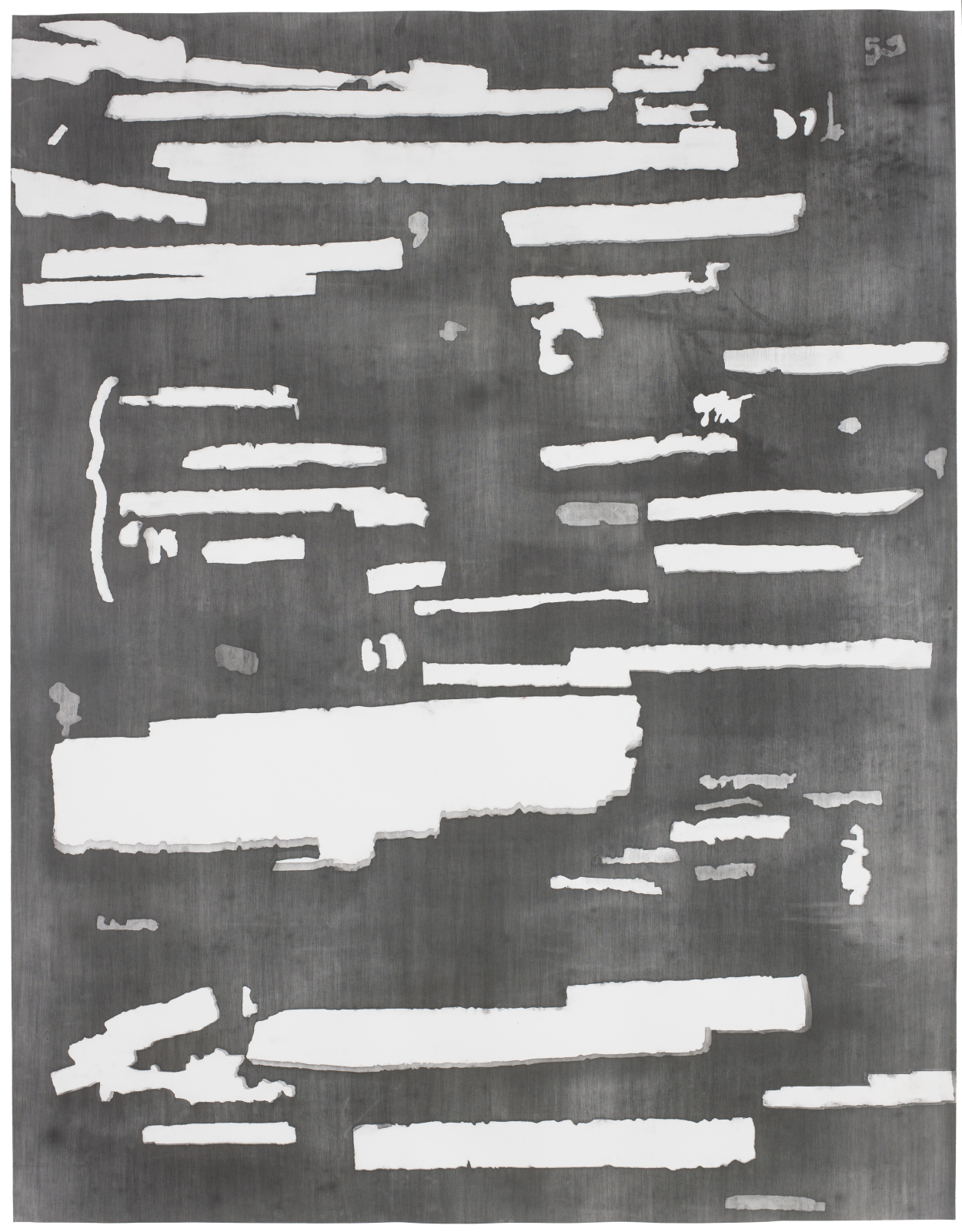
Artworks in this section explore the meanings that emerge when text is erased. Jamal Cyrus extracted and layered pages of Malcolm X’s FBI file, removed the text and inverted the redacted areas to create Cultr-Ops. The result resembles a musical score that shows his revisionist approach to Black history and culture.
-
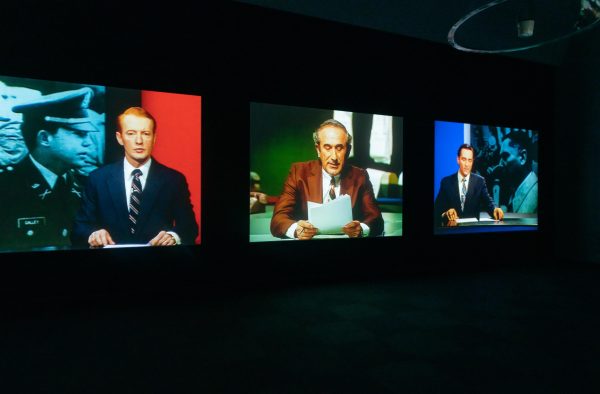
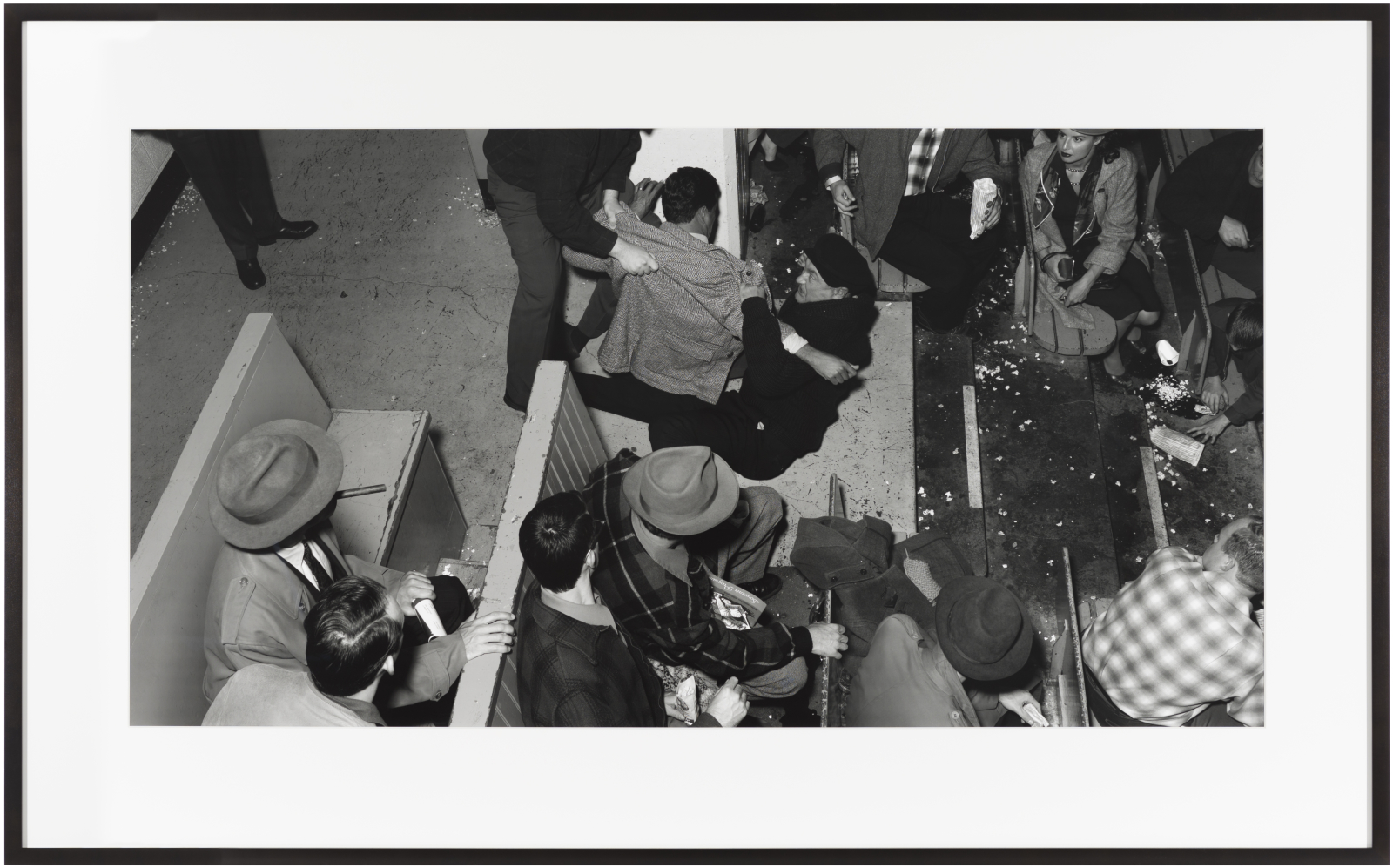
This section scans the transformation of historic materials and how looking back can point us forward. To create Evening, Stan Douglas drew from late 1960s archival news footage and hired actors to reenact the broadcasts. His reconstruction shines a stark light on the media’s disconnected tone during a time of American unrest.
-
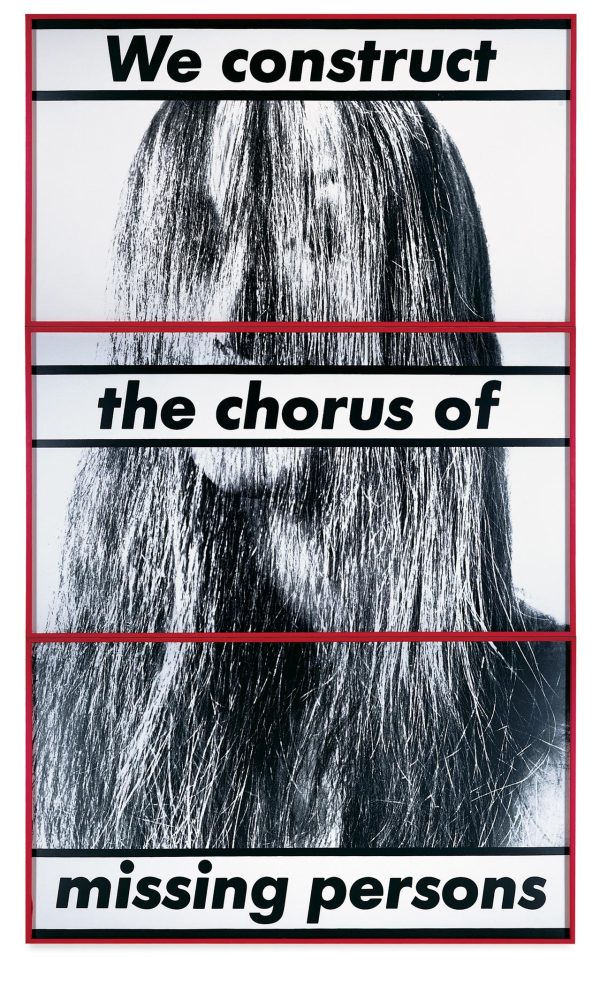
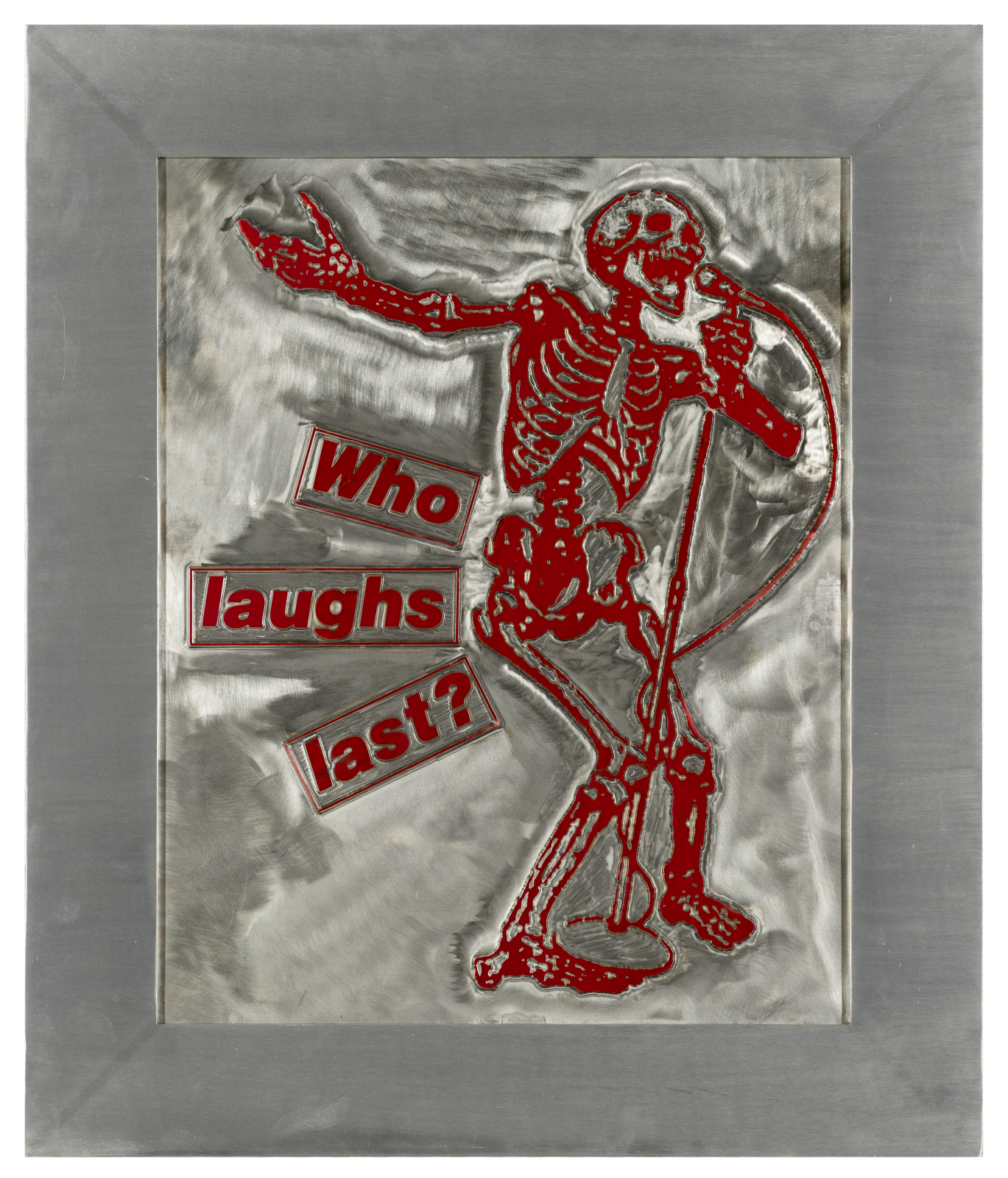
These works focus on the appropriation of literature and mass media and what it can teach us about the public space. Barbara Kruger uses the visual language of advertising in Untitled (We construct the chorus of missing persons) to criticize how social norms are crafted and propagated by the media. Combining text and image, Kruger inverts the power of advertising to deliver a powerful feminist critique.
-
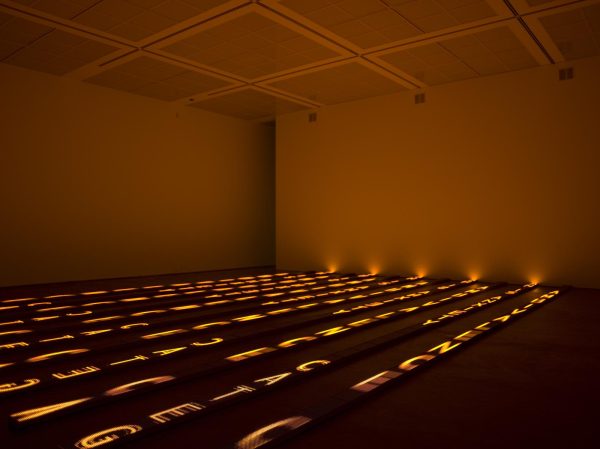
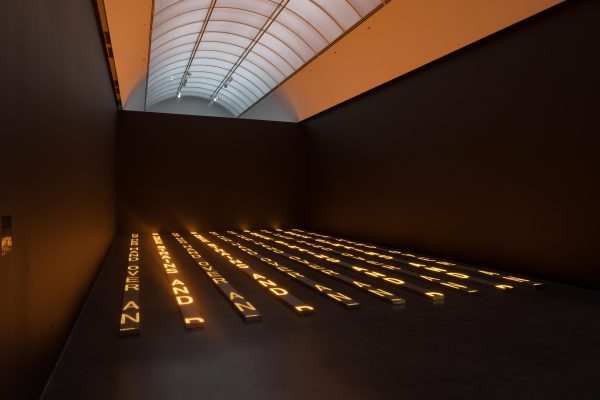
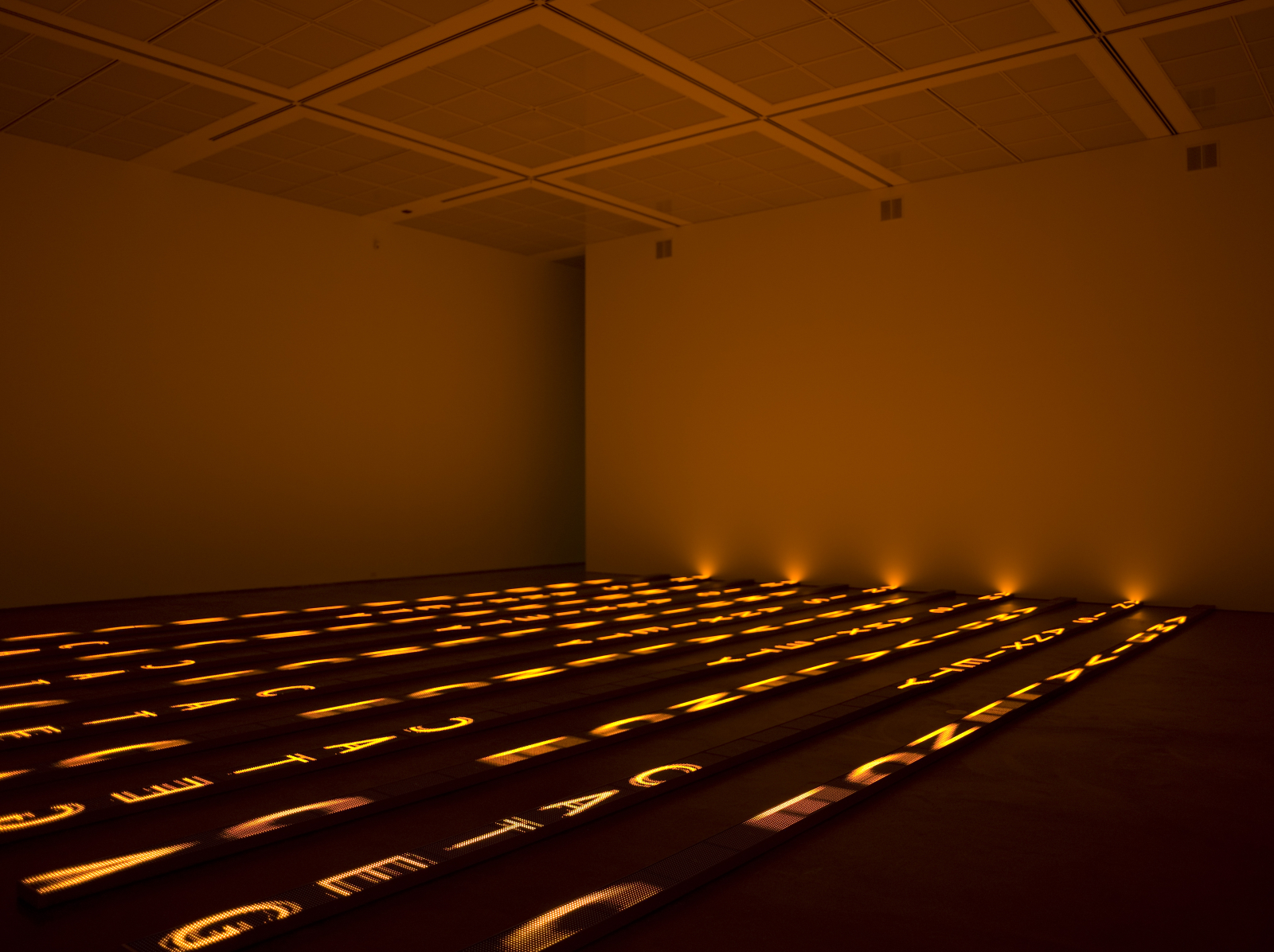
The section uncovers hidden truths about language by rearranging and reconfiguring its symbols. In an immersive installation, Jenny Holzer presents her signature style of working with LED lights programmed with a retrospective of her writings. For Chicago is back on view for the first time in 10 years, when it was originally commissioned by the MCA.
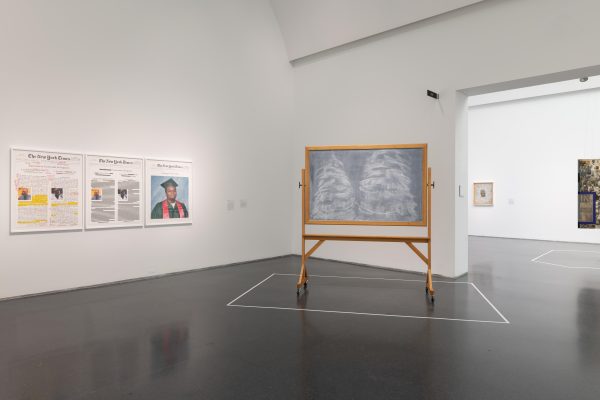
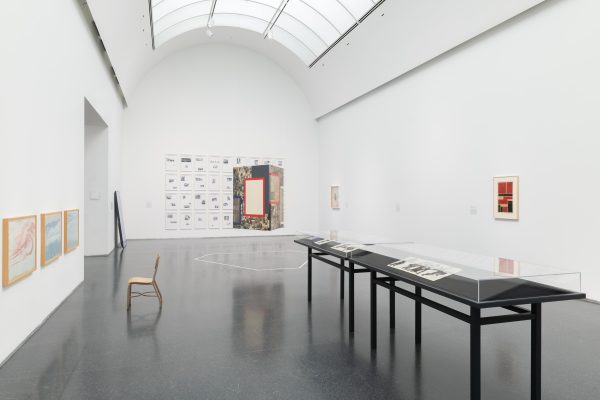
Carousel: Installation Views - Full Size Images
Featured Artists
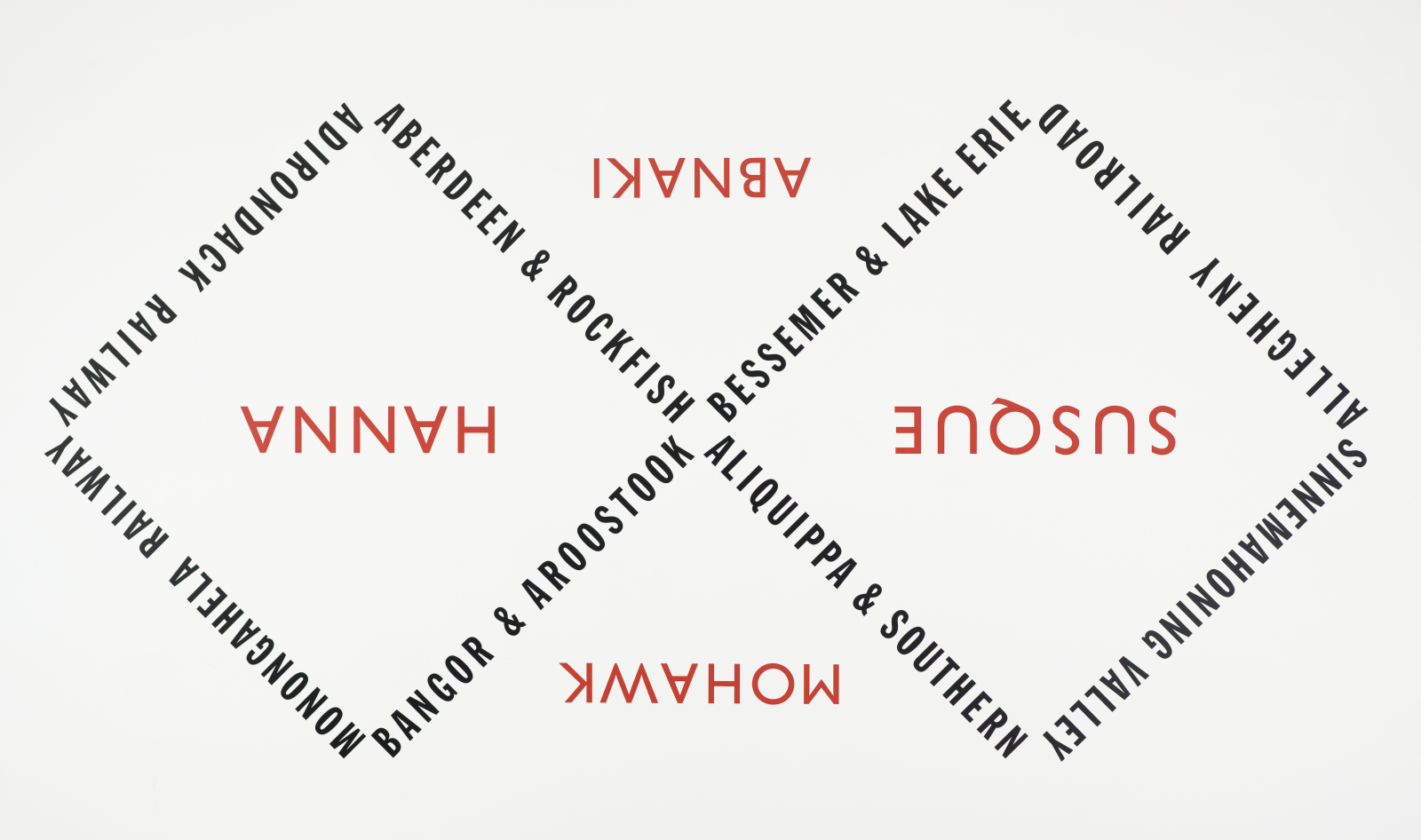
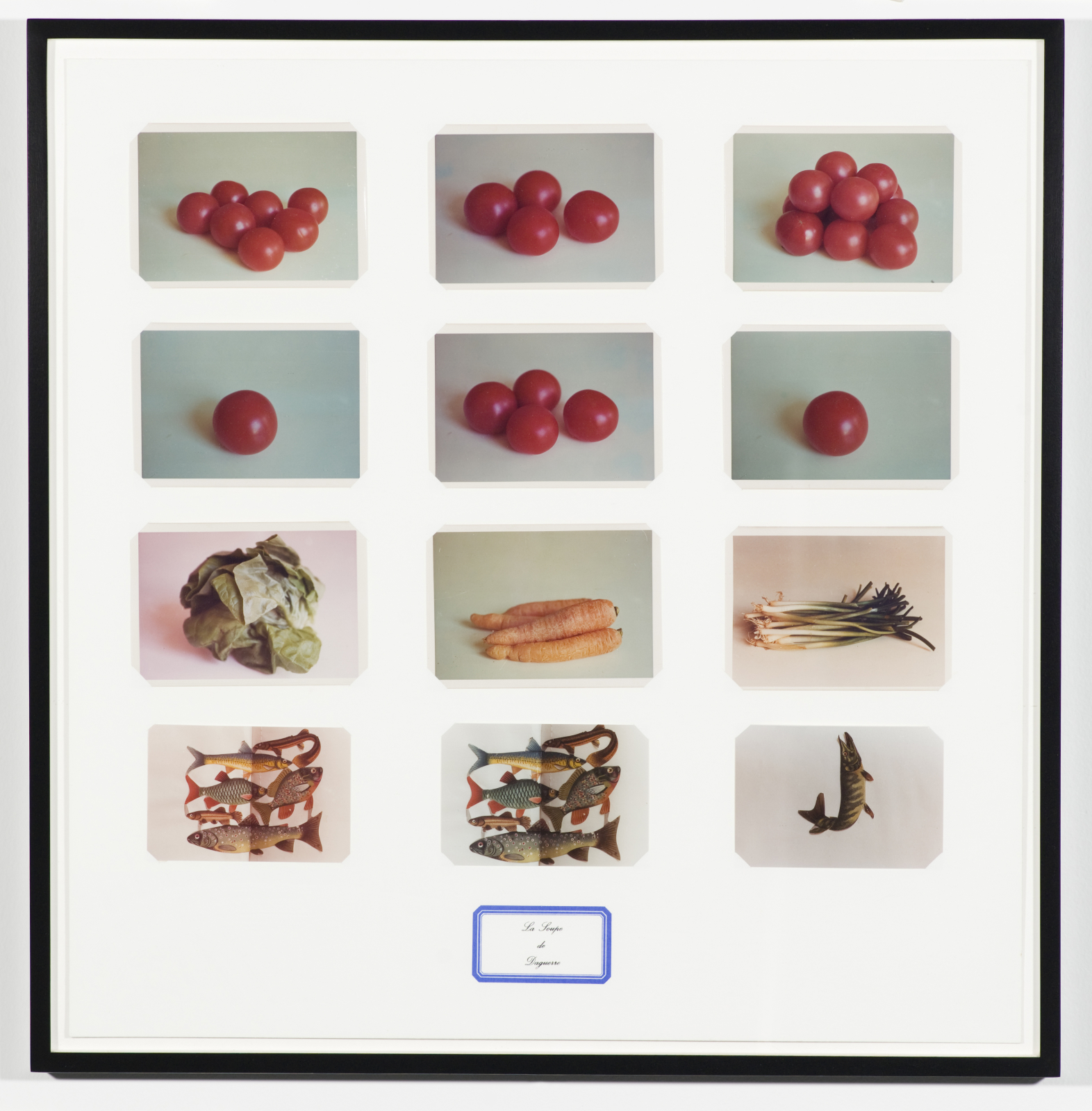
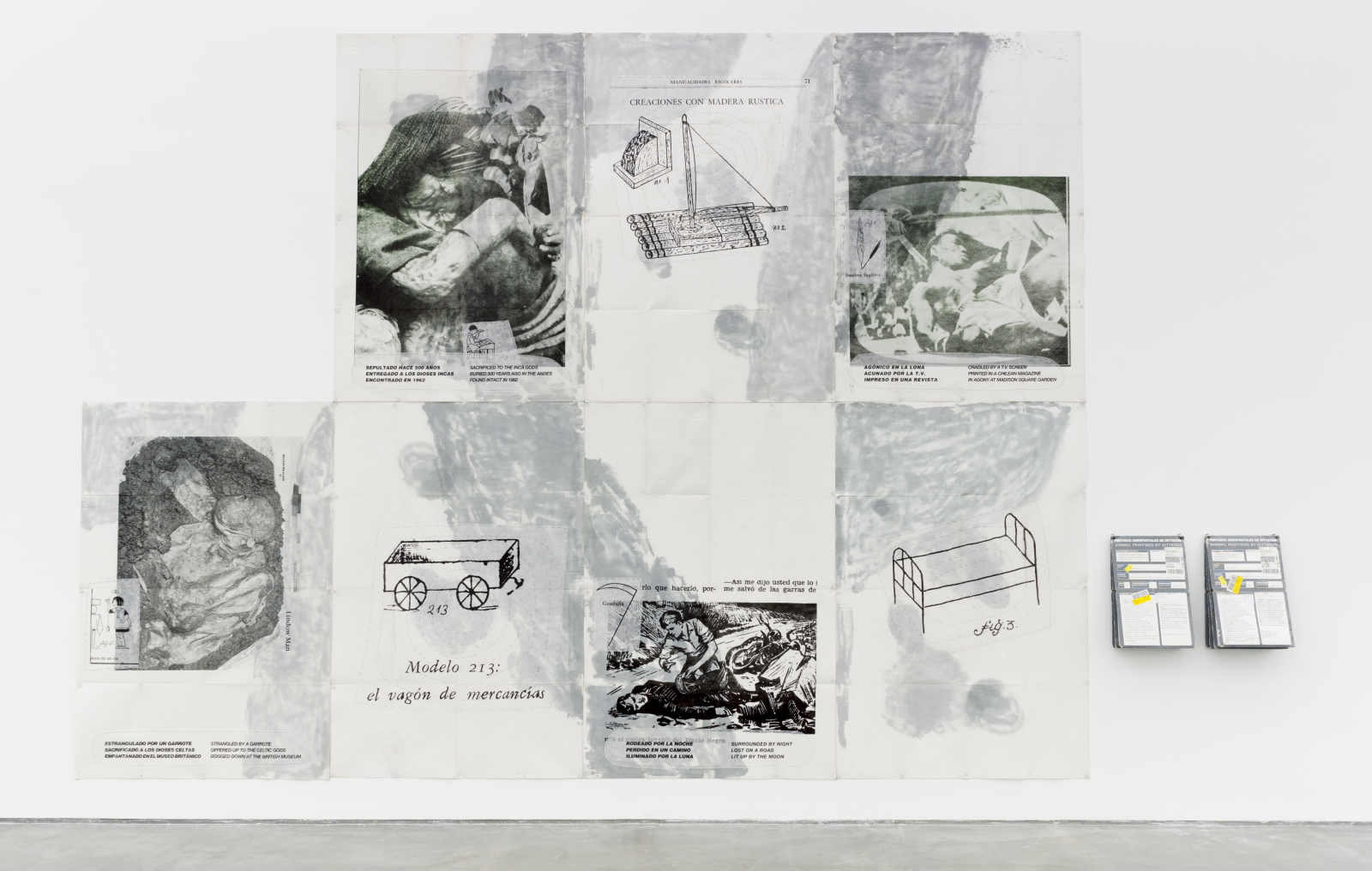
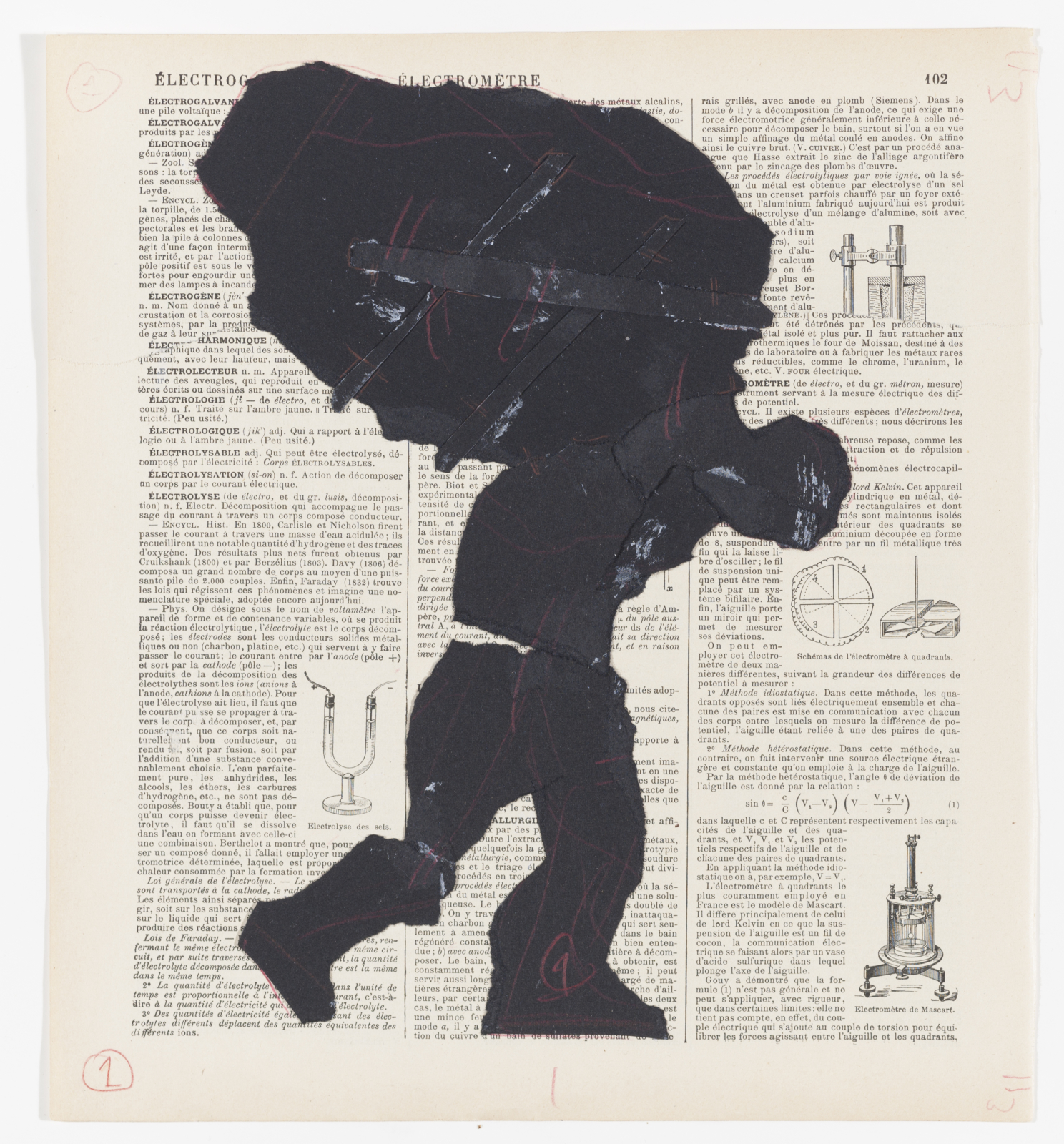
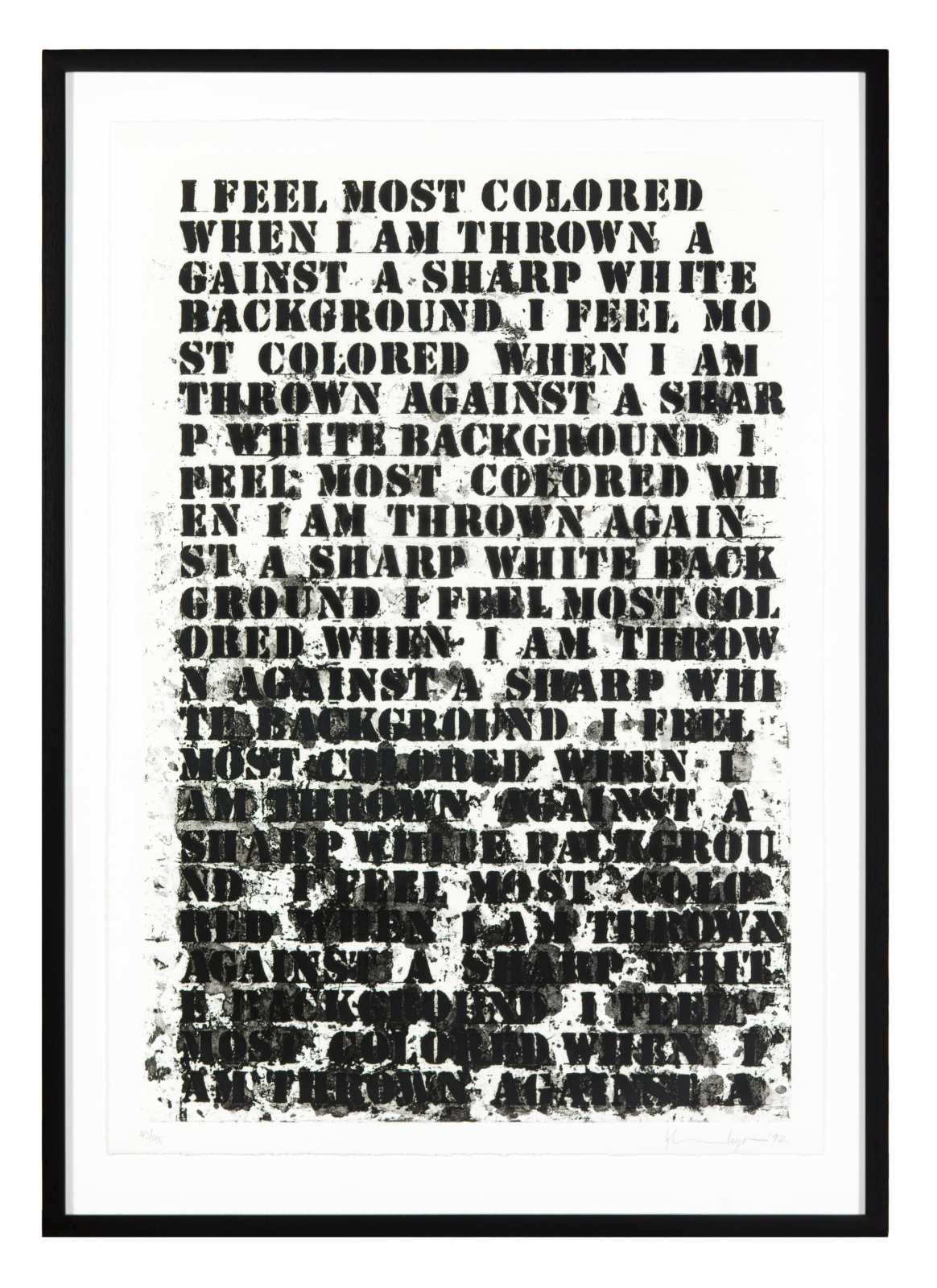
Related Events
-
-
-
-
-
-
-
Accessibility
American Sign Language Tour and Tea: Direct Message: Art, Language, and Power
Jan 07, 2020
6 pm–7:30 pm
Related Content
-
Exhibition Transcripts
Find transcripts, organized alphabetically, for video and audio works featured in "Direct Message: Art, Language, and Power." -
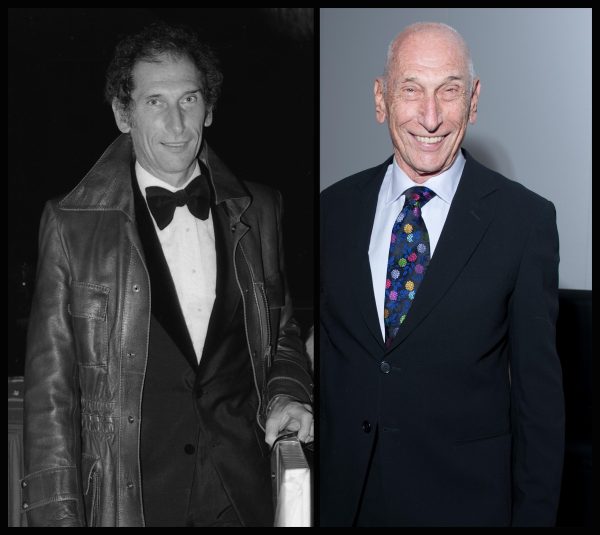
Thanking Stefan
Acquired through the Edlis/Neeson Art Acquisition Fund, Jenny Holzer's "For Chicago" would not be in the MCA Collection without Stefan T. Edlis.
Funding
Lead support for Direct Message: Art, Language, and Power is provided by the Harris Family Foundation in memory of Bette and Neison Harris: Caryn and King Harris, Katherine Harris, Toni and Ron Paul, Pam Szokol, Linda and Bill Friend, and Stephanie and John Harris; Zell Family Foundation; Cari and Michael Sacks; and the Nancy Lauter McDougal and Alfred L. McDougal Exhibition Fund.
Major support is provided by Julie and Larry Bernstein and Karyn and Bill Silverstein.
Generous support is provided by Vicki and Bill Hood.