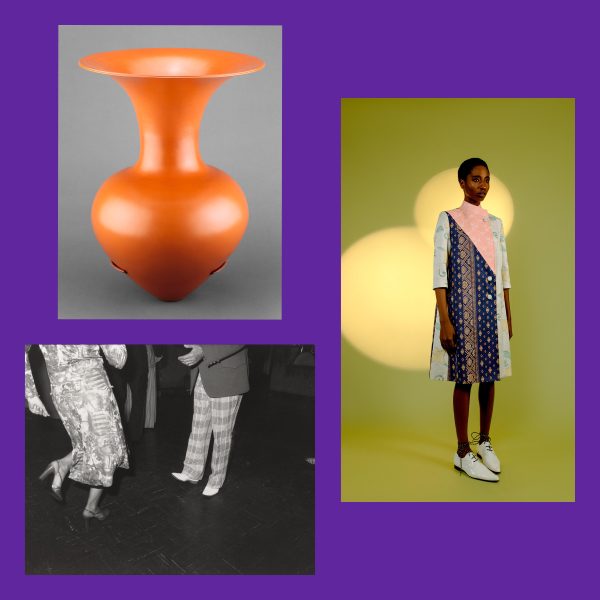
Editorial
Duro Olowu: Seeing Chicago Virtual Gallery
We invite you to explore Duro Olowu: Seeing Chicago online through audio recordings with the guest curator, artwork images, exhibition texts, and in-gallery videos. Speakers include Duro Olowu and Naomi Beckwith. Quotes are selected from archival interviews with Lorna Simpson, Jack Whitten, Richard Hunt, Roger Brown, Kerry James Marshall, and Shirin Neshat.
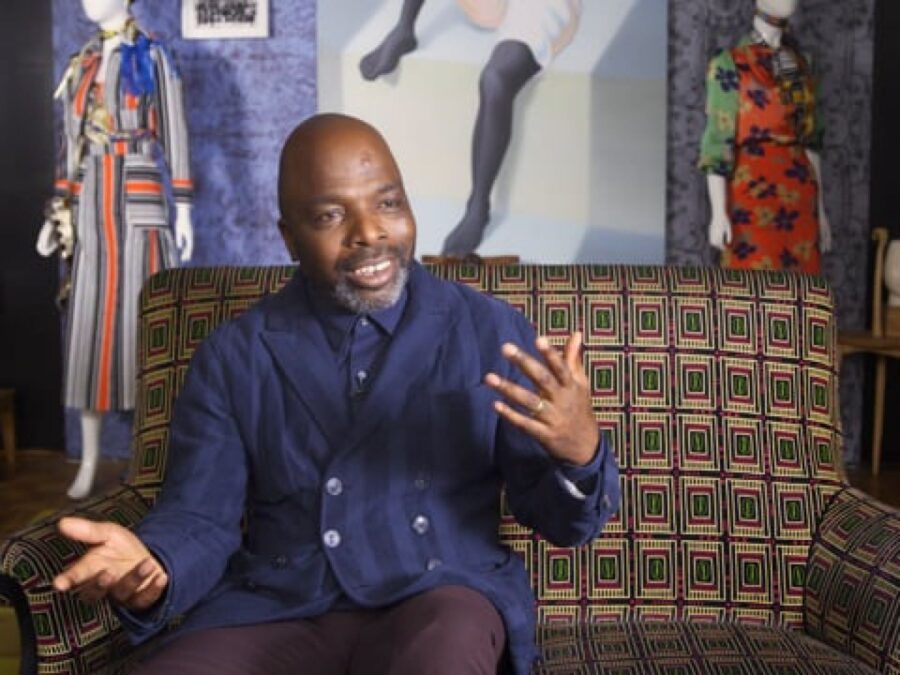
Duro Olowu believes in the idea of the “second look”—that there is meaning in the act of seeing something again and, perhaps, anew. The Nigerian-born British fashion designer credits this belief to his being raised in a multicultural family and his frequent international travels. From this cosmopolitan background, Olowu has gained a sensitivity to the expression of individual cultures. This awareness and reverence informs both Olowu’s work as a fashion designer and his skill in combining multiple cultural influences together as a curator.
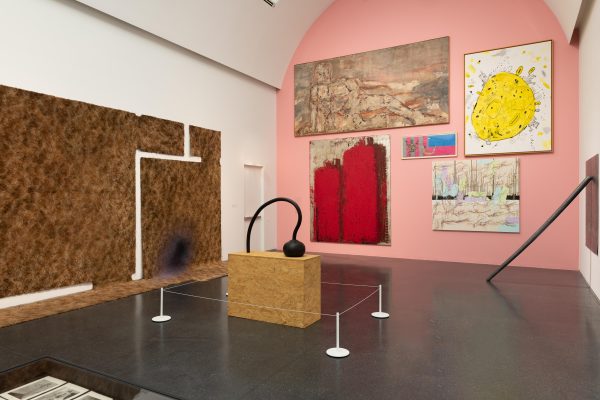
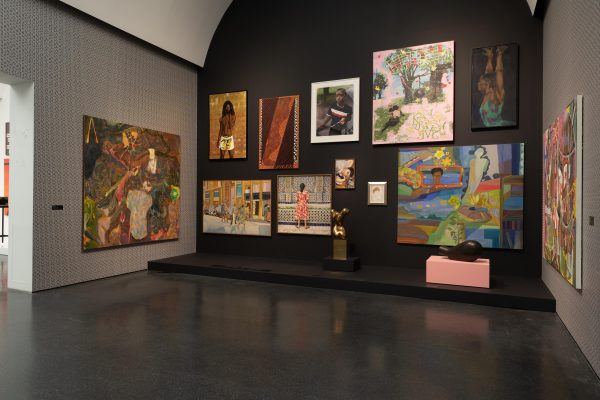
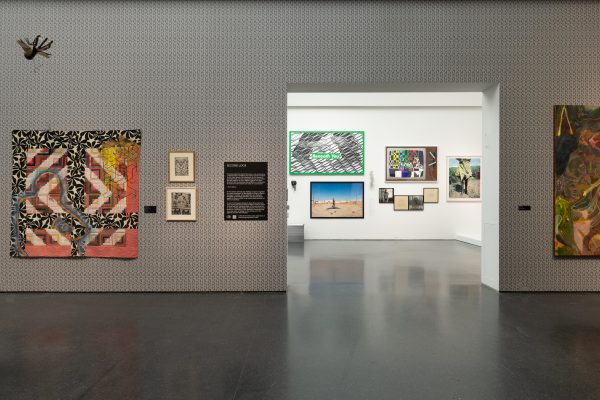
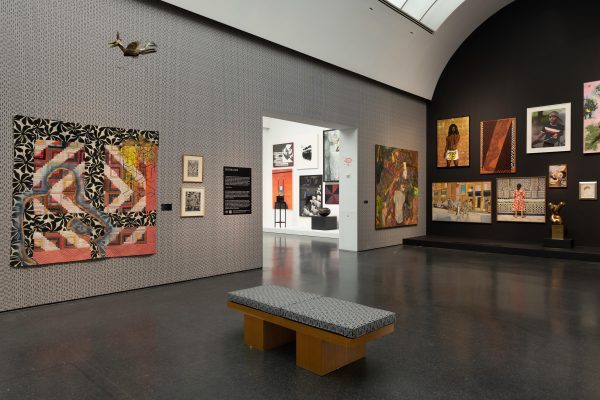
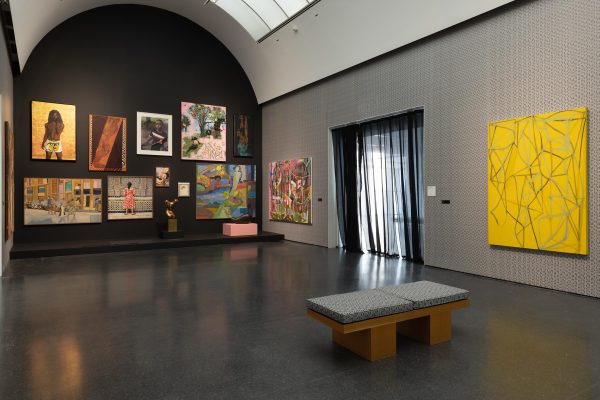
For Duro Olowu: Seeing Chicago, the guest curator lends this transcultural perspective to the renowned institutions, museums, and private art holdings of Chicago. Starting with works in the MCA Collection and drawing art and inspiration from multiple collections across the city, Olowu reimagines relationships between artists and objects across time, media, and geography. He moves away from traditional exhibition formats by curating maximalist scenes featuring artists from different eras, countries, and identities side by side. By gathering these artworks here, he provides all with equal respect.
Olowu’s process of looking again at art in Chicago’s many collections resulted in the selection of more than three hundred works. The exhibition is loosely structured around four thematic sections. A concluding gallery echoes Olowu’s London space and includes his fashion designs. We invite you to join Olowu in his vast, interdisciplinary exploration that serves as a celebration of contemporary art and life.
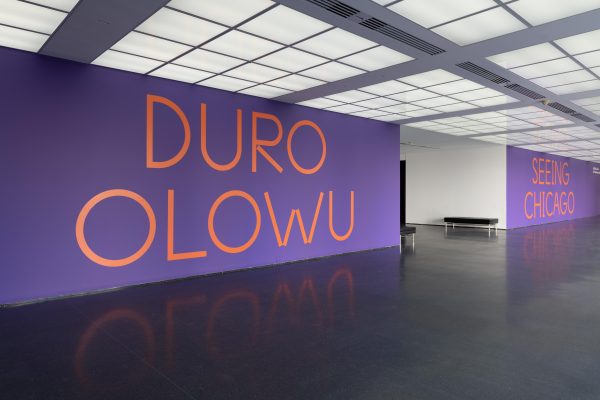
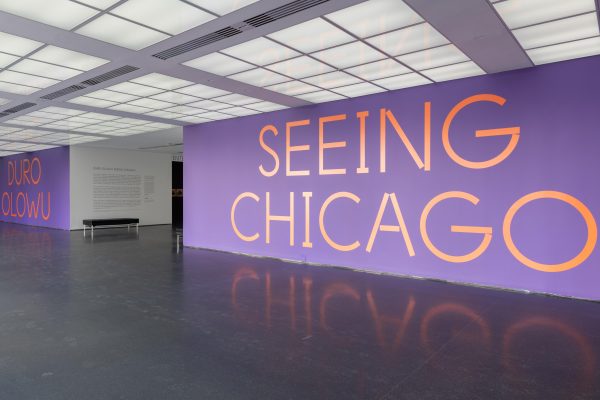
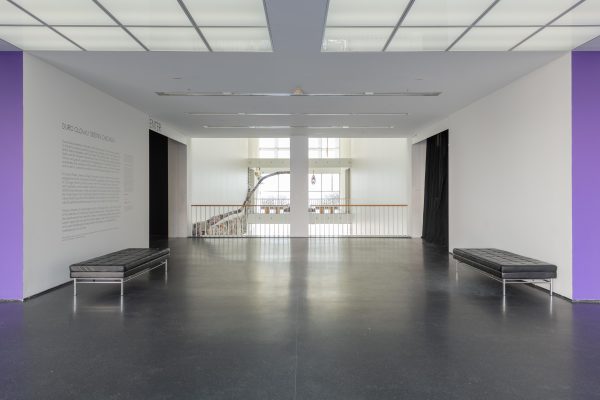
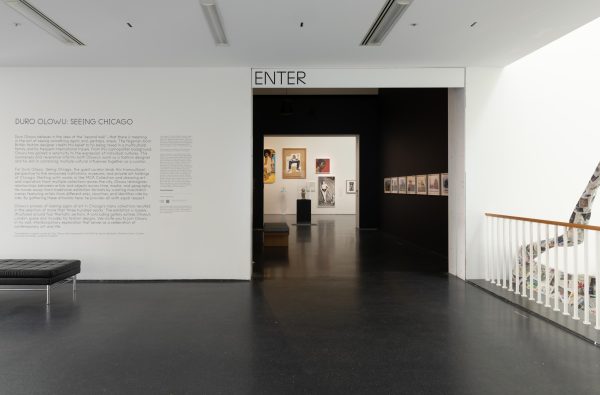
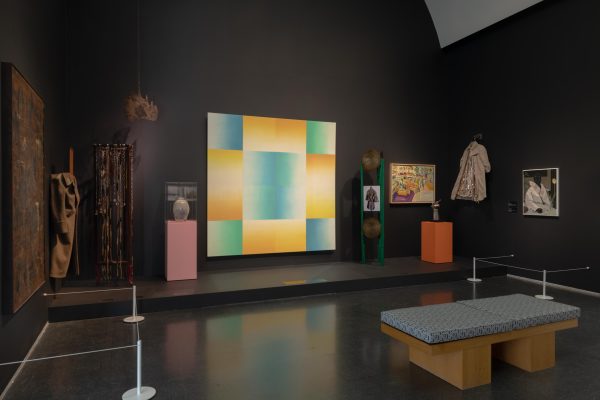
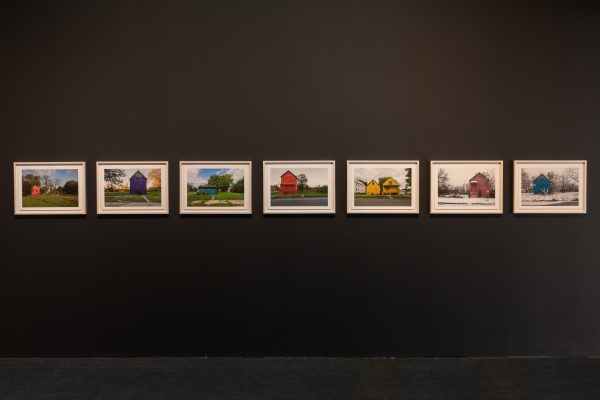
Carousel: Installation Images - Full Size Images
Introduction
Museums display art and objects for an audience, but they also create a system for that display. Similar objects are often sorted together: all works from Africa are in one section, all works from 19th-century France are in another. Rarely are objects from one region or era displayed as equals with art from another time or place. Olowu breaks down these barriers to notice the shared concerns of artists across time and geographies, moving toward an organization inspired by visual pleasure and discovery.
This first gallery shows artworks from artists with ties to the city of Chicago. It is an example, as is the rest of the show, of Olowu’s unbridled creative mixing: the artworks come from Chicago collections, but they span decades and regions. This space allows us to train our eye to take a “second look”—to see all artworks in the exhibition anew and as equals.
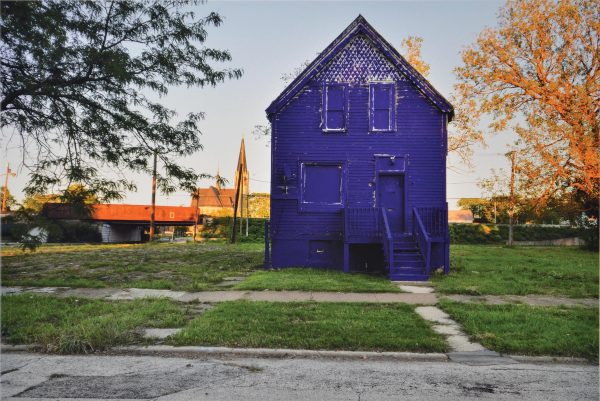
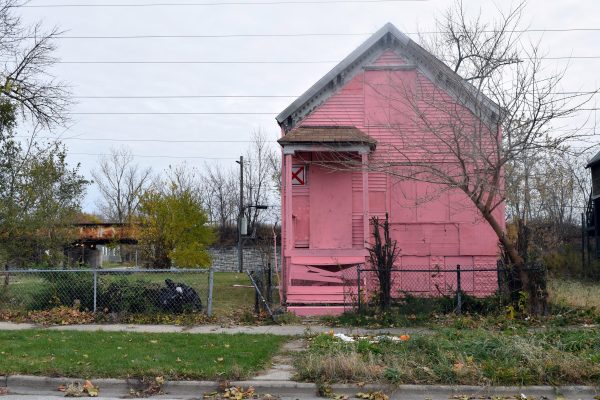
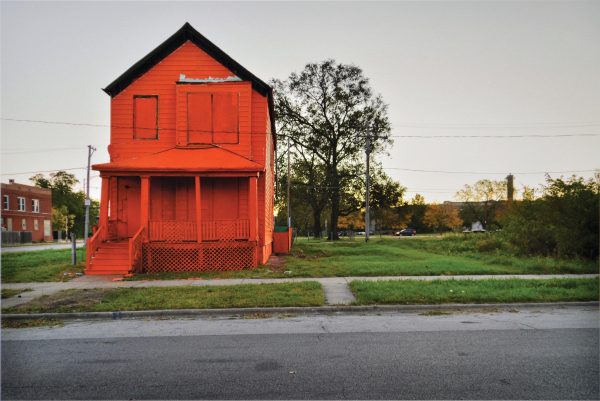
Carousel: Amanda Williams's Work - Full Size Images
Look At Me
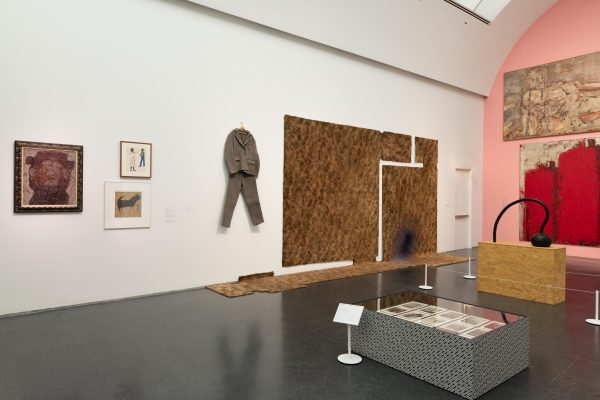
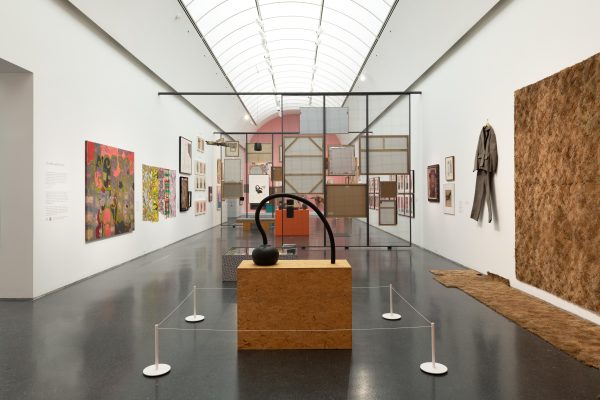
One might typically think of portraiture as focusing on the human figure, primarily in one medium, technique, or culture. Here Olowu brings together a diverse cast of subjects, styles, and artistic media. Olowu challenges the idea of what a portrait can be, refusing to dismiss artworks that don’t represent our idea of traditional portraiture. By showing photography, painting, and sculpture together, he values them all equally, doing away with notions of hierarchy.
A second look at Olowu’s arrangements rewards the viewer with new ways of seeing. In some cases, there are lines, shapes, forms, and patterns that will emerge—in others, you may notice repeated themes such as ideals of beauty across time and culture. For example, sculptures by Simone Leigh (American, b. 1968) using elements of traditional African art are set in front of black-and-white photographs: Sophie Calle’s (French, b. 1953) The Striptease and Lorraine O’Grady’s (American, b. 1983) Miscegenated Family Album, contrasting aspects of ancient Egyptian sculpture and portrayals of contemporary women.
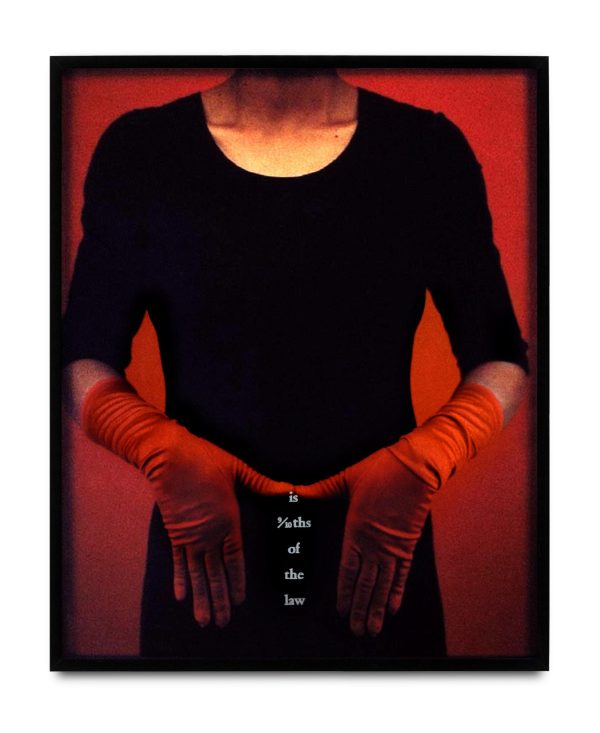
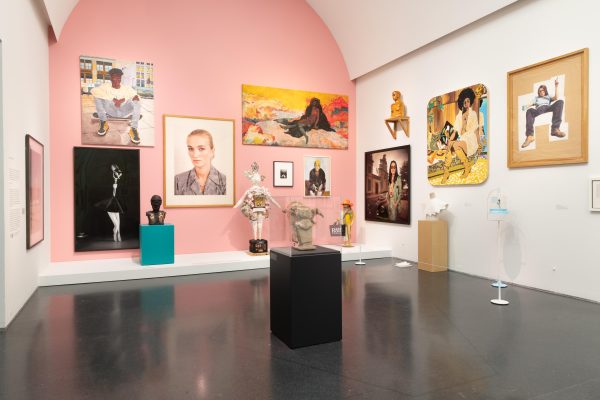
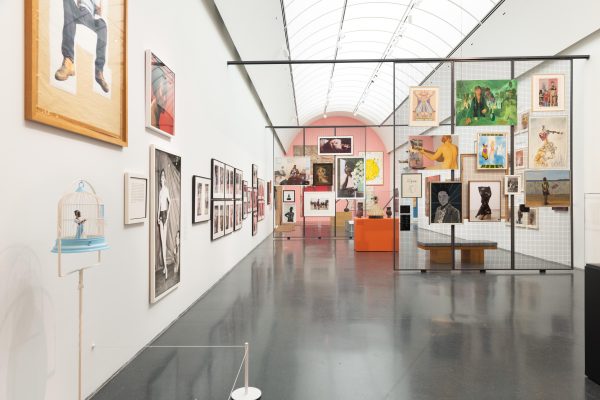
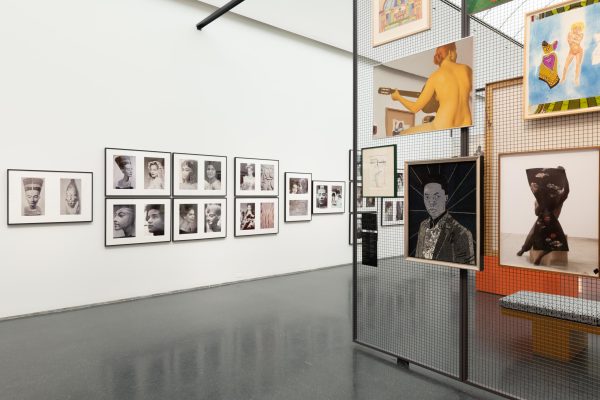
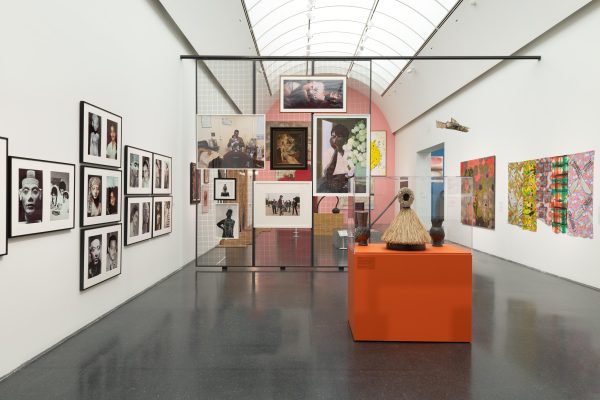
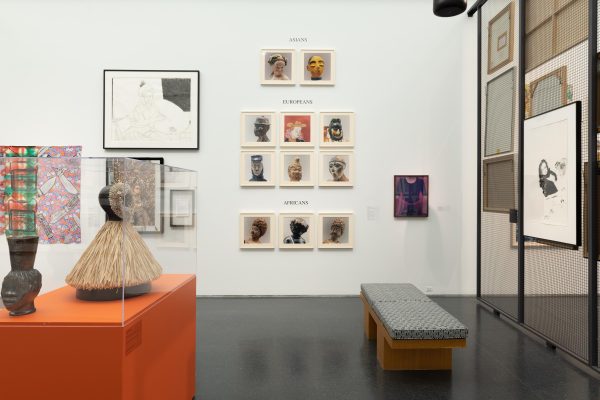
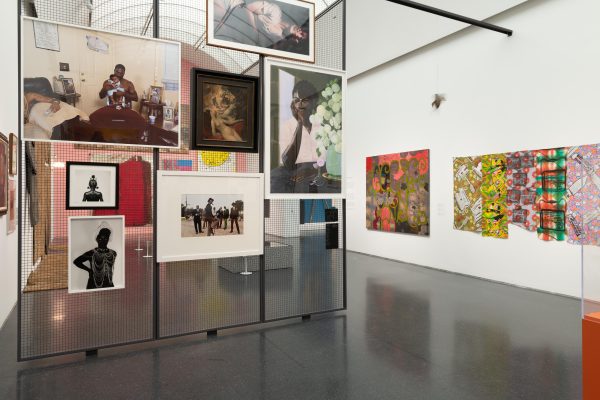
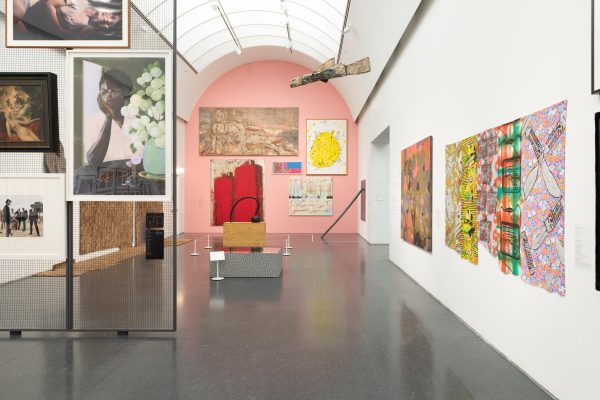
Carousel: Look at Me Installation views - Full Size Images
Toward Abstraction
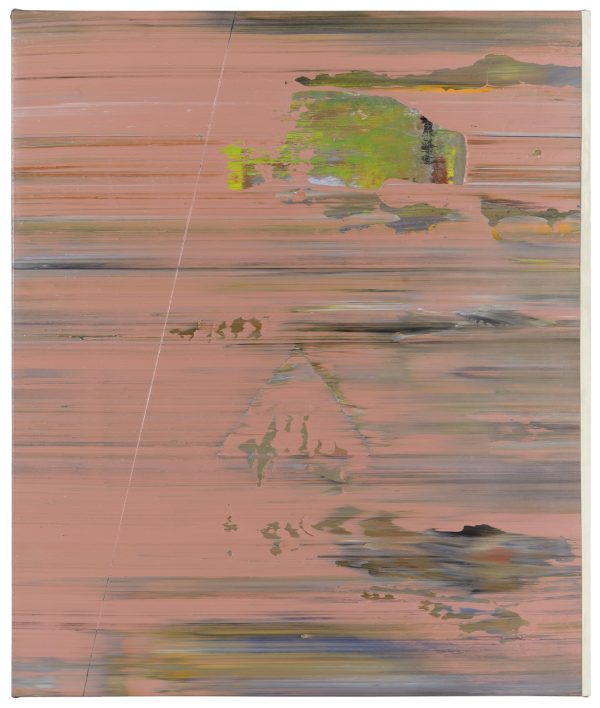
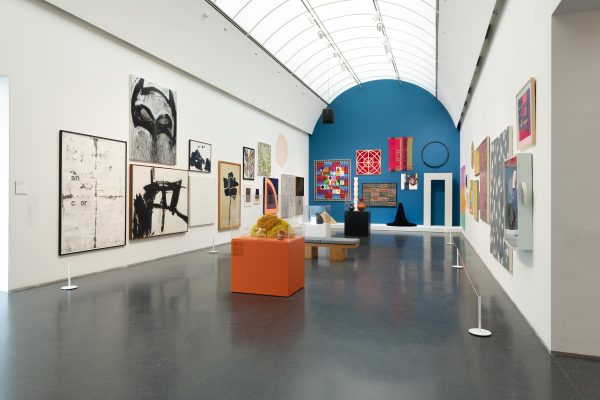
Throughout the 20th century and into the 21st, artists pushed the boundaries of realistic representation. Whether portraying people, objects, or environments, some artists elected to forgo accurate depictions of reality to focus on pure color, form, and pattern. While abstraction was often considered a Western art movement, in these galleries Olowu shows this style in art across cultures and geographies.
Olowu wants you to abandon yourself to the visual symphony of color and pattern in these rooms. While you might see recognizable subjects, like female nudes, planets, or Chicago’s Marina Towers, a further look past subject matter reveals formal qualities. These forms blur distinctions between object, craft, and art.
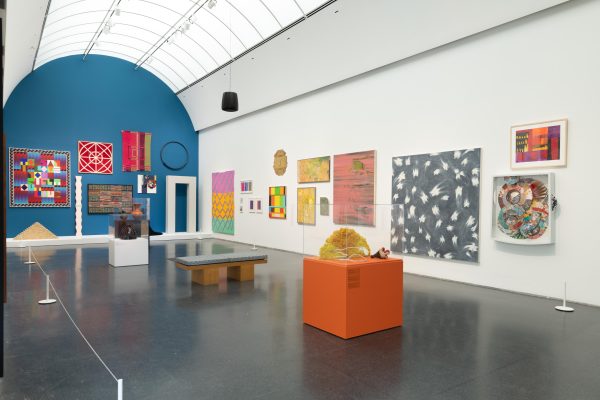
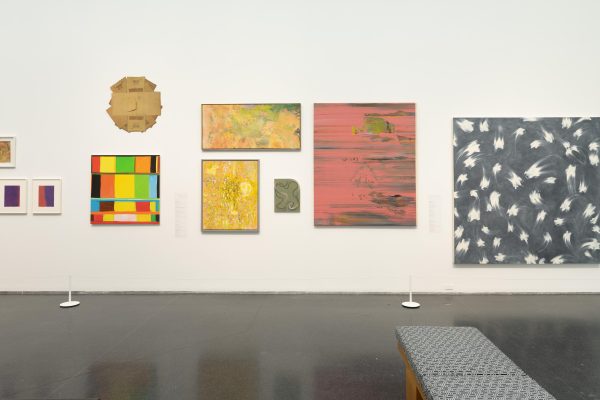
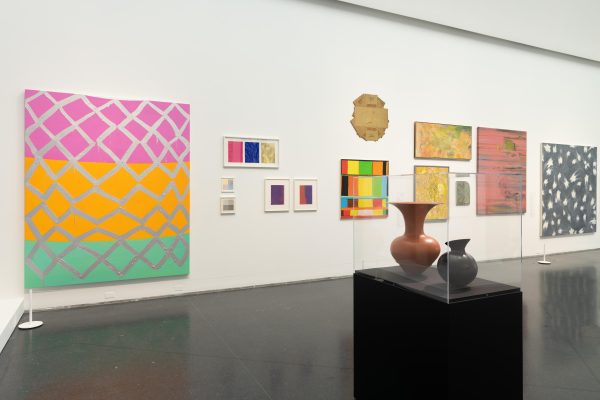
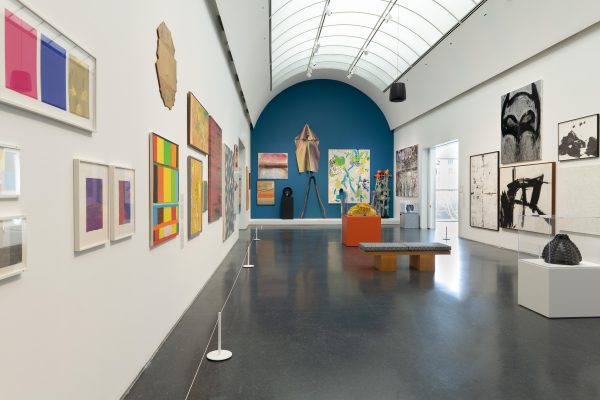
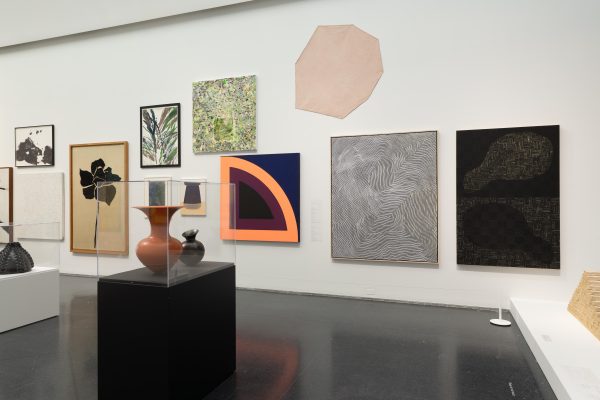
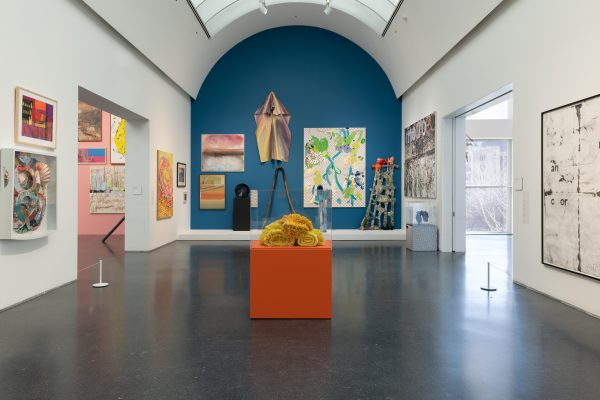
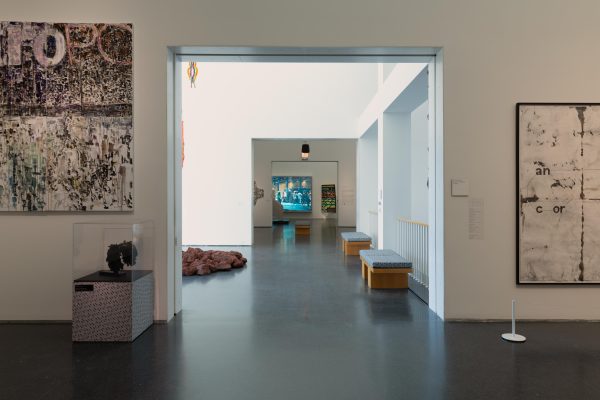
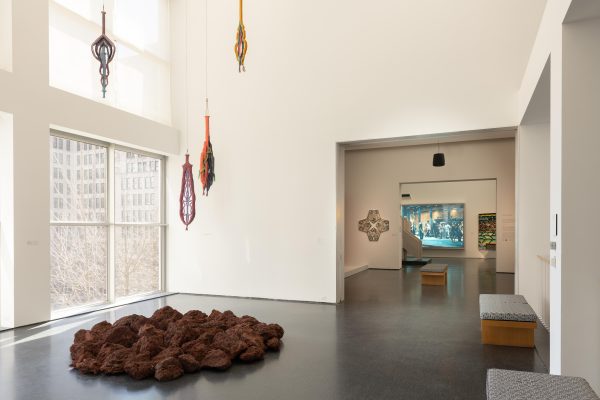
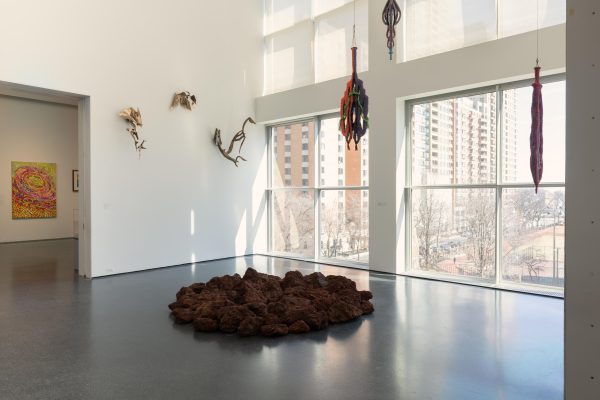
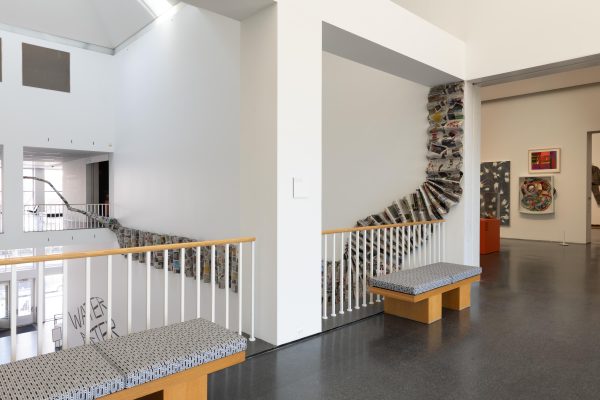
Carousel: Toward Abstraction Installation views - Full Size Images
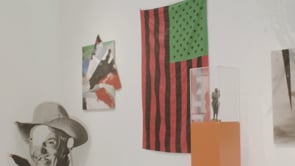
Lost In Space
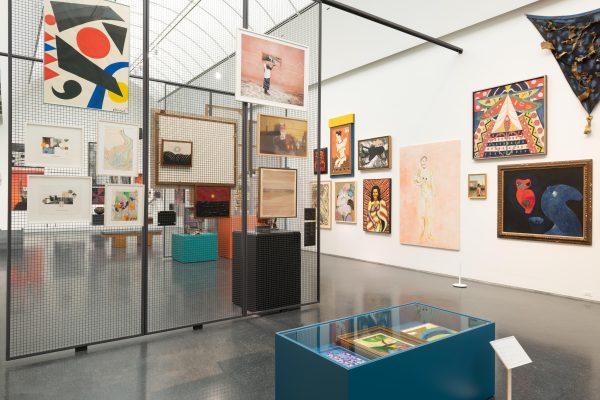
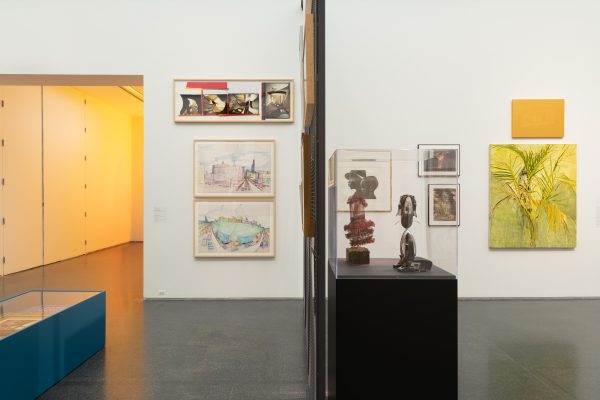
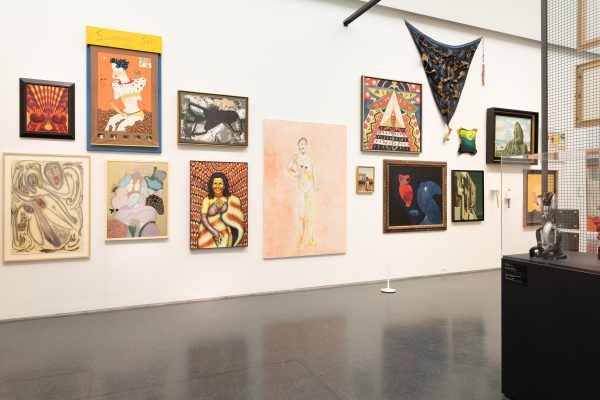
In this section, Olowu presents a selection of artists who consider how people have shaped natural landscapes into homes, communities, and cities. These artists investigate differences between interiors and exteriors, private spaces and the public domain. Additionally, Olowu continues to show how supposedly distinct cultures influence one another—from interior space to the outdoors.
Though landscapes tend to be defined by physical features such as rivers, mountains, or buildings, here the meaning of “landscape” expands into the conceptual world of emotion and attachment to place. As such, Olowu has selected works that fit into a traditional definition of landscape art in that they depict space, but he also includes work that defines the artistic landscape of Chicago. As all the artworks in this exhibition live in this city, the exhibition itself could be seen as a dynamic portrait of Chicago.
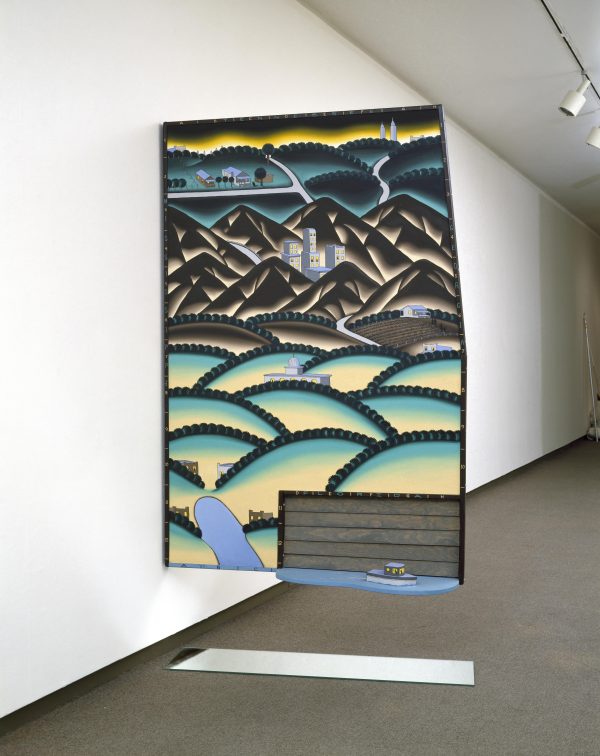
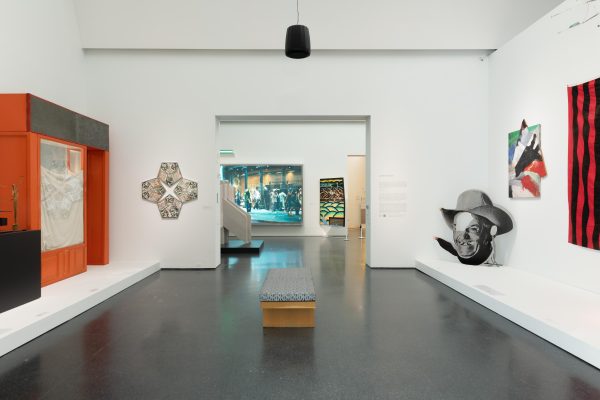
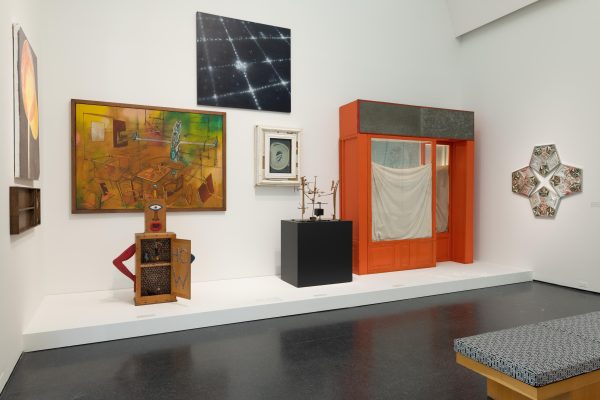
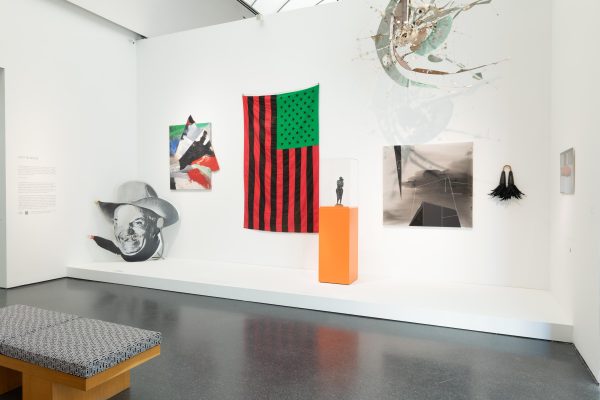
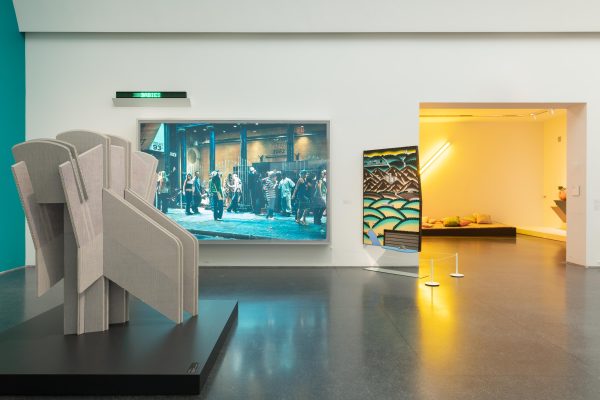
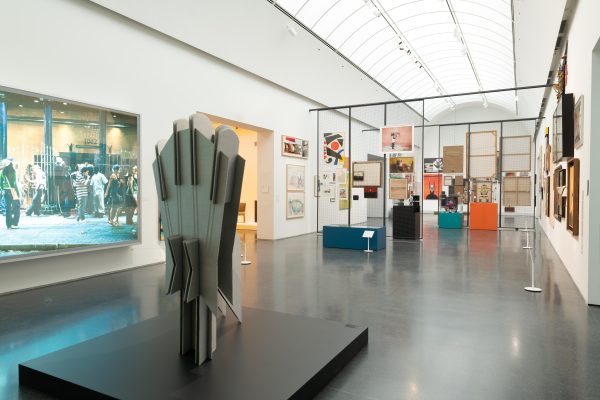
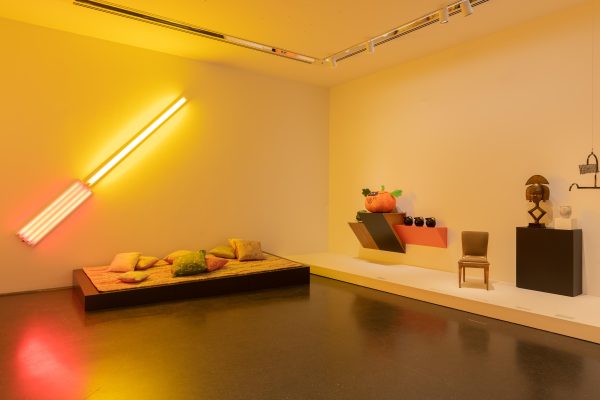
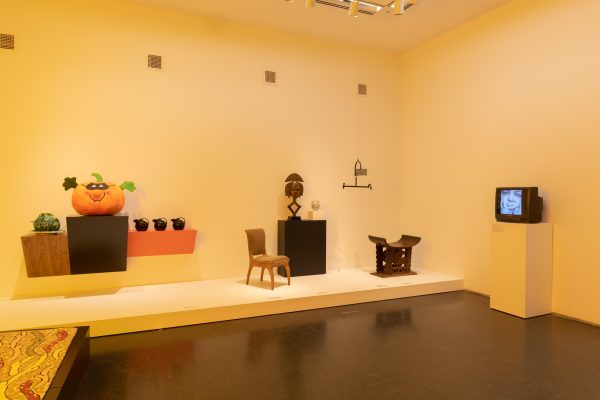
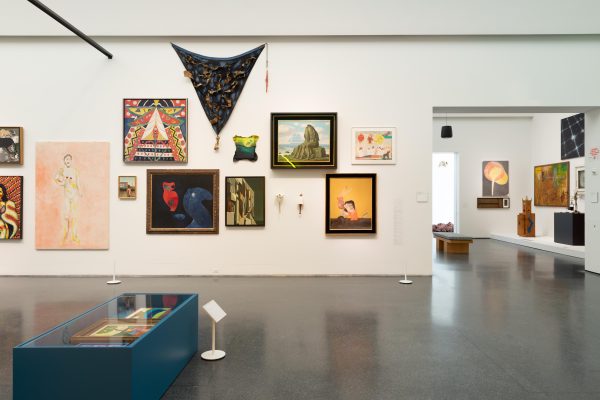
Carousel: Lost In Space Installation views - Full Size Images
Power To The People
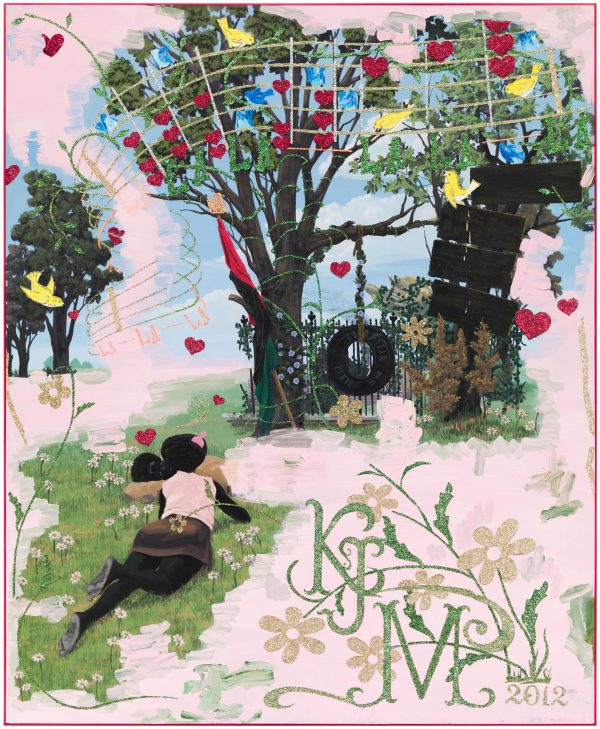
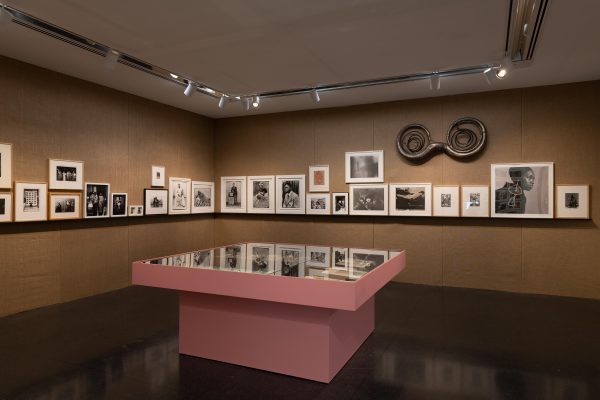
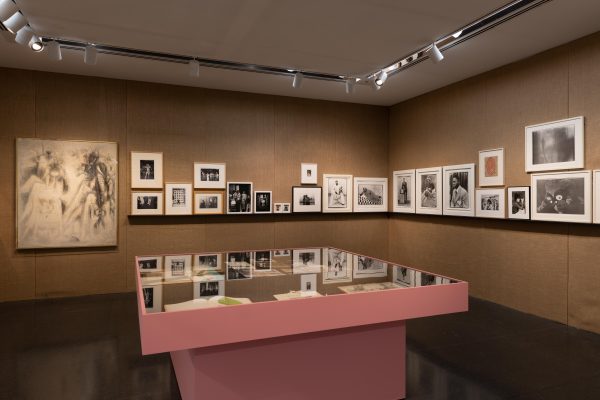
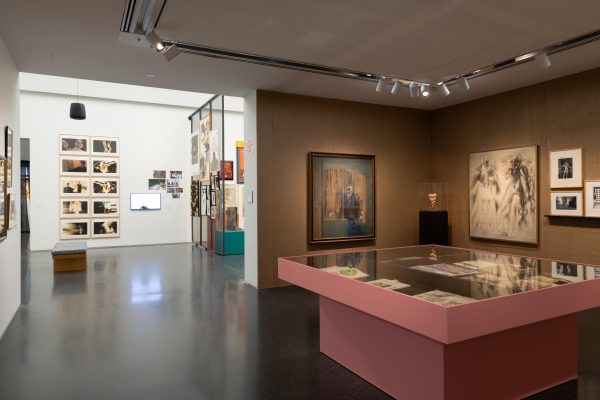
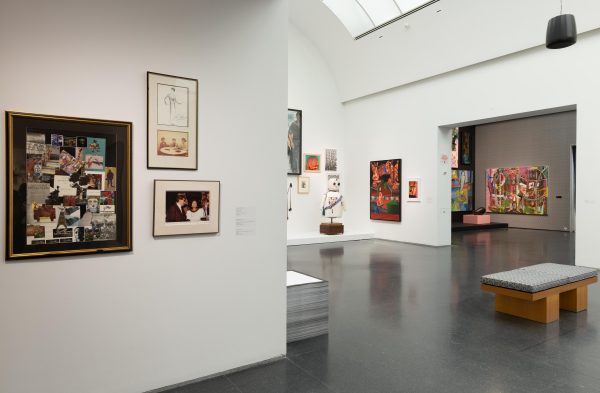
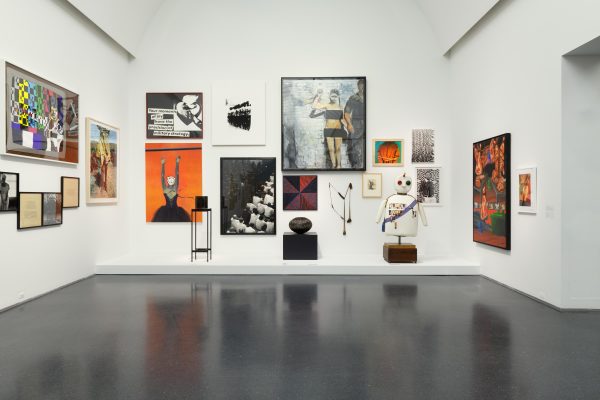
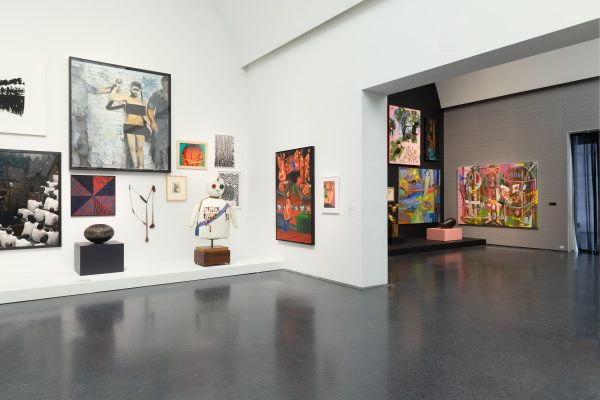
Artists primarily concern themselves with making art but time and time again have asserted themselves as citizens who engage with the social and political world. The Trophy, a painting by South African artist Marlene Dumas (b. 1953), depicts a naked female prisoner restrained by guards, highlighting aspects of misogyny and colonialism. American artist, writer, and activist David Wojnarowicz (1954–1992) sets a butcher’s shop against a background of surrealist battle sites in North/South: The New Legionnaires to offer parallels between how both war and disease ravage human bodies.
Through the selection of these artworks, Olowu highlights artists whose practices address the prevailing social and political concerns of the twentieth and twenty-first centuries. These artists engaged with topics such as the civil rights movement, the American HIV/AIDS crisis, and ongoing struggles against racism, homophobia, misogyny, and other forms of systemic oppression. Olowu brings together a range of artistic responses to these topics.
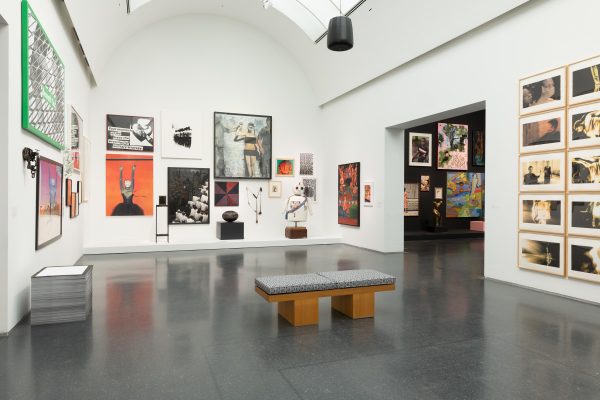
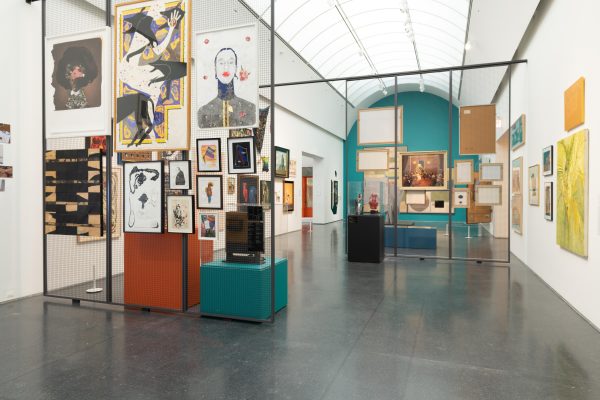
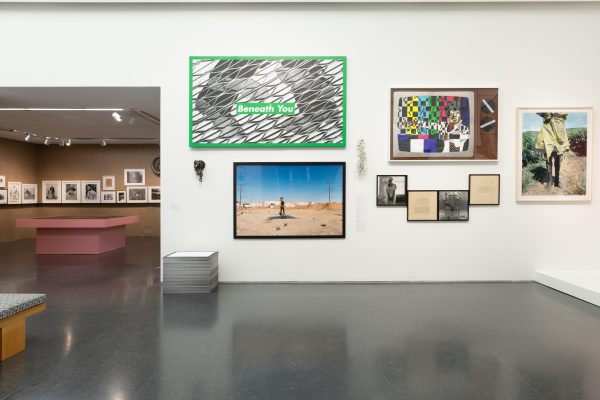
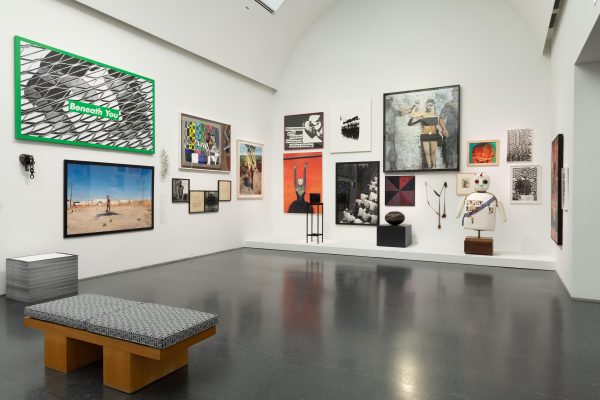
Carousel: Power to the People Installation views - Full Size Images
Second Look
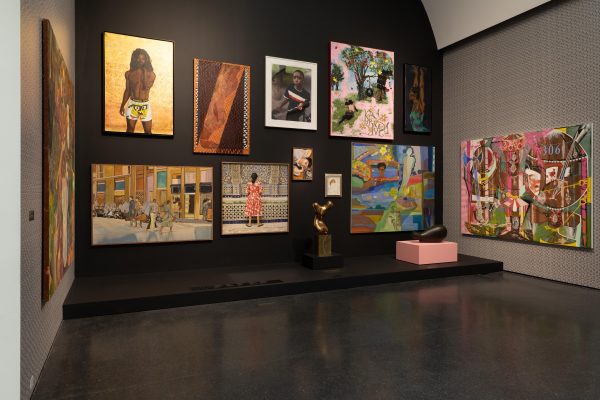
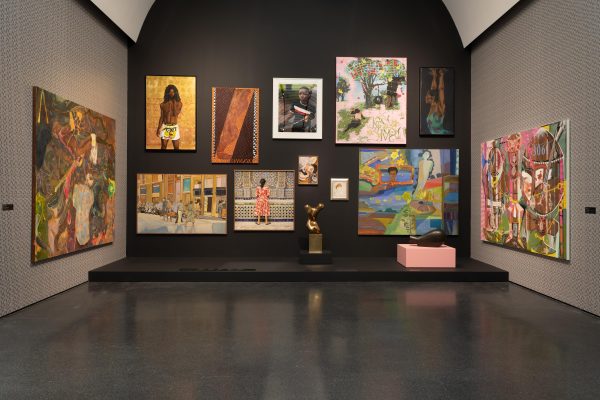
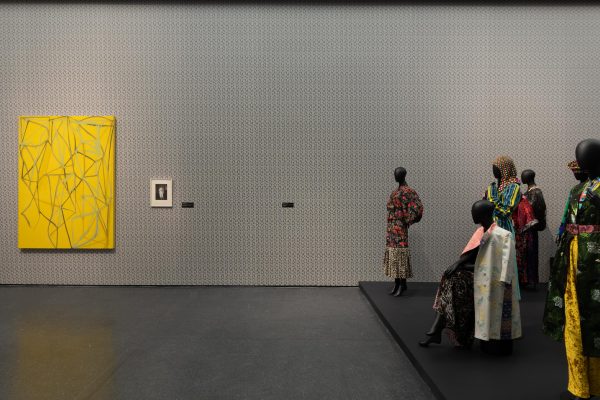
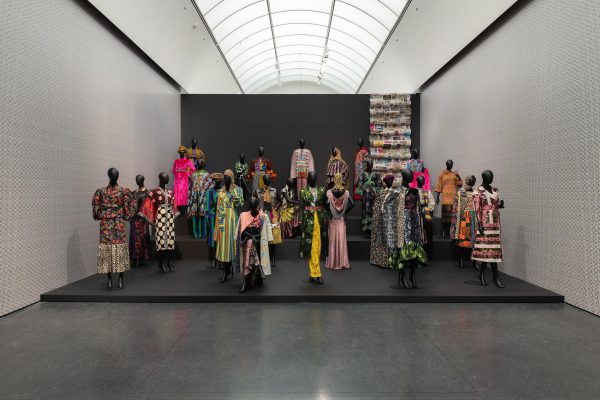
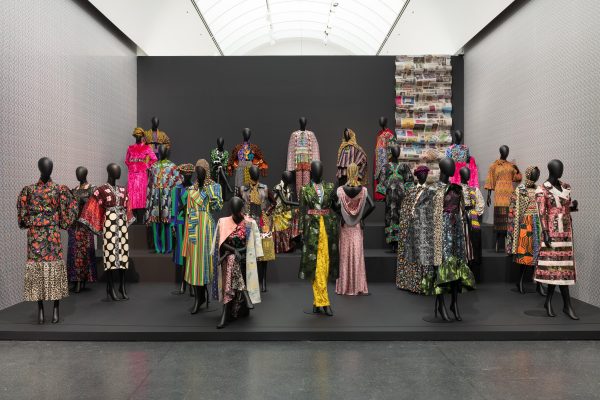
In this section, artwork and clothing are shown together in a scene reminiscent of the displays at Olowu’s fashion boutique in London, where garments are displayed alongside art, furniture, and books. This inclusive display speaks to Olowu’s ability to see relationships between all forms of creativity.
A cast of mannequins dressed in Duro Olowu garments from various past seasons become fellow museum visitors, all directing their sustained gaze in the same direction: to view a collage-like display of artworks. This final room serves as a conclusion to the exhibition, demonstrating how new ways of seeing can be carried out of the galleries and into the everyday.
Carousel: Second Look Install - Full Size Images
This exhibition experience was produced by Joan Horn and Miranda Smith. It was written by Sara Ivry.