Editorial
Create: Paper Dolls
by Lizz Ortiz with text by Grace Needlman
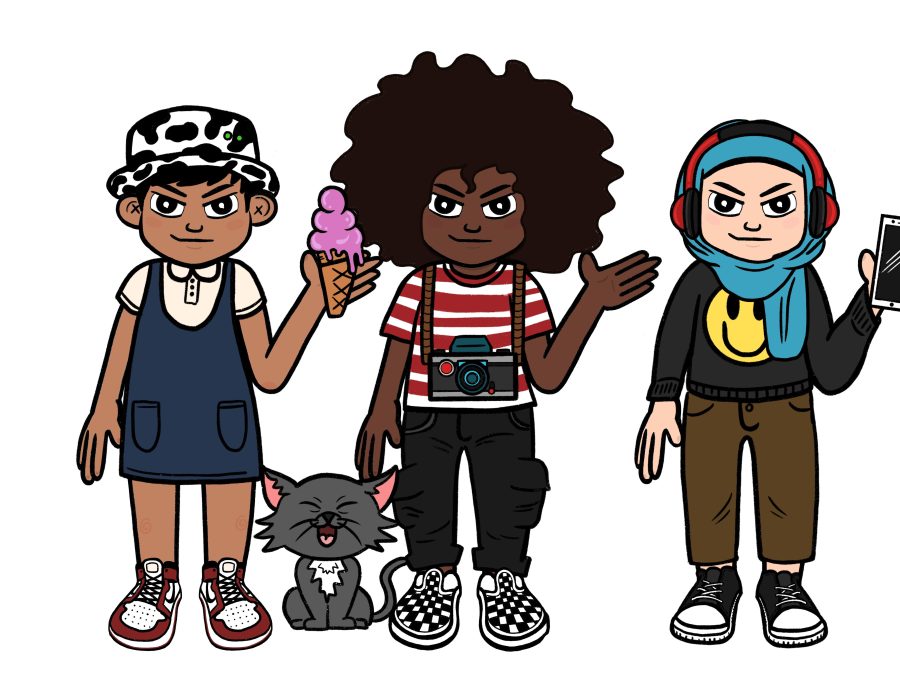
Lizz Ortiz, Paper Dolls
Image courtesy of artist
Our identities are always changing as we grow, learn, and build connections with other people. Long before Sims or Memojis, paper dolls gave people of all ages an outlet to experiment with different identities and styles. Paper dolls have been around since the early 19th century. For most of that time it was very hard to find dolls that represented people of color, non-binary people, or people with disabilities. Seeing figures that look like us in art and popular culture is important; it makes us feel included and confident enough to be our full, complicated, and ever-changing selves. Lizz Ortiz designs paper dolls that include a wide range of clothes, hairstyles, and skin tones so that people of many different identities and backgrounds know they have the freedom to explore and grow.
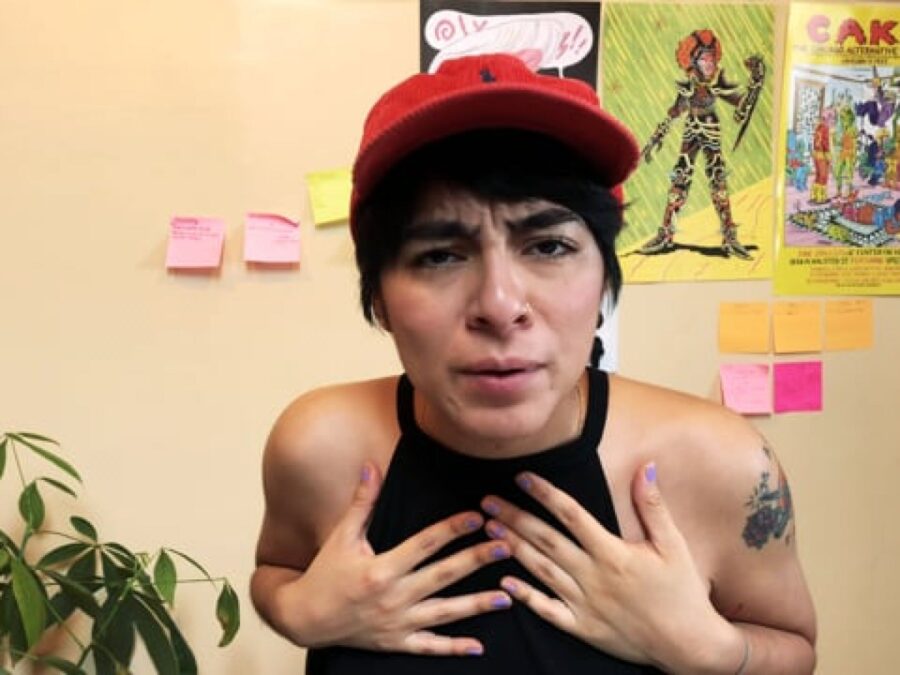
Make paper dolls that represent your ever-changing identity: Get inspired by Lizz’s process to make paper dolls. Represent what makes you, your family, and your friends special and unique.
Process
Gather your materials
- Pencil
- Colorful markers/color pencils/crayons
- Black marker/pen
- Scissors
- Glue stick (optional)
- Printer paper (3 sheets)
Make your paper dolls
- Draw the face and the body outline with a pencil. Tip: separate the arms from the body to make cutting simple
- Trace your design with a black marker.
- Color in your skin tone, hair, and anything else you want to add directly to the body.
- Put a second piece of paper on top of the first and trace the outline of your doll.
- Draw clothing on the traced outline so it fits your doll.
- Draw tabs on the edges of the clothing so you can change your doll’s look.
- Color in your clothing and accessories.
- Cut out your doll and clothing.
- Play!
Collection Connection
Curious about other artists who are making room for diverse and changing identities? Check out these artworks in the MCA Collection.
Carousel: Collection Connection - Full Size Images
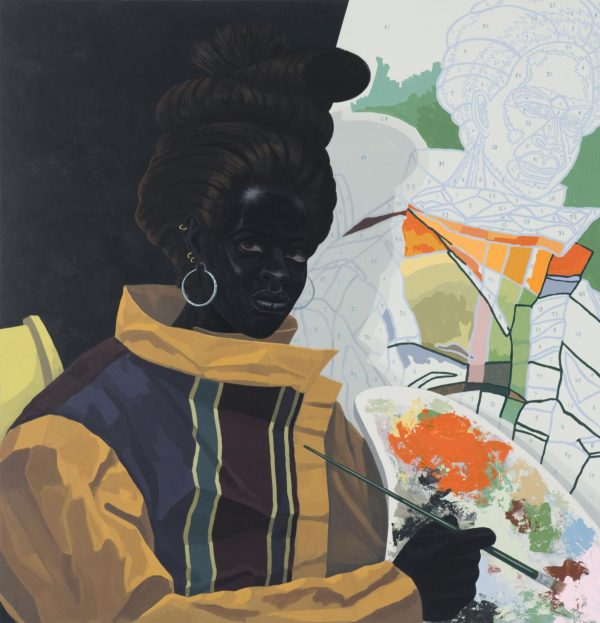
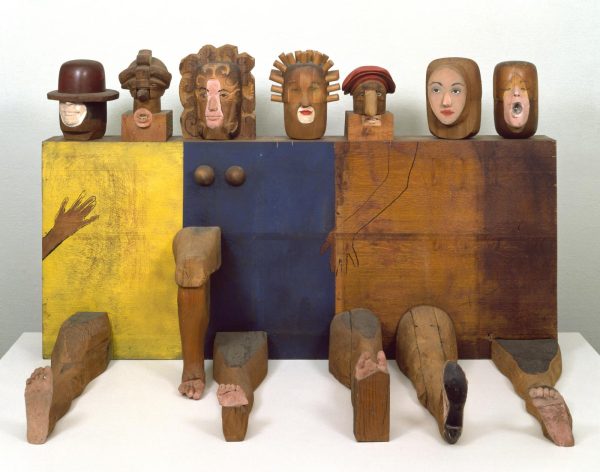
“Representation” is a word that’s used a lot in art. Sometimes it just means that an image is supposed to look like something you can recognize in the world. We can recognize people in both of these artworks, which means they represent people. Representation can also mean that one thing stands in for a whole bunch of other things, like when one person represents their community in the government. A representative or a representation is more than itself: it’s the job of the representative to speak up for the people or ideas it represents.
Take a look at Untitled (Painter): The person in the painting is painting herself. She is making a representation of herself. What do you notice about the picture she’s painting? Looking closely at the painter, how do you think she feels about painting herself? Can you think of a time when you represented yourself? How did it feel?
Take a look at Self-Portrait: Imagine all of these people represent different emotions or parts of one person. Which emotion does each head represent to you? What makes you say that?
Both Self-Portrait by Marisol Escobar and Untitled (Painter) by Kerry James Marshall explore how we represent ourselves and who gets represented in places like art museums.
Family Day: Every Body
Join Lizz for a live paper doll-making demonstration and to show off your own paper dolls during Family Day on May 9.
Related Stories
-
-
-
Articles
Art at Home: Crankie Scrolls
Art at Home is a series of simple, fun activities created by Chicago artists that you can produce with whatever materials you’ve got on hand. -
Articles
Art at Home: Recycled Balones
Art at Home is a series of simple, fun activities created by Chicago artists that you can produce with whatever materials you’ve got on hand.
About the Author
Lizz Ortiz (they/them) is a storyteller. Regardless of the medium, Ortiz’s goal is always to communicate and engage with the audience. Ortiz is interested in mental health and making healing accessible, and has worked with Nike × Virgil Abloh, Sentrock Studios, Paper Gun, and Elise Swopes. Ortiz graduated from the University of Illinois at Urbana-Champaign in May 2017 with a BS in Environmental Science.